

The rise of installment payment systems is transforming how real estate transactions occur in the Eurasian region, offering a more accessible path for buyers facing high initial costs. This shift is particularly significant as it addresses affordability obstacles that have long hindered lower-income groups from entering the property market.
Despite regulatory frameworks evolving and businesses adjusting to new market demands, experts highlight a crucial gap: consumer understanding and demand formation remain underdeveloped. Many potential homebuyers lack awareness of terms like “sustainable housing” or the long-term financial impacts of property ownership, including maintenance and utility costs.

Addressing this information gap is essential. Raising community awareness about ongoing housing challenges, evolving market conditions, and available purchasing options will lay the groundwork for stronger demand. This, in turn, helps synchronize public policies with private sector initiatives. Industry leaders often cite insufficient demand as a barrier, stemming largely from limited consumer education rather than a lack of interest.
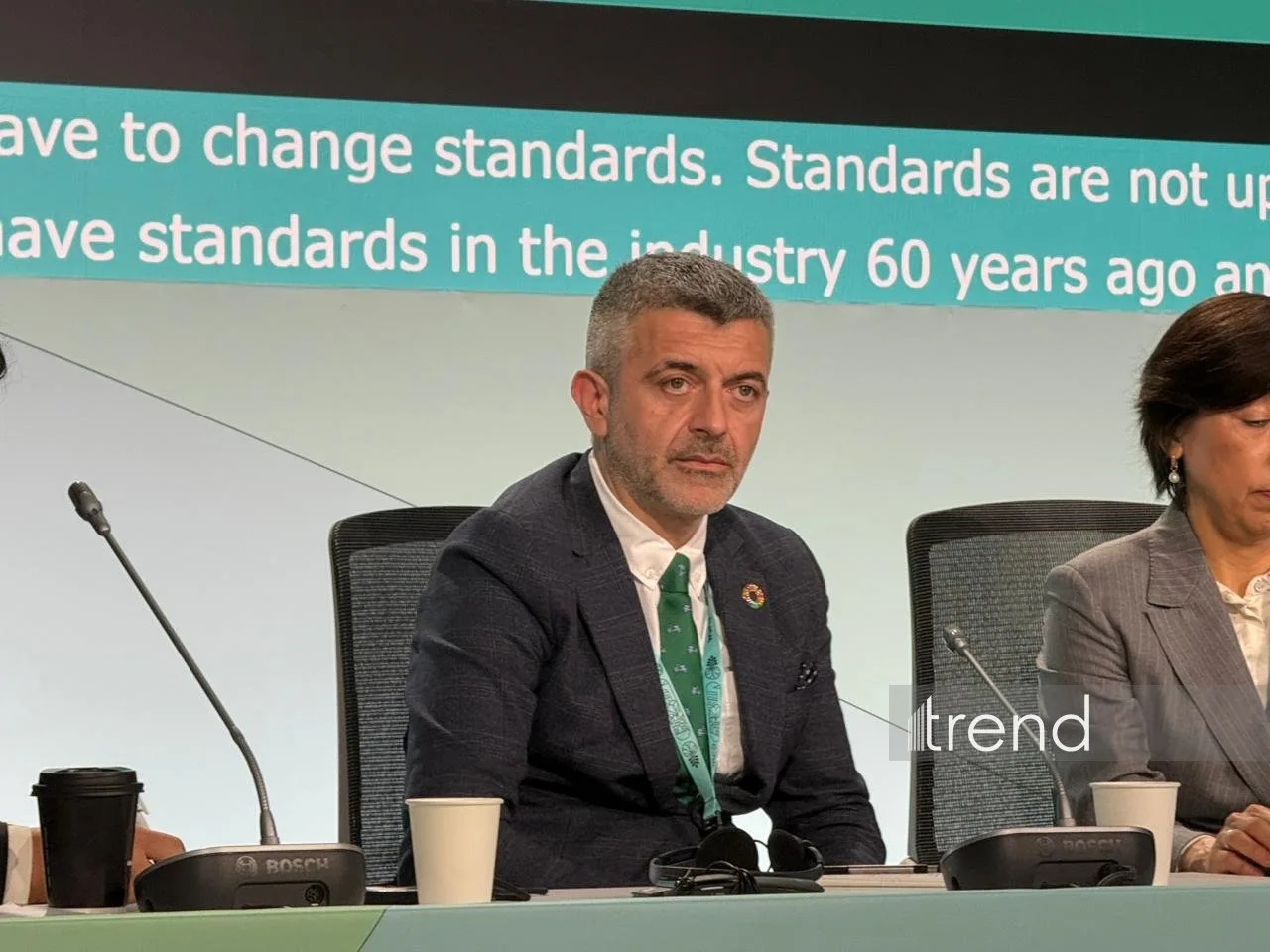
The expert underscored that as awareness of installment systems grows, policymakers are expected to increasingly consult with private businesses to develop practical frameworks supporting this trend. Such cooperation is necessary to ensure that housing solutions meet the needs of diverse social segments, balancing affordability with sustainability.
The move toward installment-based real estate purchases not only reduces upfront financial burdens but also emphasizes the importance of understanding ongoing expenses. Experts see this as a pivotal phase that will trigger broader structural changes in housing markets across Eurasia, fostering more inclusive growth in the sector.