

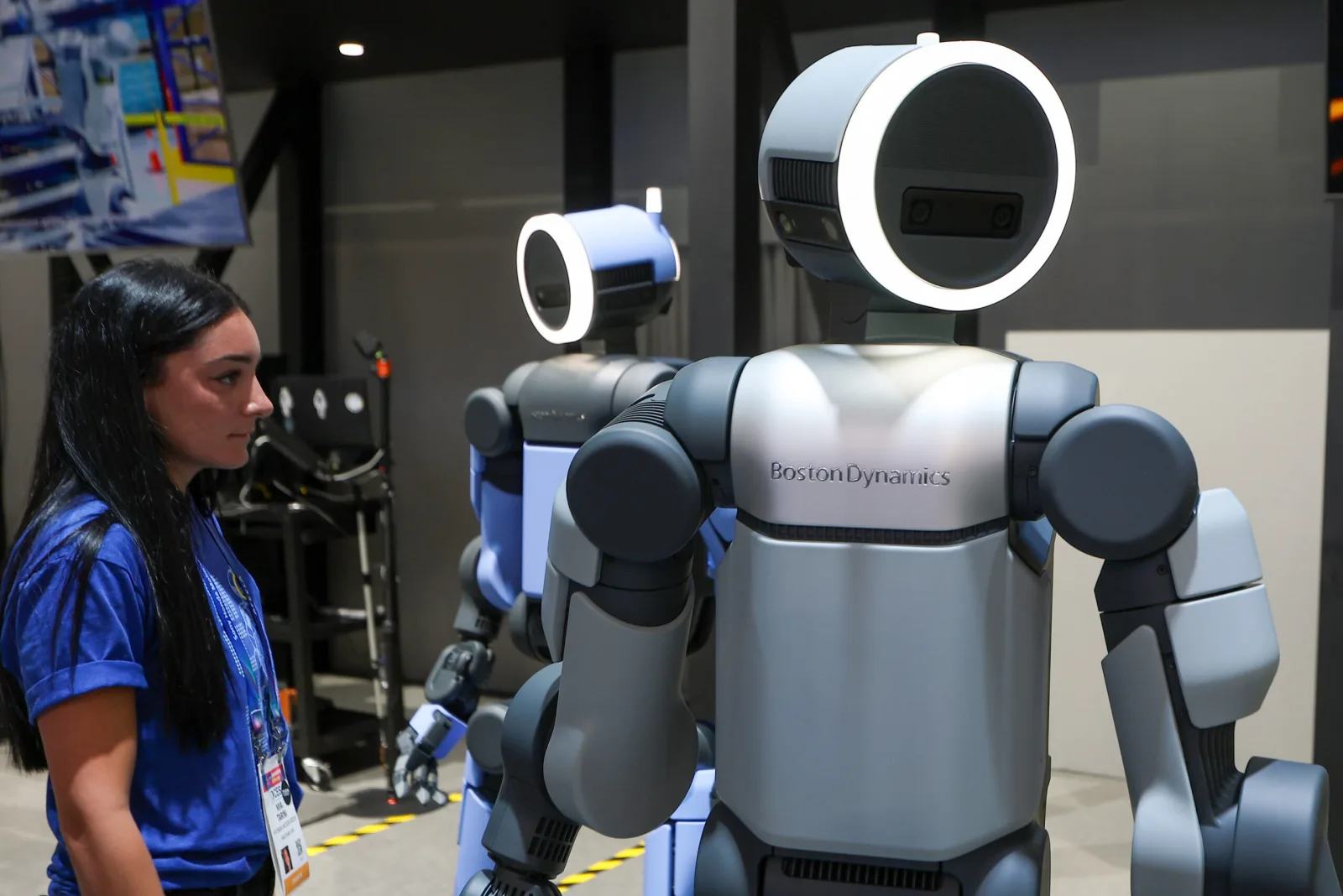
Hyundai Motor Group is ramping up its efforts to integrate physical artificial intelligence (AI) into its product lineup to maintain a competitive edge against rapidly advancing Chinese automakers. This strategic pivot comes amid a notable decline in Hyundai’s stock value, prompting the company to seek new growth avenues through technological innovation.
The South Korean manufacturer aims to enhance the intelligence embedded in its vehicles and related mobility solutions, positioning AI not merely as software but as a core component of physical products. This approach reflects a broader industry trend where automakers leverage AI to improve vehicle performance, safety, and user experience in increasingly competitive global markets.

Chinese automotive firms have accelerated their advancements in electric vehicles and AI-driven technology, pressuring traditional industry leaders like Hyundai to adapt swiftly. Hyundai’s intensified focus on physical AI involves investments in smart sensors, automated driving capabilities, and AI-powered vehicle management systems, signaling a shift to more integrated and autonomous mobility solutions.
This strategy also seeks to address investor concerns linked to Hyundai’s recent stock performance. By deepening its technological foundation and reinforcing innovation in AI-driven products, the company aims to reassure markets about its future growth potential and long-term viability amid evolving industry dynamics.
As Hyundai moves forward, the adoption of physical AI technologies will likely influence its product development priorities, potentially reshaping its offerings beyond traditional automotive models to include broader mobility services. This shift underscores the growing importance of AI in defining competitiveness and survival in the global automotive sector.