

A New York-based construction company has filed a lawsuit challenging the Trump administration’s handling of major border wall contracts in Texas. The suit accuses U.S. Customs and Border Protection of awarding nearly 73% of the contract value—totaling about $14 billion—to only two companies out of eleven prequalified bidders, sparking renewed scrutiny over the government’s procurement process.
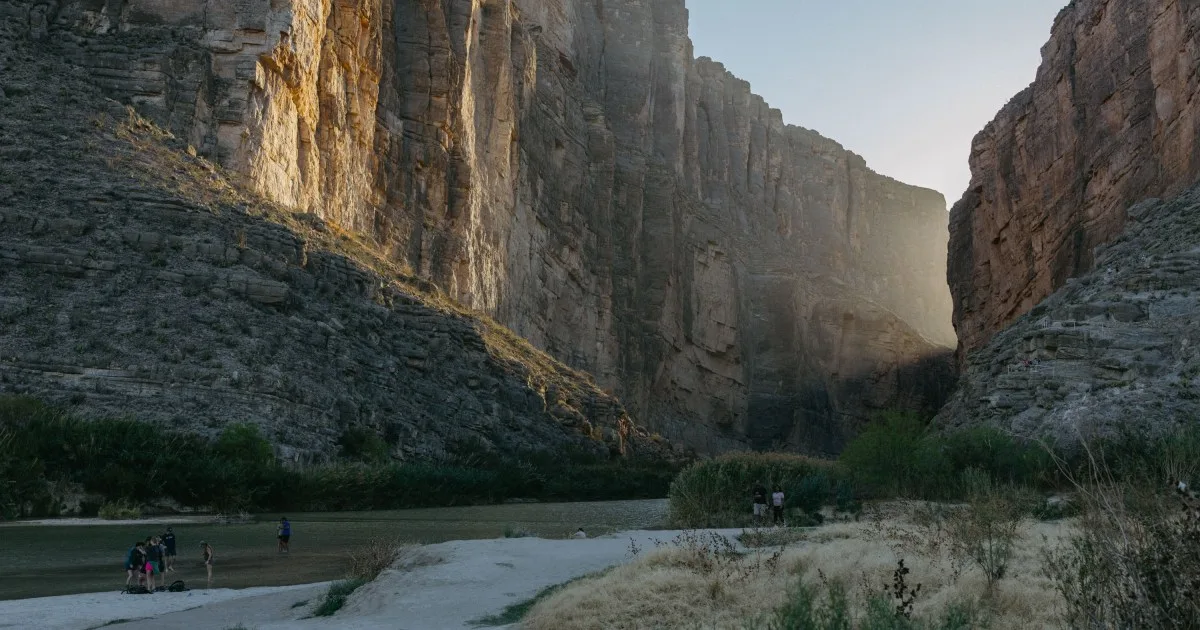
Among the largest recipients is Fisher Sand & Gravel, a North Dakota firm whose involvement has previously drawn criticism for its construction quality and ties to a conservative nonprofit that funded early border wall efforts. The company has recently secured a $1.2 billion contract to build in the Big Bend region, an area of environmental and public concern due to its proximity to a major national park. Barnard Construction, based in Montana, shares the substantial contract awards alongside Fisher’s firm, raising questions about the limited distribution of government contracts along the border.

The lawsuit filed in the Court of Federal Claims provides one of the first public insights into the controversial awarding of border wall contracts during the Trump administration. The plaintiff, Posillico Civil Inc., argues the process lacked transparency and fairness, consistent with longstanding criticism over no-bid contracts and accelerated construction approaches that bypassed standard acquisition procedures.
During the Trump presidency, border wall projects faced repeated allegations of poor construction and rushed scheduling, including reports of work proceeding before obtaining land titles, which resulted in costly delays. Investigations revealed numerous contract modifications that significantly increased project costs. Despite these issues and public concerns, funding levels for border wall construction have remained substantial, with federal agencies continuing to allocate billions for new work in Texas and elsewhere.
Residents and environmental groups have voiced opposition in regions like Big Bend, questioning the impact of construction near protected lands. Yet, the government’s procurement strategy has consistently favored a narrow group of contractors, heightening tensions over both environmental oversight and equitable business opportunities.