

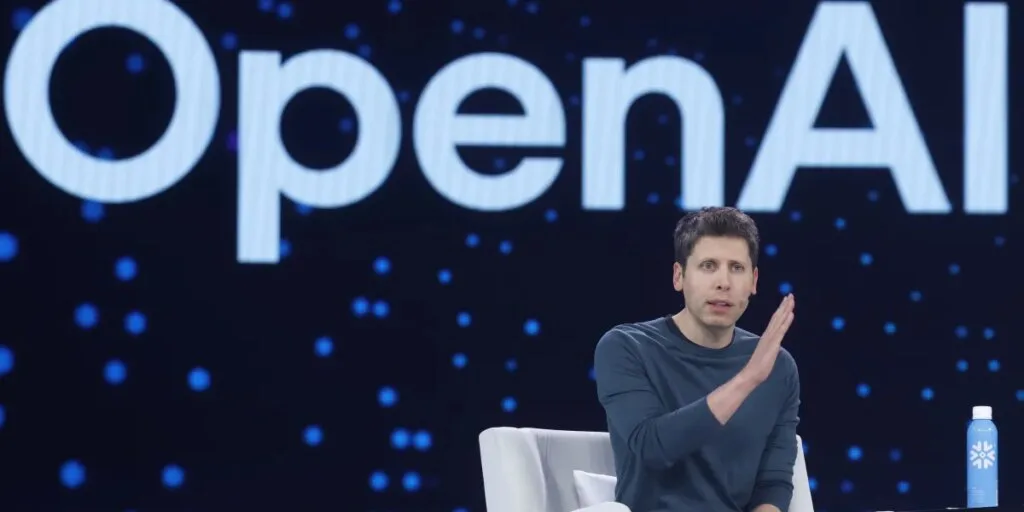
OpenAI is undertaking a significant transformation of its flagship product, ChatGPT, aiming to evolve it from a simple chatbot into a versatile “superapp” capable of handling complex, multi-step tasks. This strategic pivot is scheduled to roll out in the coming weeks and is designed to enhance OpenAI’s competitiveness as it approaches a projected initial public offering (IPO) later this year.
The company plans to redesign both its website and mobile interfaces while integrating new functionalities such as coding tools and image generation features. Additionally, OpenAI will incorporate applications developed by partners including Canva and Booking.com, expanding the ecosystem users can access through the platform.

This shift reflects a broader industry belief that AI’s future lies in autonomous agents that can perform tasks like booking travel or managing schedules, beyond simply responding to user queries. OpenAI’s software-writing tool, Codex, has already demonstrated strong growth, with its active user base swelling sixfold to over 5 million weekly users since launch. Business customers now contribute to approximately 40% of the company’s revenue, a share expected to increase to 50% before the year ends.
In preparation for this major repositioning, OpenAI has paused some consumer-focused projects, including a recently launched video-generation product, to concentrate resources on the superapp development. This strategic focus aligns with industry reports that confirm plans to merge Codex and ChatGPT functionalities into a unified platform, aiming to deliver an all-encompassing AI assistant experience.