

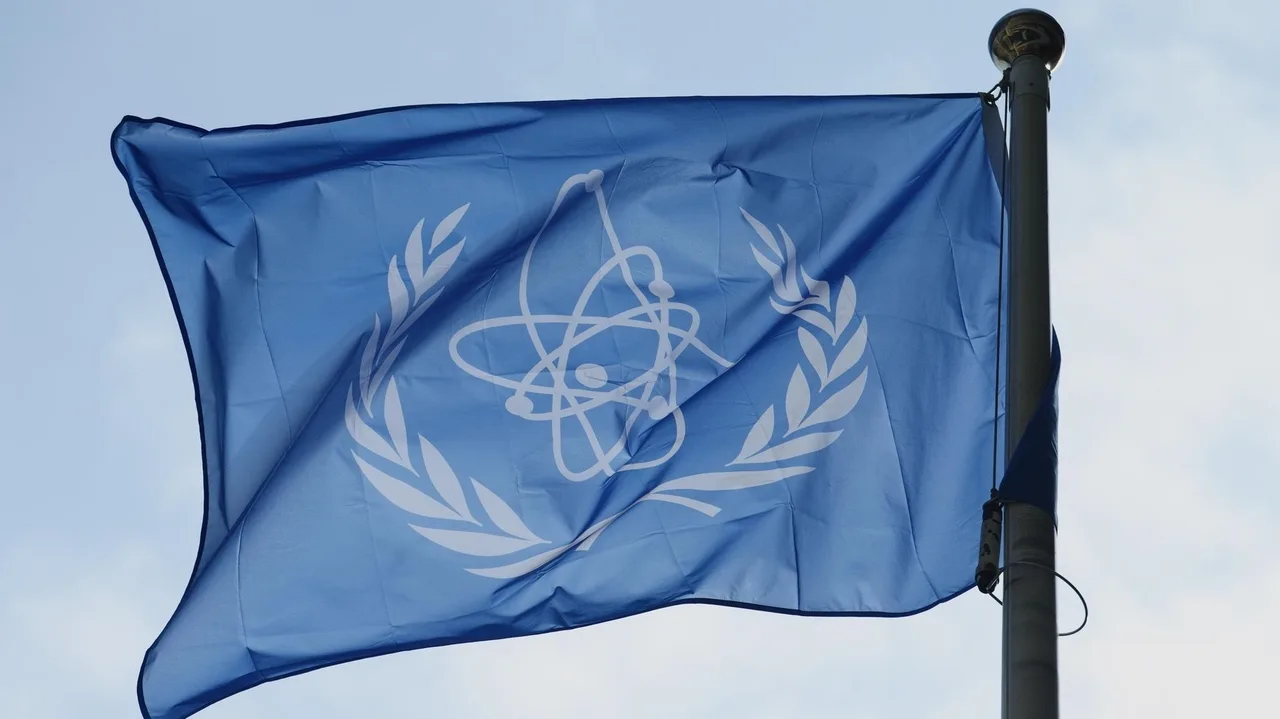
The Board of Governors of the International Atomic Energy Agency (IAEA) formally reported Iran to the United Nations Security Council, marking the first referral in two decades. The move stems from Iran’s persistent reluctance to cooperate fully with the agency’s investigation into its nuclear activities.
This unprecedented decision reflects mounting concerns about Tehran’s lack of transparency and access granted to inspectors assessing suspicious nuclear materials and facilities. The IAEA has long sought answers regarding undeclared nuclear sites and the possible presence of nuclear weapons-related experiments.

The referral to the Security Council signals a significant escalation in international efforts to enforce compliance with Iran’s obligations under the Nuclear Non-Proliferation Treaty (NPT). The Security Council, tasked with maintaining global peace and security, may now consider diplomatic or punitive measures in response to Iran’s non-cooperation.
According to the IAEA report, Iran has denied inspectors sufficient access and delayed information crucial for clarifying unresolved nuclear activities. This has stalled the agency’s ability to verify the exclusively peaceful nature of Iran’s nuclear program, fueling suspicions about potential violations.
The decision to bring the issue before the Security Council ends a lengthy process during which the IAEA had repeatedly urged Iran to engage constructively. In past years, the agency’s findings have been subject to intense political debate, but this formal referral underscores the severity of the current impasse.
While the IAEA monitors nuclear programs worldwide to prevent proliferation, referrals to the Security Council are infrequent and typically reserved for cases signaling threats to international stability. This makes the board’s action a critical diplomatic moment with far-reaching implications for regional security and non-proliferation efforts.