

Diplomatic efforts between the United States and Iran have advanced, with both sides engaging in more professional and productive negotiations aimed at ending ongoing hostilities and reopening the strategic Strait of Hormuz. Despite remaining details under wraps, officials indicate the deal is nearing finalization following weeks of discussions.
The agreement includes a critical concession from Iran, which has reportedly consented to surrender its stockpile of highly enriched uranium. This move addresses one of the US’s central objectives: eliminating the threat of an Iranian nuclear weapon. However, how Iran will transfer or dispose of its uranium remains subject to further negotiation, expected to continue over the next two months.

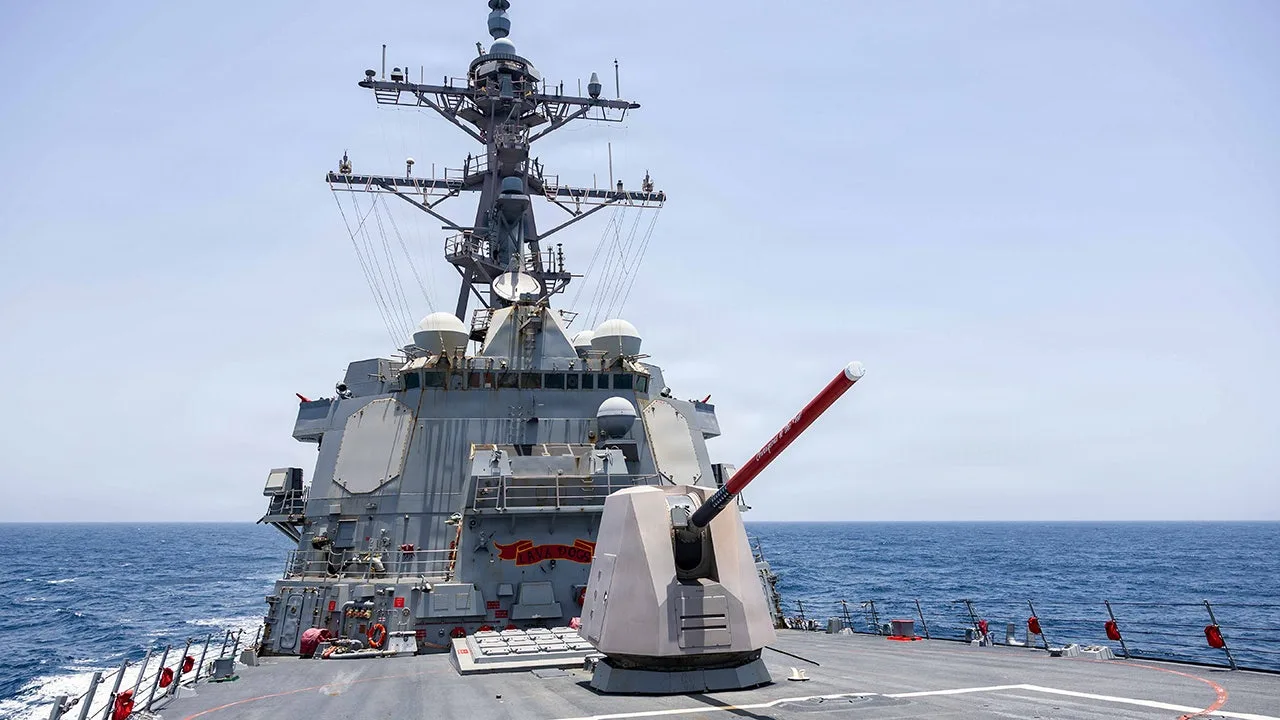
Over the weekend, the US administration cautioned against rushing the agreement amid Memorial Day observations, emphasizing a measured approach toward securing lasting peace. The presence of the USS Rafael Peralta, an Arleigh Burke-class guided-missile destroyer, continues to enforce a maritime blockade in the Arabian Sea, underscoring the tension that remains despite diplomatic progress.
Global markets responded positively to updates on the peace talks, with shares rising and oil prices dropping sharply in reaction to the prospect of reduced regional conflict. Secretary of State Marco Rubio highlighted the significance of the negotiations in aiming to create a world where fears over Iran’s nuclear ambitions are resolved.
While the full terms of the deal remain confidential, the ongoing dialogue reflects a shift toward de-escalation and potential reopening of critical trade routes blocked by the conflict. Observers await formal announcements as negotiators work through the complexities surrounding enforcement and verification of the terms agreed upon.