

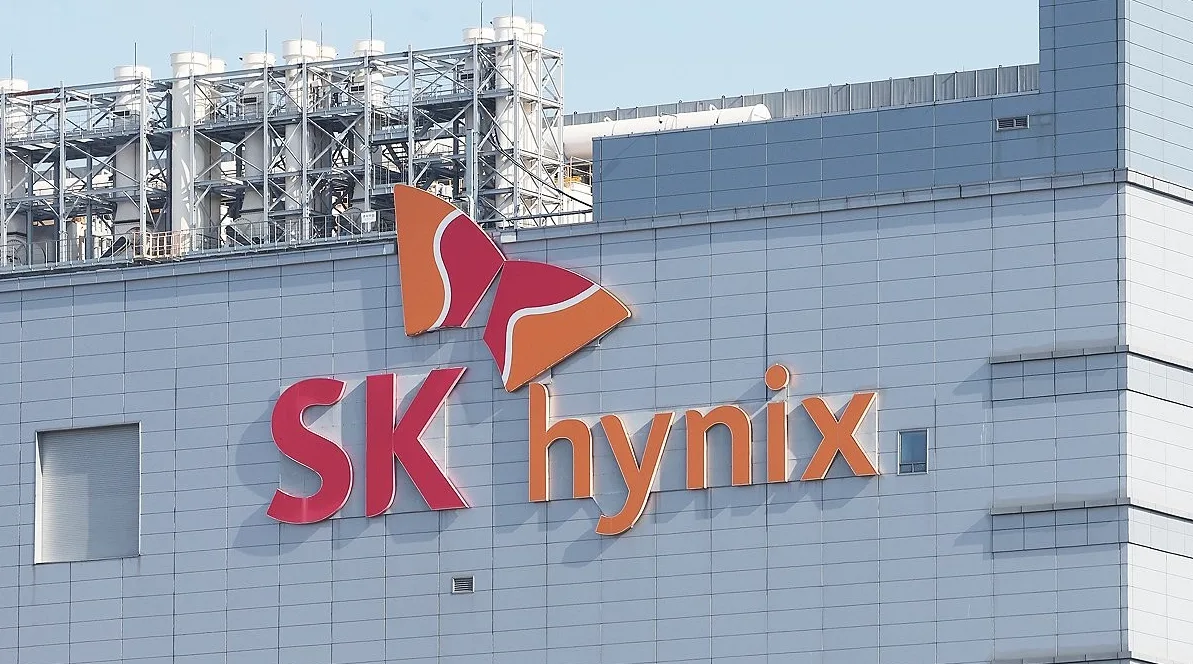
SK hynix Inc., a leading South Korean memory chipmaker and key competitor to Samsung Electronics and Micron Technology, announced it will raise approximately $28 billion by selling nearly 17.8 million American depository receipts (ADRs) in a U.S. initial public offering scheduled for later this week. The shares are set to price on Thursday with trading commencing the following day.
The IPO offers U.S. investors a more direct way to invest in SK hynix without needing to access foreign exchange platforms, as each ADR corresponds to one-tenth of a common share. This move follows a period of substantial growth for SK hynix, whose first-quarter sales nearly tripled year-over-year, driven by the explosion of demand for memory chips that power artificial intelligence systems globally.

The chipmaker’s surge reflects the broader industry trend where hyperscale data centers and cloud service providers rapidly expand AI infrastructure, pushing the need for high-bandwidth memory (HBM), dynamic random-access memory (DRAM), and NAND flash chips to new heights. The market currently experiences a significant supply shortage, sometimes referred to as "RAMageddon," which has also led to increased prices for consumer electronics reliant on these components.
Until now, U.S. investors seeking exposure to SK hynix largely had to invest indirectly through funds like the Roundhill Memory ETF, which aggregates investments in various Korean and American memory chip stocks. Launched recently, this ETF quickly became the fastest to reach over $20 billion in assets.
Despite the optimism, SK hynix’s stock saw a slight decline in Korean trading following the IPO announcement due to concerns about share dilution. However, chipmakers generally recorded gains once U.S. markets opened. In response to the demand surge, SK hynix, alongside Samsung, committed over $550 million toward expanding production facilities. Industry analysts caution that ramping up manufacturing carries risks, citing the rapidly evolving memory needs of AI systems that could outpace current capacity plans by the time new plants become operational.