

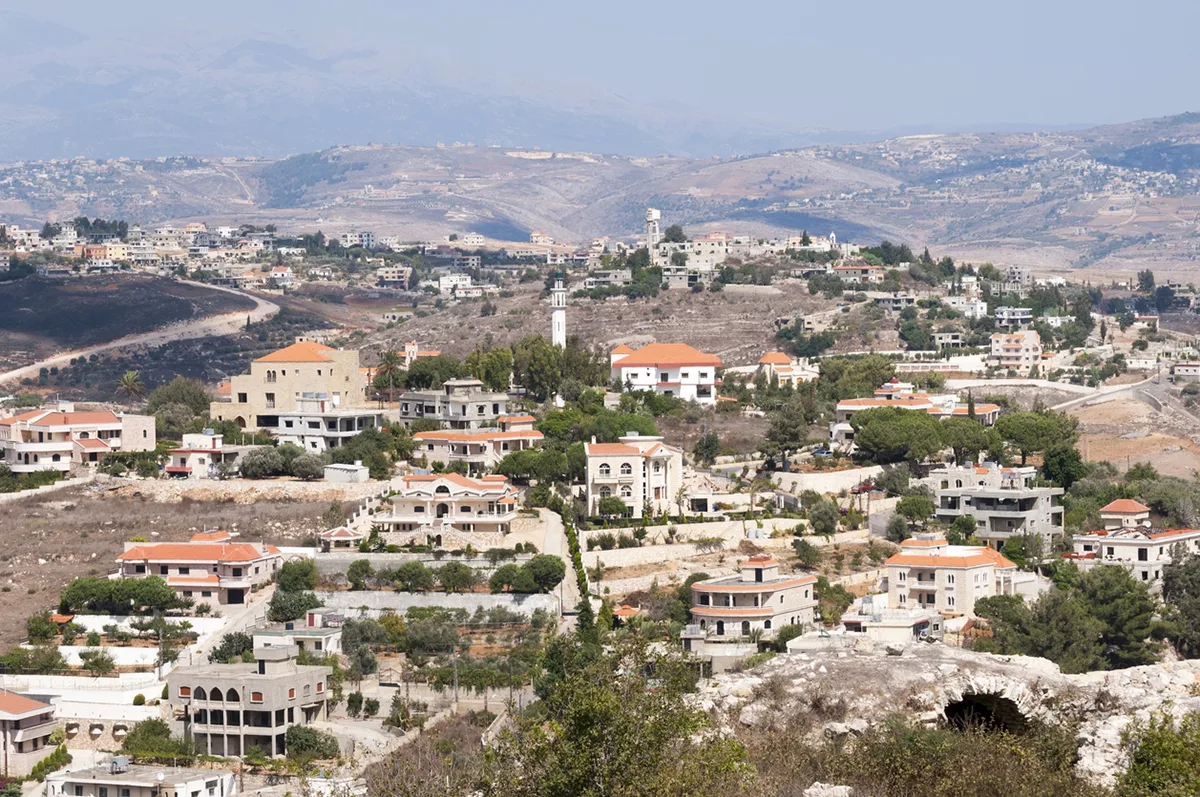
Prime Minister Benjamin Netanyahu asserted that certain Christian villages in southern Lebanon have asked Israel for protection from Hezbollah and, in some cases, expressed a desire to be annexed by Israel. Speaking in an interview with Fox News, Netanyahu said Israel protects these communities from what he described as Hezbollah "fanatics" but did not specify which villages or when such requests occurred.
Netanyahu expanded his statement by mentioning that this appeal for protection is not limited to Christians; he also cited Druze, Sunni Muslims, and some Shiite Muslims who want to see Lebanon freed from Hezbollah’s influence. The prime minister expressed hope for more peace agreements in the region.

However, the mayor of Rmeish, a Christian village near the Israeli border, categorically denied Netanyahu’s claims. Rmeish is one of the villages closest to the frontier and has a history of standing against Hezbollah’s attempts to establish footholds in the area. This group of Christian villages often finds itself between the Israeli Defense Forces (IDF) and Hezbollah in southern Lebanon, a region predominantly populated by Shiite communities.
The IDF continues to operate in southern Lebanon, targeting Hezbollah forces while claiming to protect local civilians, especially Christian communities who are caught in the crossfire. Some villages, including Rmeish, received permission not to evacuate during military operations, in contrast to many Shiite villages that were ordered to leave due to increased hostilities.
Despite Israel’s declared friendly stance toward southern Lebanese Christians, tensions remain. Incidents involving the desecration of a church and a statue of Jesus by IDF soldiers sparked condemnation locally and internationally, complicating relations with these communities.
Earlier this year, Israeli forces communicated with villagers, describing them as “friends and family” and requesting they avoid evacuation unless Hezbollah militants hid among them. The military warned that if Hezbollah elements were present, strikes would follow, and civilians would need to leave, placing responsibility on local residents to ensure their own safety.
In a rare instance of direct communication, evacuated Christian residents left a letter for Israeli soldiers thanking them for purported efforts to remove Hezbollah presence. The letter appealed for continued protection amid ongoing conflict, illustrating the precarious position of southern Lebanese Christians caught between Hezbollah and the Israeli military activities.