

SpaceX has filed with the Securities and Exchange Commission to launch an initial public offering (IPO), seeking to raise $75 billion and bring the company’s market value close to $1.75 trillion. This move positions SpaceX among the world’s most valuable companies and sets the stage for a historic milestone, potentially making Elon Musk the first individual valued at over a trillion dollars through equity stakes.
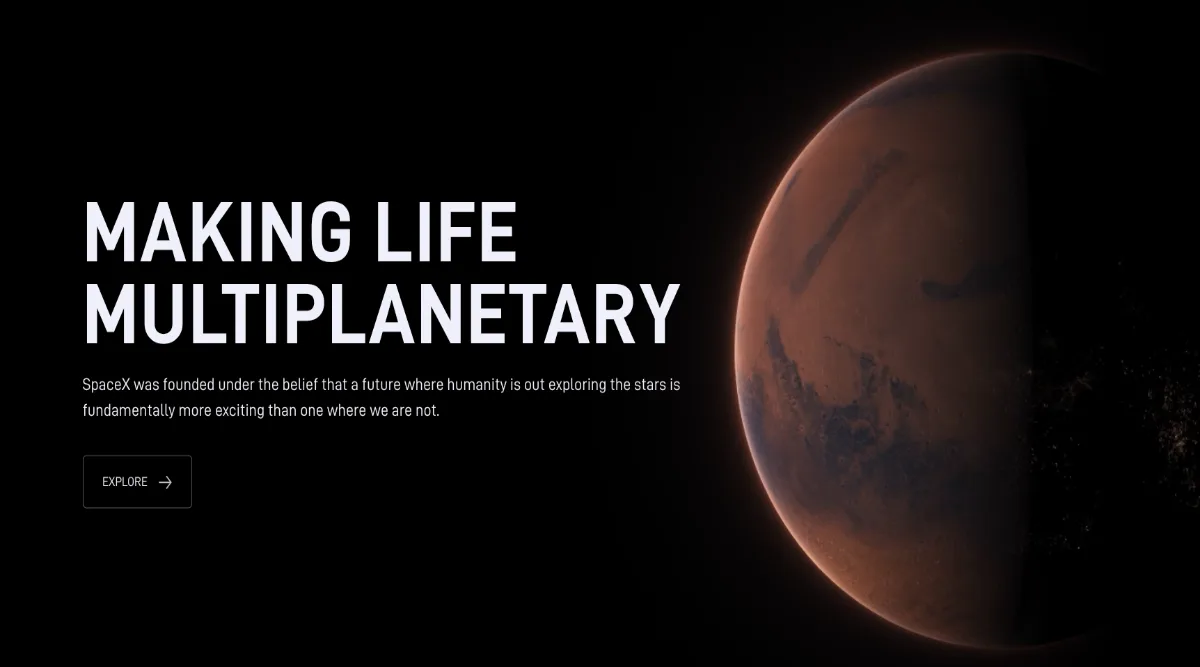
Beyond the astronomical valuation, Musk’s vision for SpaceX extends far beyond satellite launch and space tourism. The company plans to develop infrastructure not only to reach Mars but to establish self-sustaining cities on the planet, housing up to one million inhabitants. Integral to this ambitious quest is the exploitation of extraterrestrial resources—mining the moon and asteroids to build factories and fuel stations. These off-world operations aim to leverage the low gravity of these bodies to reduce costs for material extraction and manufacturing, facilitating long-term space colonization.

This vision also includes constructing massive data centers in space, powered by solar energy harvested directly from abundant sunlight and cooled naturally by the cold vacuum environment. SpaceX’s sibling company, Tesla, plans to build a Texas-based solar panel factory with a production capacity of 100 gigawatts, which seems primarily intended to supply these space-based facilities rather than terrestrial power grids.
Investors interested in the IPO should note the company’s unique shareholder arrangement. Elon Musk and close insiders will hold a separate class of shares granting them decisive control over corporate decisions. This dual-class structure essentially insulates Musk from being replaced as CEO, enabling him to pursue high-risk, long-term projects without interference from activist investors or pressure from short-term market fluctuations. While this approach allows Musk to focus on visionary goals, it centralizes power and limits traditional shareholder influence over governance.
Company insiders stand to benefit significantly from the public listing. Key executives, including SpaceX’s president and chief financial officer, are expected to see their holdings soar in value well beyond the billion-dollar mark. Meanwhile, the broader investment community faces questions about the IPO’s value proposition, given the speculative nature of Musk’s space colonization plans and the governance model that grants him near-absolute control.