

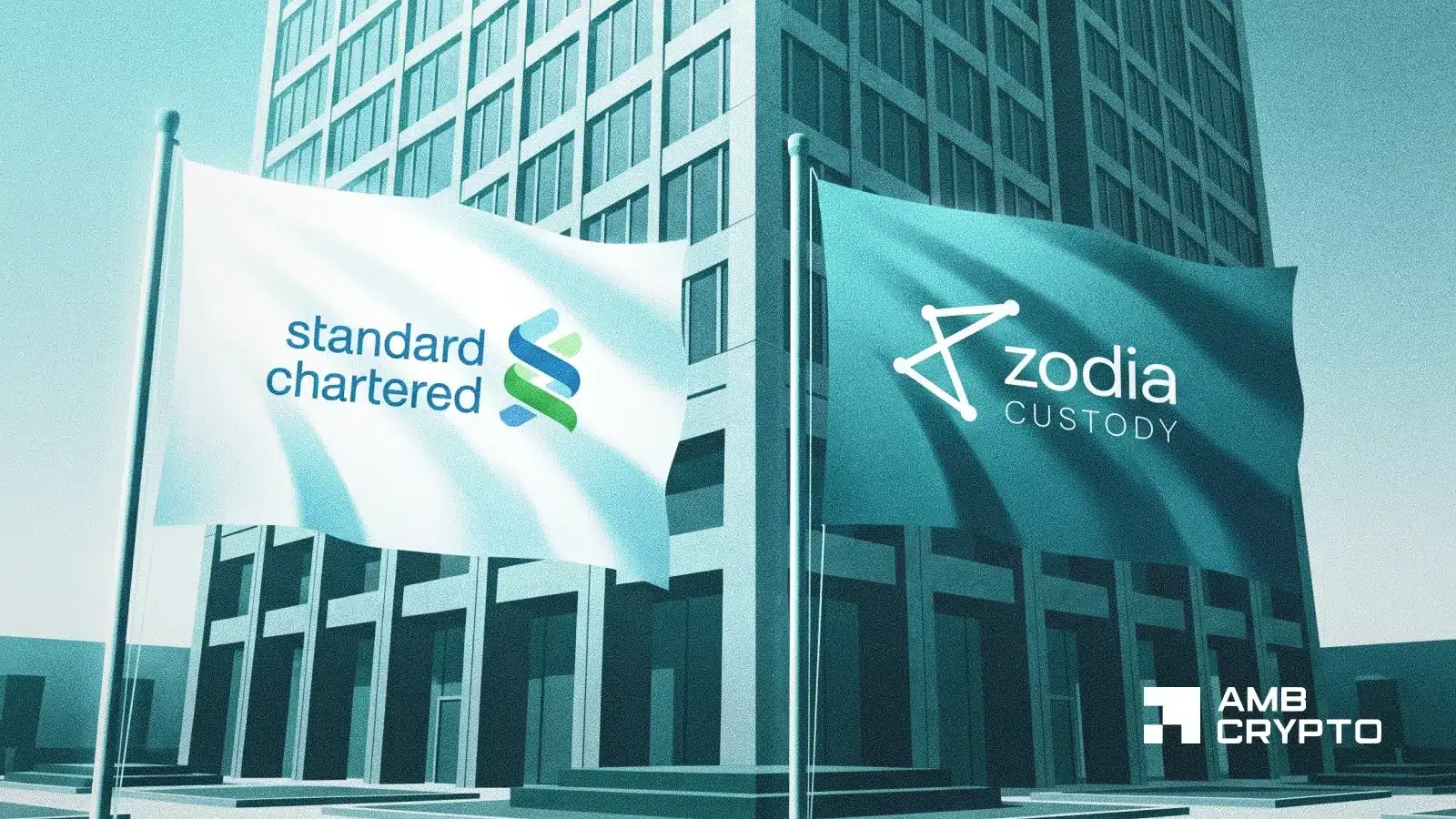
Standard Chartered is consolidating its cryptocurrency operations by proposing to acquire Zodia Custody, a specialist in secure digital asset storage for banks and investment firms. This strategic move intends to bring crypto custody services in-house while expanding the bank’s footprint in the growing institutional digital assets market. The acquisition remains conditional on regulatory approval before it can be finalized.
Rather than fully absorbing Zodia Custody’s business, Standard Chartered plans to establish a new entity called ‘Zodia Solutions’ under its innovation arm, SC Ventures. This entity will manage the technology and infrastructure backbone, support institutions in launching digital asset products, and foster ongoing collaboration with financial institutions. By merging Zodia’s capabilities with its existing crypto offerings, the bank expects to boost revenue from institutional clients while achieving operational efficiencies.

This initiative reflects Standard Chartered’s commitment to developing a comprehensive, end-to-end digital asset platform. The bank emphasizes its role as a bridge between traditional finance (TradFi) and decentralized finance (DeFi), underscoring the importance of regulated and secure crypto custody services as institutional adoption accelerates.
The deal arrives at a time when the digital asset custody market has surpassed $1 trillion, with forecasts projecting growth to $7 trillion within the next decade at an annual compound growth rate exceeding 20%. Such rapid expansion signals rising demand for trusted custody solutions as more financial institutions explore crypto markets. Industry reports also indicate that custody capabilities rank among the top priorities for firms building out their digital asset infrastructure in the coming years.
Earlier in 2023, Zodia Custody raised $36 million to support its international growth ambitions, highlighting strong investor confidence in its platform. Standard Chartered’s move to internalize custody functions through Zodia signals a broader trend of traditional banks actively creating infrastructure rather than passively monitoring the cryptocurrency sector’s evolution.