

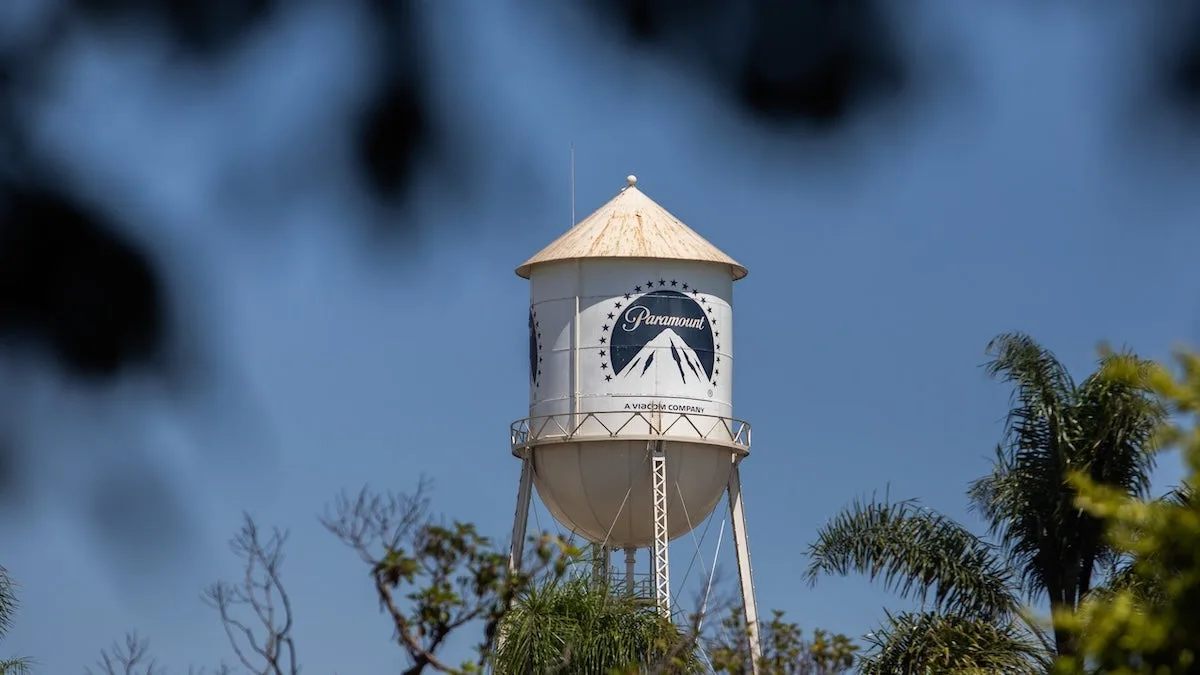
A coalition comprising numerous entertainment industry groups and antitrust advocates welcomed a lawsuit filed by California and 11 other state attorneys general aiming to block the proposed merger between Paramount Skydance and Warner Bros. Discovery. The coalition warned that merging two major Hollywood studios would intensify industry consolidation, resulting in job losses, fewer film and TV releases, and greater control over media narratives.
Formed rapidly after Warner Bros. Discovery entered the sale market, the Block the Merger coalition urged theater owners, production crews, and industry workers to oppose the deal. Members argue that such a merger threatens the diversity and vitality of the entertainment landscape by concentrating power in the hands of a few corporate entities, which could drive up prices for consumers and undermine creative employment opportunities.

One prominent voice within the coalition characterized the merger as harmful to both workers and viewers. They described the deal as “illegal,” anticipating layoffs within artistic communities and inflated costs for audiences. The coalition’s stance celebrates the intervention by state regulators as a critical pushback against unchecked corporate consolidation in culture and media.
The coalition includes organizations such as the American Economic Liberties Project, Art House Convergence, the Future Film Coalition, the Democracy Defenders Fund, and the International Documentary Association. The Committee for the First Amendment, co-founded by Jane Fonda, also participates actively, highlighting broad opposition across various sectors committed to protecting creative freedom and media plurality.
Advocates pointed out that the merger, once seen as inevitable by many, faces a substantial challenge following this legal action. Jane Fonda emphasized that collective organization by artists, journalists, and industry workers underlies this resistance, marking a significant moment of pushback against corporate dominance in storytelling and news dissemination.
In addition to the coalition, the Writers Guild of America expressed strong concern about the merger’s impact. Drawing on its experience opposing previous large media consolidations, the WGA warned that bringing two of the largest studios under one roof would reduce competition, limit programming options, depress wages, and hurt job availability. The guild praised attorneys general for engaging with industry workers and acting to prevent the merger.
Cinema United, representing movie theaters, has also testified against similar sales, underscoring concerns about how such consolidations affect cinemas and the broader entertainment ecosystem.
Overall, this lawsuit marks a significant escalation in resistance to Hollywood consolidation efforts, emphasizing its potential to alter the industry’s economic and creative landscape while sparking debate about the role of government oversight in media ownership.