

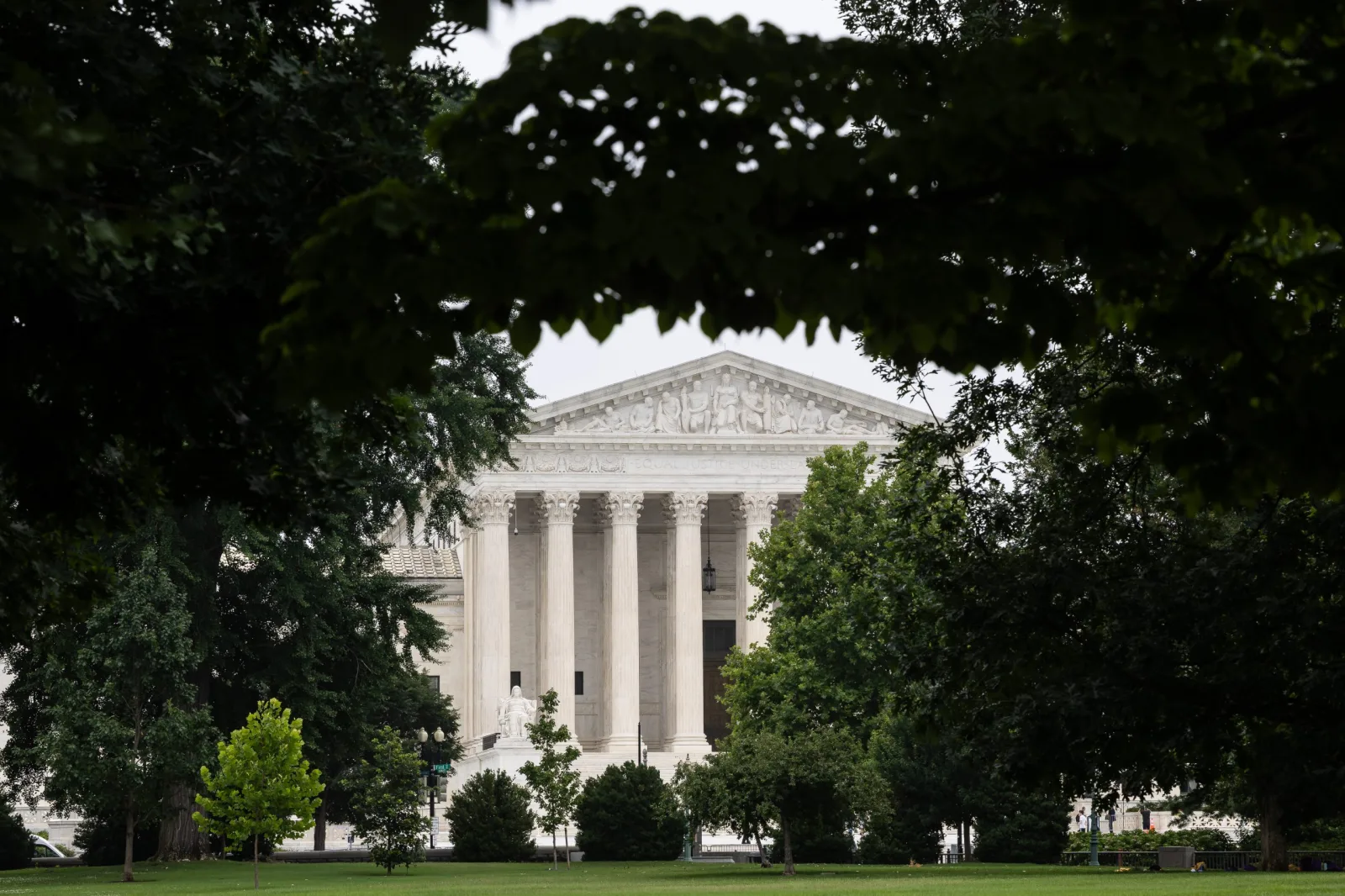
The Supreme Court delivered two rulings last month that underscore a deep tension within the U.S. regulatory system. One decision affirmed the president’s authority to remove independent commissioners of the Federal Trade Commission (FTC), while another preserved the Federal Reserve’s independence from executive interference. These contrasting outcomes have stirred debate over the future of regulatory independence amid growing political polarization.
Experts including former FTC commissioner Alvaro Bedoya, along with commentators Matt Stoller and David Dayen, have analyzed these rulings to understand their implications for executive control over key agencies. Bedoya, who served on the FTC before his removal, points to the potential erosion of agency autonomy when commissioners can be dismissed at will. Meanwhile, the ruling protecting the Federal Reserve reinforces a historic standard preserving its role as a buffer against political pressure.

These decisions reflect divergent judicial approaches to how much sway the executive branch should wield over economic regulators. The disparity raises critical questions about whether true independence can be sustained for agencies charged with overseeing powerful financial interests, especially Wall Street. The Federal Reserve’s independence has long been seen as essential for maintaining economic stability, while the FTC’s role in enforcement and competition policy faces new uncertainty.
Despite concerns over federal oversight, there is cautious optimism as some states ramp up their own justice departments to fill enforcement gaps left by federal retreat. This decentralization could signal a shift toward greater regional involvement in regulating corporate power. Yet the broader issue remains whether regulatory bodies will continue to serve as effective, impartial watchdogs amid increasingly partisan dynamics.
David Dayen and Matt Stoller host the podcast Organized Money, where they dissect these themes alongside Bedoya, exploring what these Supreme Court rulings mean for regulatory policy and corporate influence. Their discussion highlights the complex balance between executive authority, agency independence, and the mechanisms needed to hold Wall Street accountable in a hyper-partisan era.