

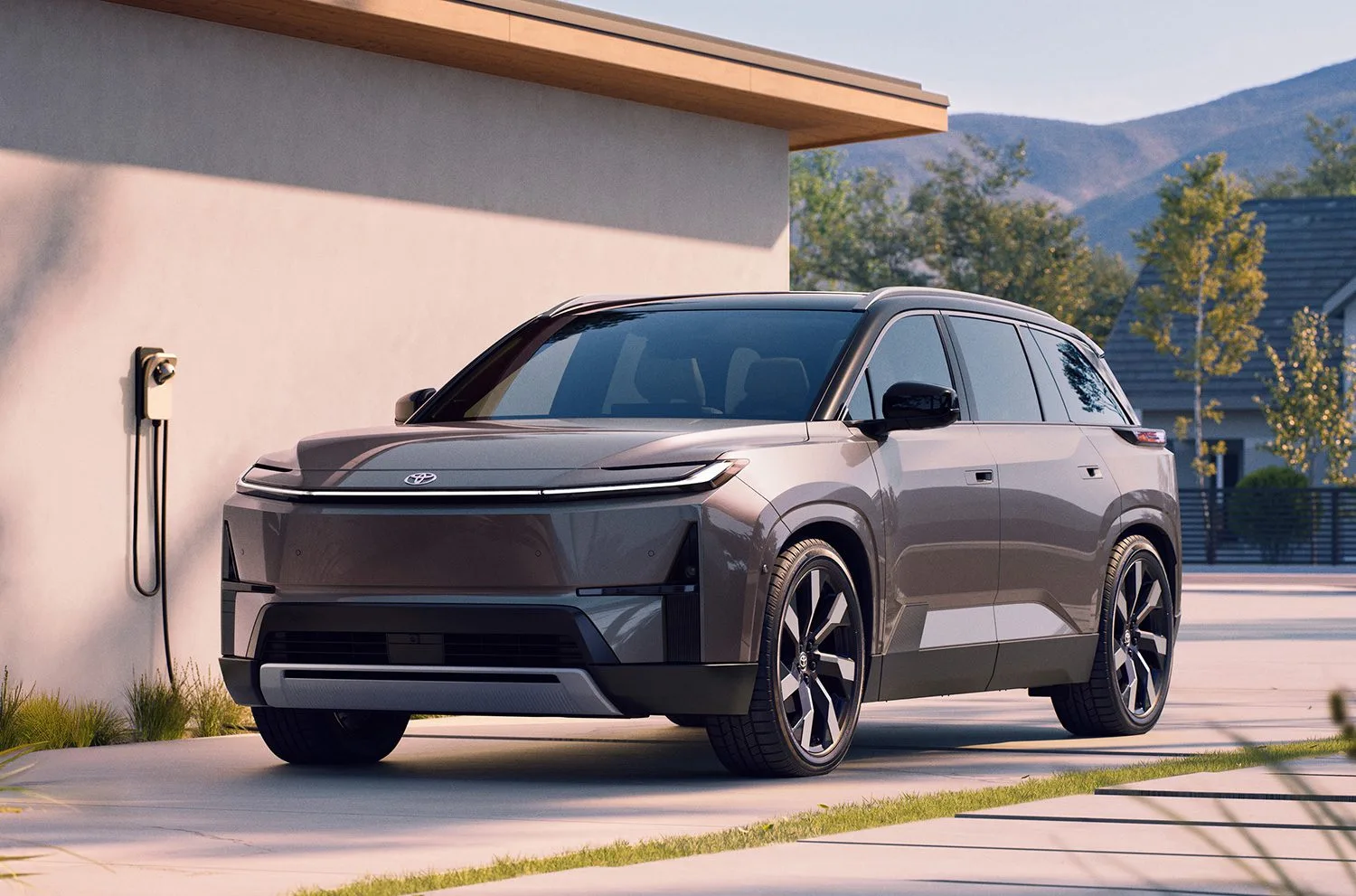
Toyota reported a sharp drop in operating income for the fourth quarter of 2025, reflecting mounting pressures from its prolonged hesitation to embrace electric vehicle (EV) technology fully. The automaker saw a 21.5% fall in operating income measured in yen, with profit margins slipping from 10% to 7.4%. A notable $2 billion operating loss in North America added to the concern, fuelled partly by tariffs and rising oil prices that strained the company’s traditional combustion-engine business model.
This downturn comes as Toyota, historically a leader in hybrid vehicles, faces mounting criticism for sluggish EV development. Industry analysts point to years of underinvestment in battery electric vehicles (BEVs) while the global market rapidly shifted in their favor. Meanwhile, Toyota has invested heavily in hydrogen fuel cell technology and repeatedly delayed commercializing advanced solid-state batteries, which competitors have already begun to leverage.

Analysts argue Toyota’s continued reliance on fossil fuel-dependent supply chains and combustion vehicles has left it vulnerable to volatile energy prices and geopolitical risks. Despite ambitious initial goals to sell 1.5 million EVs by 2026, the company has drastically lowered its targets amid underwhelming sales. In 2025, Toyota sold fewer than 200,000 BEVs worldwide—far short of its stated ambitions—while fuel cell vehicle production remains a niche endeavor.
China, the world’s largest EV market, represents another headache for Toyota. The company has experienced three straight years of declining sales there, as competitors with more competitive EV lineups gain market share. Toyota’s BEV offerings are widely seen as several generations behind rivals, underscoring the gap created by its cautious strategy.
The company is now gearing up to expand its EV portfolio in response to market realities. However, analysts note that Toyota enters this period of industry transformation with structural disadvantages: limited BEV market penetration, production heavily tied to fossil-fuel inputs, and delayed adoption of next-generation battery technologies. This combination has contributed to its worsening financial results amid shifting consumer preferences and tightening climate regulations worldwide.