

A coalition of twelve state attorneys general has launched legal action to block the merger between Paramount and Warner Bros. Discovery, which they describe as unlawful and harmful to the entertainment industry. The states argue that the proposed $110 billion deal would reduce competition, resulting in higher prices, lower quality content, and fewer opportunities for diverse storytelling in film and television.
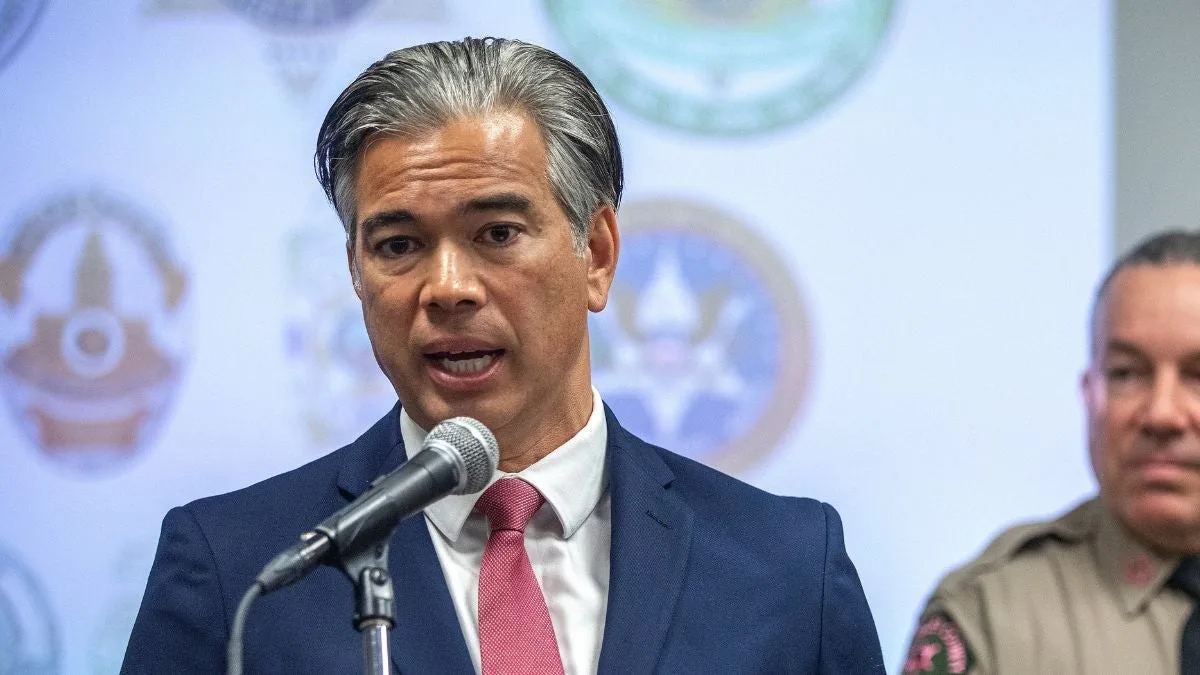
California's attorney general Rob Bonta leads the lawsuit, emphasizing the importance of maintaining a free and fair market to protect the entertainment sector, which plays a significant role in American culture and economy. Along with California, the states involved are Arizona, Colorado, Connecticut, Massachusetts, Minnesota, Nevada, New Jersey, New Mexico, New York, Oregon, and Washington.

The lawsuit points to potential negative consequences that consolidation of these two media giants could bring. Officials warn that merging such dominant companies risks harming movie theaters, basic cable providers, and ultimately viewers nationwide by limiting the variety and availability of content. They also highlight that this centralization may stifle voices and perspectives outside mainstream narratives.
Paramount has responded by stating its commitment to cooperating with regulators, including state attorneys general, and addressing any legitimate antitrust concerns. Paramount has faced subpoenas and civil investigative demands from several state officials probing the competitive effects of the merger, though the company has not specified what information has been requested or from which states.
Notably, Oregon’s attorney general initially sought a temporary delay on the deal's closing to compel Paramount’s compliance with records requests but later withdrew that motion due to the company’s refusal to cooperate. This underscores tensions between the media giant and certain state regulators over transparency and legal obligations.
The merger has already cleared approval from the U.S. Justice Department following an eight-month antitrust investigation that included coordination with state attorneys general, as well as approval from Warner Bros. shareholders. It has also received clearance or elapsed waiting periods in other countries. Nevertheless, the ongoing state-level legal challenge represents a significant hurdle that could influence the merger’s final outcome.