

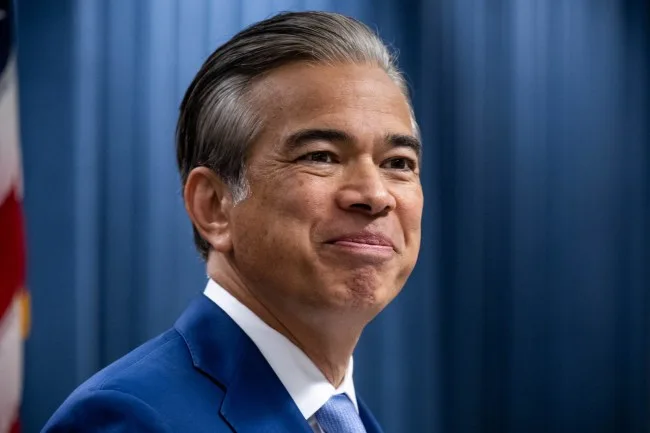
Twelve states have taken legal action to block a proposed merger between Paramount and Warner Bros. Discovery, a deal valued at $111 billion. The lawsuit, spearheaded by California’s Attorney General, argues that the merger would reduce competition significantly across multiple sectors of the American entertainment industry.
The states claim the merger would eliminate competition between two of the country's largest film distributors and major cable channel owners, potentially harming movie theaters, cable providers, and audiences nationwide. The suit emphasizes that combining these two giants would concentrate control over a substantial share of theatrical film releases and basic cable channels, violating antitrust laws such as the Clayton Act.

The complaint highlights that the merger would reduce the number of major film distributors in the U.S. from five to four, with just two companies— the newly combined entity and Disney—controlling the majority of basic cable distribution. Post-merger, the combined company would control over a quarter of revenues generated by wide-release theatrical films and cable channels, creating a dominant player in the media landscape.
Paramount had aimed to finalize the deal before a set deadline to avoid paying additional fees to shareholders for every quarter the transaction is delayed. Despite the states’ opposition, the U.S. Department of Justice recently chose not to challenge the merger, stating it could increase competition and bring benefits to consumers and workers.
In addition to this legal challenge, Paramount is also awaiting regulatory approvals from the United Kingdom and the European Union. This lawsuit represents the final significant obstacle within the United States before the merger can move forward.