

Negotiators from the United States and Iran have reportedly reached a tentative pact to prolong the current ceasefire in their ongoing conflict by two months, laying the groundwork for renewed discussions over Iran’s nuclear activities. A U.S. official with knowledge of the talks confirmed the preliminary deal, although Iran has yet to verify the arrangement publicly.
The ceasefire extension and the framework for fresh diplomatic engagement come amid escalating tensions in the region. Recent military activity, including intercepted missile launches attributed to Iran, has threatened the fragile truce. This backdrop underscores the urgency behind the new agreement to stabilize the situation and address core disagreements directly.

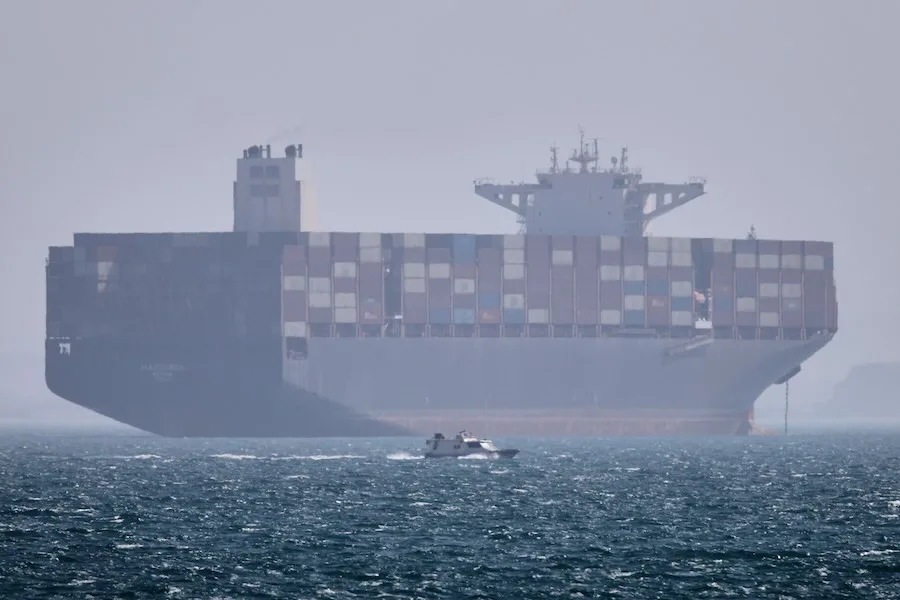
The terms reportedly include commitments from Iran regarding the Strait of Hormuz, a critical maritime passage through which a significant portion of the world’s oil and natural gas trade flows. According to the sources, Iran would be required to remove all naval mines within 30 days and refrain from imposing tolls on commercial shipping, measures aimed at reopening the vital waterway that Tehran has intermittently blocked during the conflict.
In exchange, the United States would begin easing its naval blockade on Iranian ports and gradually relax sanctions, allowing Iran to increase oil exports. Nonetheless, additional U.S. sanctions on elements of Iran’s military and oil sectors were announced even as the tentative agreement surfaced, signaling continued economic pressure despite diplomatic progress.
Senior U.S. officials have indicated that the extended ceasefire period will serve as a window for negotiations focused primarily on Iran’s stockpile of highly enriched uranium—a central issue for international nuclear security concerns. This complex dialogue aims to establish terms preventing Iran from advancing its nuclear capabilities while maintaining regional stability.
However, official approval of the agreement remains pending, with Vice President JD Vance acknowledging uncertainty over whether President Donald Trump will authorize the deal. Discussions continue over specific language points, highlighting lingering political and strategic considerations influencing the final decision.
The extension and upcoming negotiations represent the most significant diplomatic movement in months and reflect both sides’ recognition of the need to de-escalate hostilities and address contentious issues through dialogue rather than conflict.