

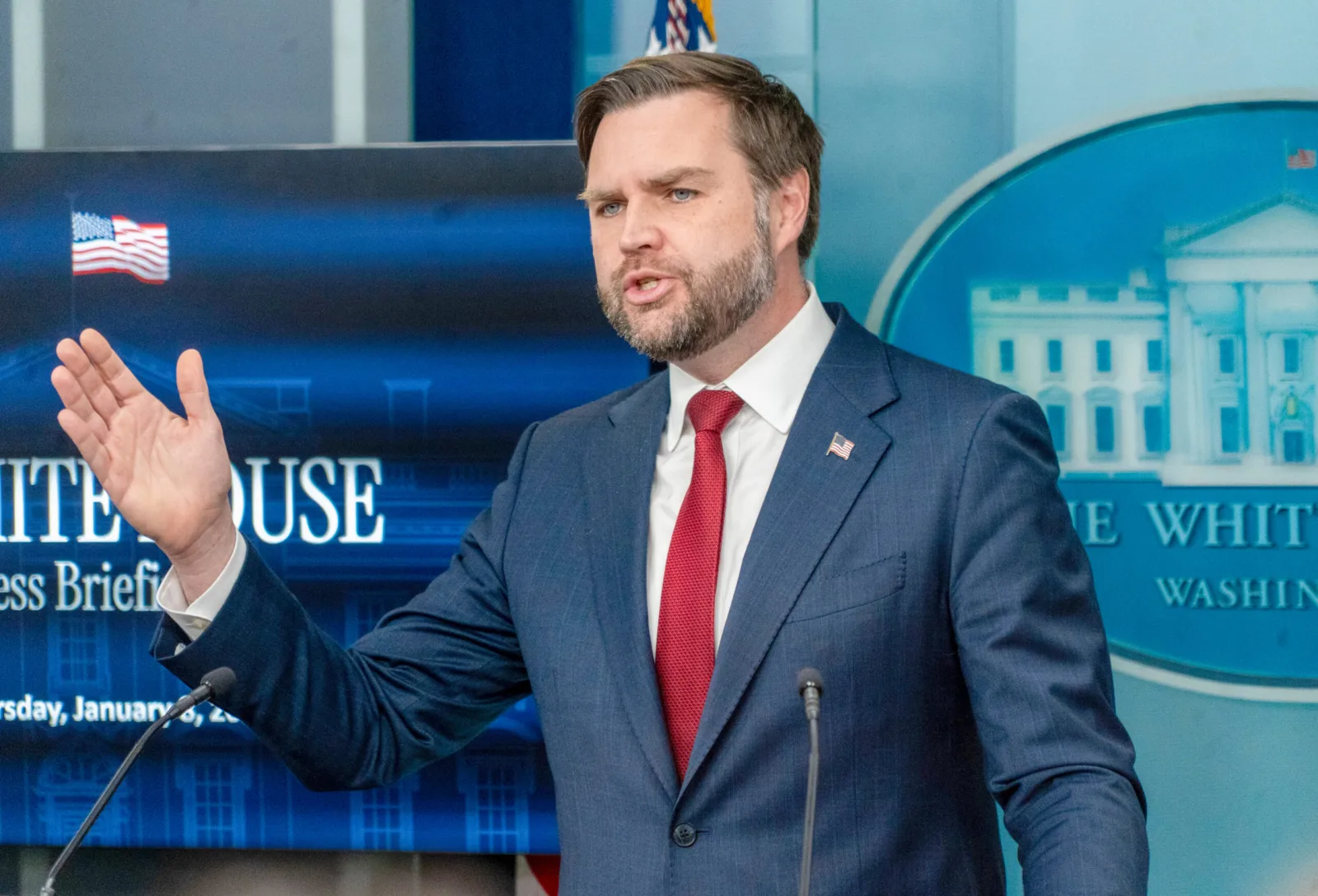
US Vice President JD Vance emphasized that the Trump administration is engaged in intensive negotiations with Iran aimed at preventing the country from developing nuclear weapons. However, he stressed that Washington remains fully prepared to resume military operations should Tehran reject a deal.
Vance outlined two clear paths in dealing with Iran: securing a diplomatic agreement or restarting military efforts. He conveyed that the administration believes Iran is interested in reaching a compromise, but acknowledged that a final understanding will only come once an agreement is formally signed.

Highlighting his extensive diplomatic outreach, which involved many hours of travel and face-to-face talks, Vance framed these efforts as a demonstration of good faith from the US side. At the same time, he underscored President Donald Trump’s willingness to escalate military pressure if necessary.
According to Vance, Iran presents a complex challenge with multiple power centers, making it difficult to predict Tehran’s negotiating stance precisely. He also refuted claims that Russia might control Iran’s enriched uranium stockpile under any future deal, calling such reports inaccurate and not part of US plans.
Addressing the broader Middle East conflict, Vance described the recent intense period of conflict as limited, lasting roughly five weeks, and dismissed notions of a prolonged US military engagement. He assured that the administration aims to conclude operations decisively and withdraw US forces.
Beyond foreign policy, Vance commented on domestic priorities, including immigration, AI development, political violence, and government corruption. He announced that a White House anti-fraud task force had uncovered extensive financial fraud involving Medicare, Medicaid, and immigration programs. On artificial intelligence, Vance noted the administration’s focus on maintaining US technological leadership while safeguarding privacy and national security.