

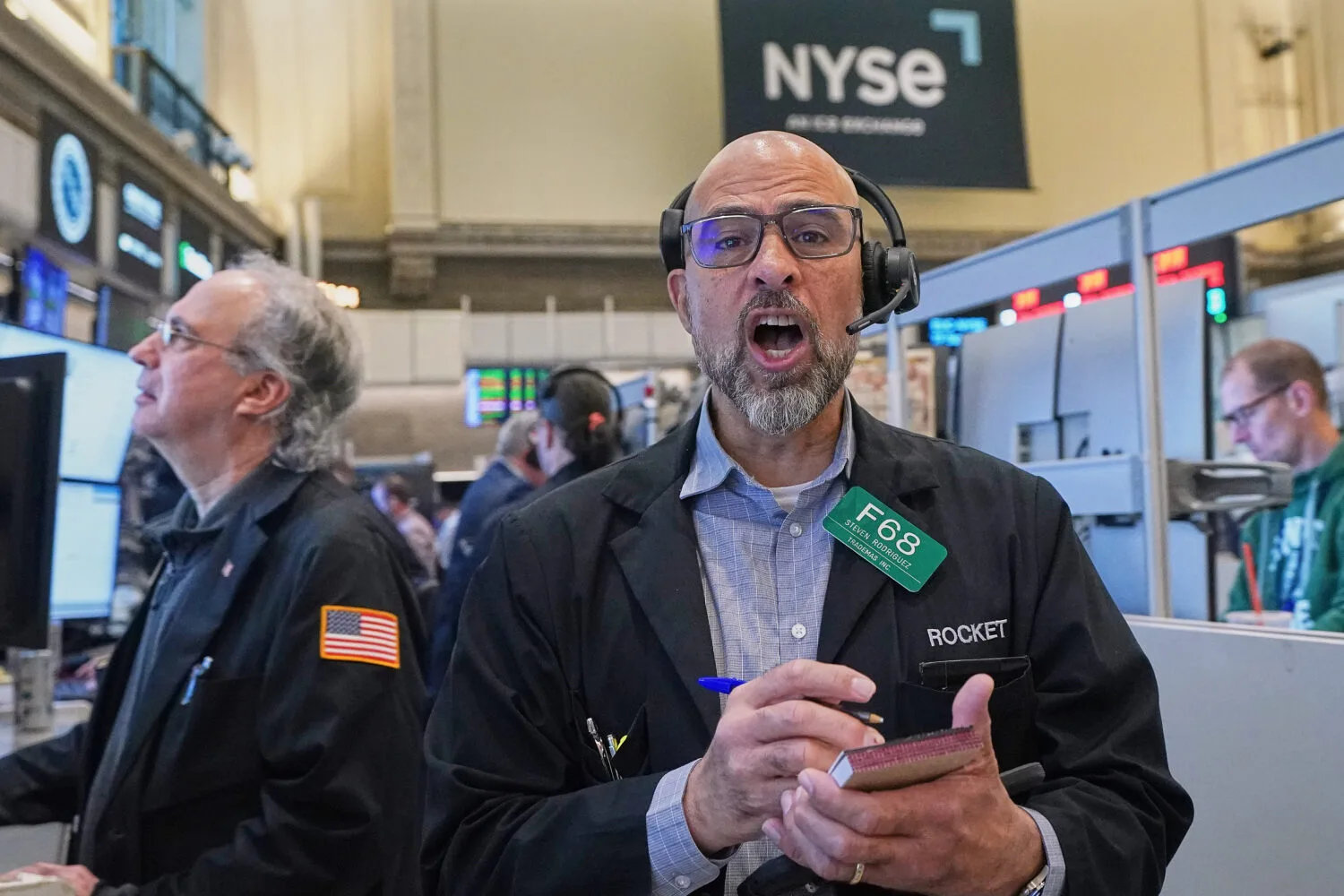
U.S. markets opened Friday with a mixed outlook, as key indexes showed opposite movements in premarket futures. The S&P 500 futures inched up slightly, while Dow Jones futures declined modestly. Technology stocks led the gains, with the Nasdaq futures rising notably, reflecting recovery after earlier steep losses in chipmakers.
Chip manufacturers Intel, Micron, and Qualcomm each saw sharp rebounds. Intel shares climbed after a prior drop, while Micron recovered losses from the previous session. This follows a broader trend of significant gains this year driven by growth in artificial intelligence demand, with Intel and Micron shares having surged dramatically over recent months.

President Donald Trump’s arrival in Beijing marks the start of high-level discussions with President Xi Jinping, focusing on several pivotal issues. Key topics include trade relations and artificial intelligence, alongside ongoing talks related to Iran. The U.S. delegation includes prominent figures from major technology companies such as Tesla and Nvidia, reflecting the strategic importance of AI and tech cooperation.
Oil prices remained relatively steady amid fluctuating market sentiment tied to geopolitical tensions. Brent crude held near $107 a barrel, while U.S. crude fluctuated slightly below $102. The persistent uncertainty over a diplomatic resolution between the United States and Iran, and the impact of conflict in the Persian Gulf, continue to influence supply concerns.
The conflict has disrupted shipping through the Strait of Hormuz, a critical passage for global oil supplies. This bottleneck has contributed to elevated crude prices, driving inflation higher in the U.S., as reflected in recent government reports showing inflation acceleration even when excluding volatile food and fuel costs.
The Federal Reserve has held interest rates steady this year, closely monitoring inflation trends affected by global conflict and trade policies. Market expectations lean toward no rate cuts in the near term, with some investors now considering a possible rate hike by year-end. Higher interest rates typically pressure stock prices by increasing borrowing costs and slowing economic growth.