

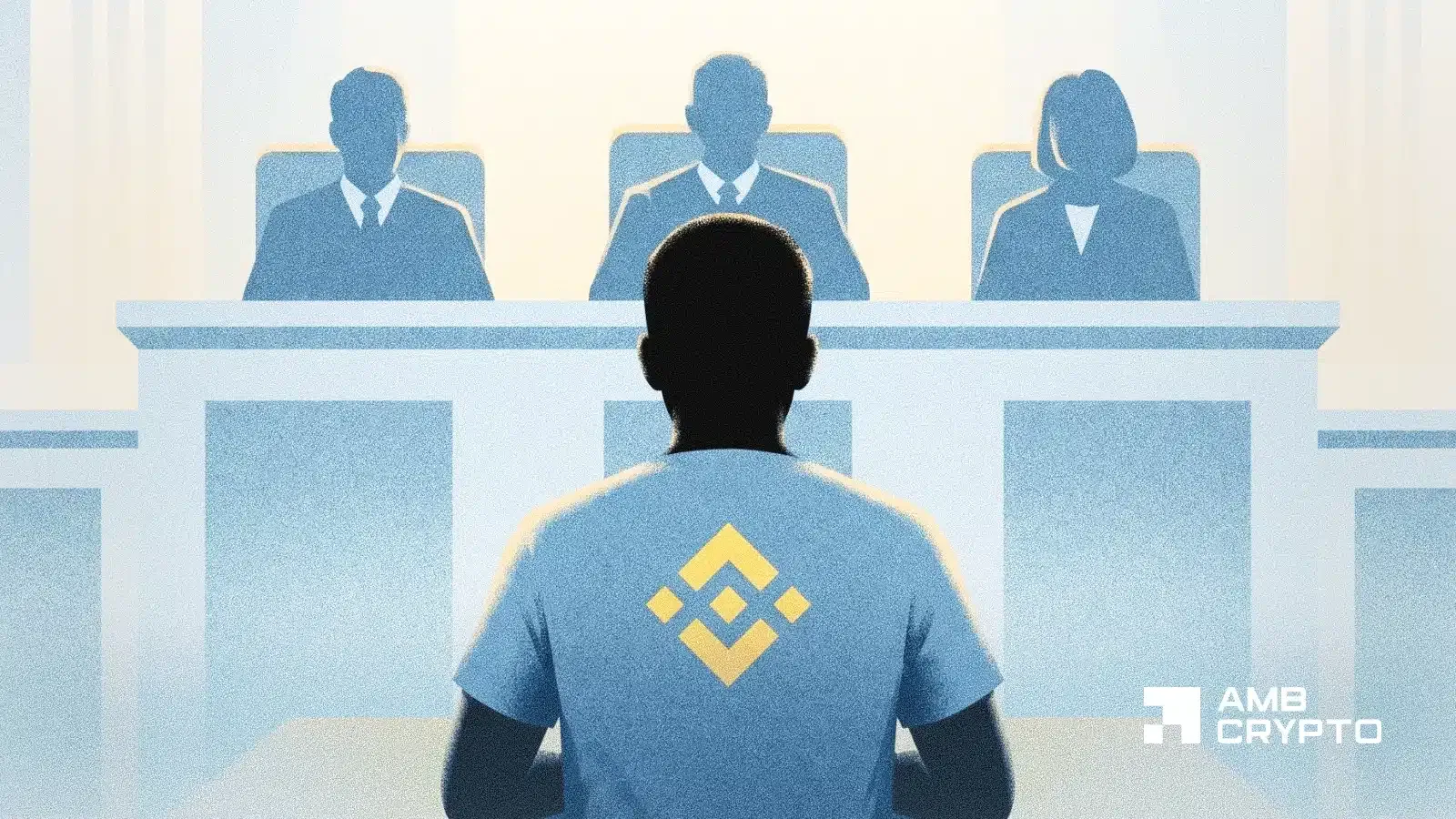
Binance, the world’s largest cryptocurrency exchange, pushed back against claims that it will reduce cooperation with the US Department of Justice (DOJ) in ongoing crypto investigations. According to a June internal DOJ memo, prosecutors were advised to expect less cooperation from Binance, a suggestion the exchange has officially refuted, affirming it continues to work closely with US law enforcement agencies.
The DOJ began formal criminal monitoring of Binance in mid-2024, following a 2023 case against the exchange. This oversight is expected to last at least three years with a possible one-year extension. Subsequently, the US Treasury is set to supervise Binance for an additional two years, creating a regulatory timeline that spans approximately 3 to 6 years. During this period, Binance operates under independent monitoring, which has involved assisting DOJ prosecutors with investigations and instituting customer account freezes as a courtesy when requested.

Going forward, the DOJ will require formal legal orders to freeze accounts belonging to US residents and will rely on mutual legal assistance treaties (MLATs) for international cases, marking a shift toward stricter procedural adherence in Binance’s compliance practices.
Binance’s spokesperson emphasized that these developments do not signal any change in how the exchange cooperates with law enforcement. Earlier in the year, Binance also dismissed allegations that it facilitated over $1 billion in transactions to sanctioned entities in Iran. This assertion led some US lawmakers to call for a review of the DOJ monitoring terms imposed on the exchange.
Meanwhile, Binance has faced hurdles outside the US. Most notably, the exchange was excluded from the European Union after failing to secure approval under the Markets in Crypto-Assets (MiCA) regulatory framework.
On the product front, Binance’s recent research highlights evolving regional trends in stablecoin adoption. In Latin America, stablecoin users doubled, rising from 17% to 38%, reflecting a rapid acceleration driven mainly by the need to circumvent costly traditional cross-border payment systems. This region remains a vibrant market for crypto utility and everyday financial use.
Similarly, the Middle East and North Africa (MENA) region showed growth in stablecoin savings, with user engagement increasing from 5% to nearly 10%. Binance co-founder Yi He interprets this as an indication of crypto adoption maturing beyond trading, as users focus more on long-term wealth-building opportunities.
Yi also stressed that crypto adoption is not a monolithic global phenomenon but a collection of distinct regional narratives shaped by local needs and conditions. The expanding role of crypto platforms as financial ‘super-apps’ highlights the importance of enhanced legal compliance measures to foster trust and protect consumers.