

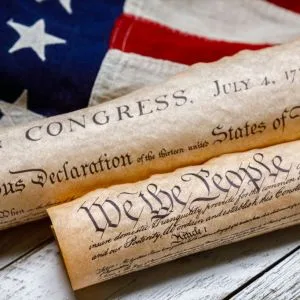
A leading commissioner at the US Securities and Exchange Commission (SEC) recently clarified that writing and publishing blockchain code should be recognized as a form of protected free speech under the First Amendment. This distinction challenges the notion that software developers are inherently responsible for how others use their open-source decentralized finance (DeFi) tools.
Hester Peirce delivered this argument during the IC3 Blockchain Camp at Princeton University, stressing that legal liability should target individuals who engage in unlawful conduct rather than the original creators of the blockchain code. She questioned the applicability of traditional securities regulations, initially designed for intermediaries such as brokers and exchanges, to decentralized systems that serve purposes far beyond securities transactions.

Peirce’s perspective aligns with an ongoing shift within the SEC, which has moved away from aggressive regulatory enforcement toward a more nuanced approach under Chair Paul Atkins. The SEC’s Crypto Task Force is actively reviewing how existing securities laws apply to digital assets and blockchain networks — reflecting a reconsideration of how to classify decentralized platforms and their operators.
Recent SEC staff guidance clarified that certain front-end platforms providing access to decentralized protocols may not qualify as brokers under existing definitions. This signals a move to adapt legacy rules that were not originally designed for blockchain technologies, acknowledging the unique nature of distributed networks.
Looking ahead, the SEC continues to view blockchain and digital assets as central to the future of the financial system. Its draft Strategic Plan through fiscal 2030 highlights the transformative potential of these technologies for America’s financial infrastructure, indicating that regulatory approaches will continue evolving to balance innovation and investor protection.