

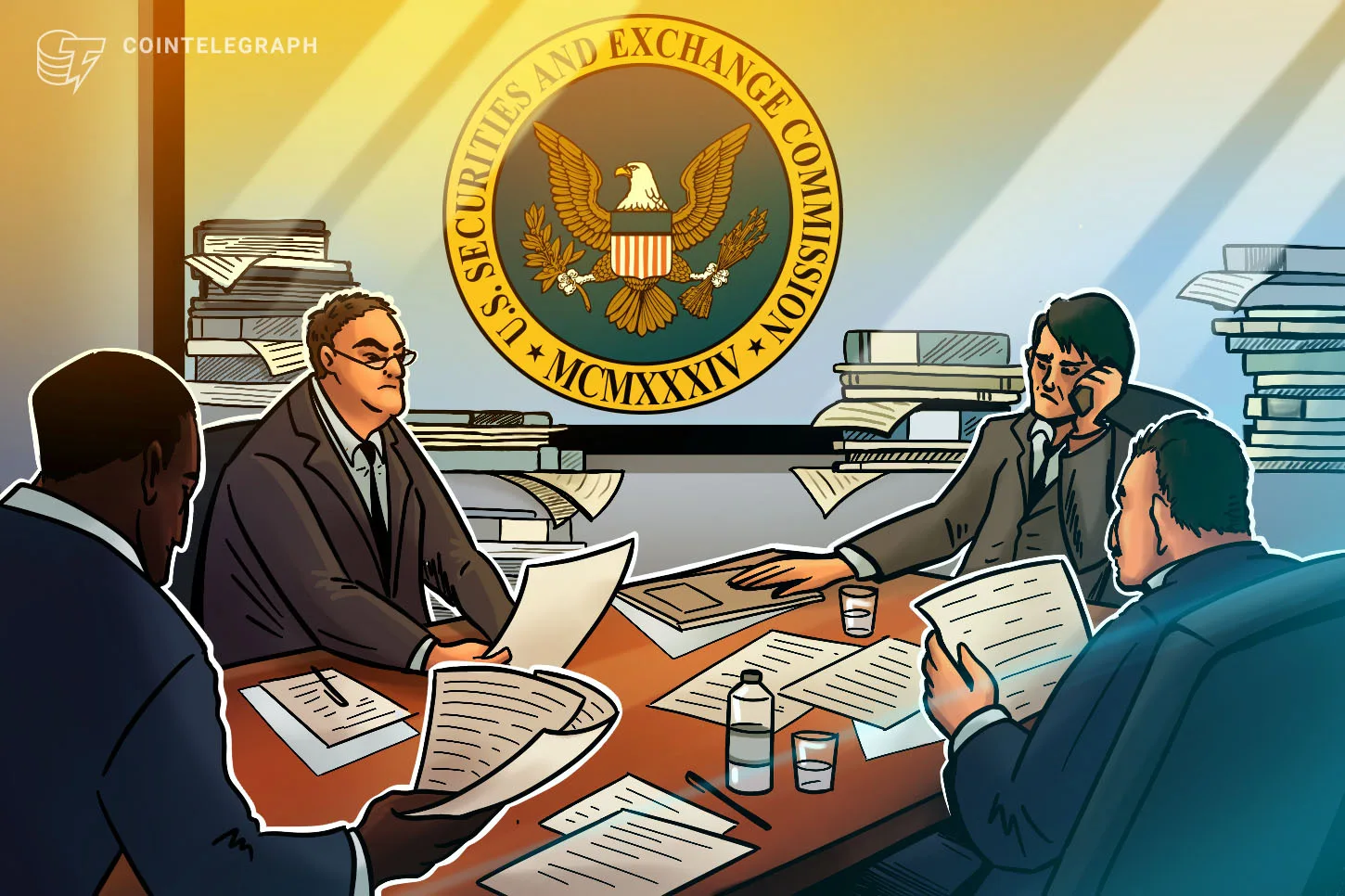
The US Securities and Exchange Commission (SEC) has delayed its planned rollout of an "innovation exemption" aimed at permitting the trading of tokenized stocks on blockchain platforms. The move follows apprehensions from stock exchange officials and market participants about the proposal’s regulatory framework and practical application.
Initially expected to be announced quickly, the pause allows the SEC to gather further input and refine the proposal. Under the plan, platforms offering tokenized stocks would have to ensure that investors receive the same rights as traditional shareholders, including dividends and voting rights. The SEC has reviewed draft rules and consulted with hundreds of stakeholders but has not made any definitive changes to the proposal yet.

Concerns expressed to the SEC center on unauthorized issuance of tokenized shares by third parties without company approval, and the challenge of verifying ownership on blockchains that allow semi-pseudonymous activity. This verification problem raises risks about investor protections and compliance with existing securities laws.
The SEC’s contemplation of these tokenized assets comes amid growing Wall Street interest in crypto-powered financial products and stablecoins. Despite significant tokenization activity—most notably $34 billion in various real-world assets, including $1.55 billion in tokenized equities—adoption still remains below the optimistic forecasts set by firms like Citibank and McKinsey, which predicted the market could reach multi-trillion-dollar valuations within the decade.
Industry leaders generally support the SEC’s cautious approach. Carlos Domingo, CEO of Securitize, emphasized the importance of applying the exemption to appropriate instruments, preferring a delay over a flawed rollout. Similarly, Tom Farley, CEO of Bullish exchange, praised the SEC for recognizing that only public companies should issue shares as tokens.
The delay follows remarks by SEC Commissioner Hester Peirce, who indicated the innovation exemption would be narrowly tailored and likely limited to "digital representations" of equity securities, akin to existing secondary market instruments. Earlier this year, the SEC distinguished between "custodial" tokenized securities, which carry shareholder rights under regulated custody, and "synthetic" tokens, which offer only price exposure without actual ownership.