

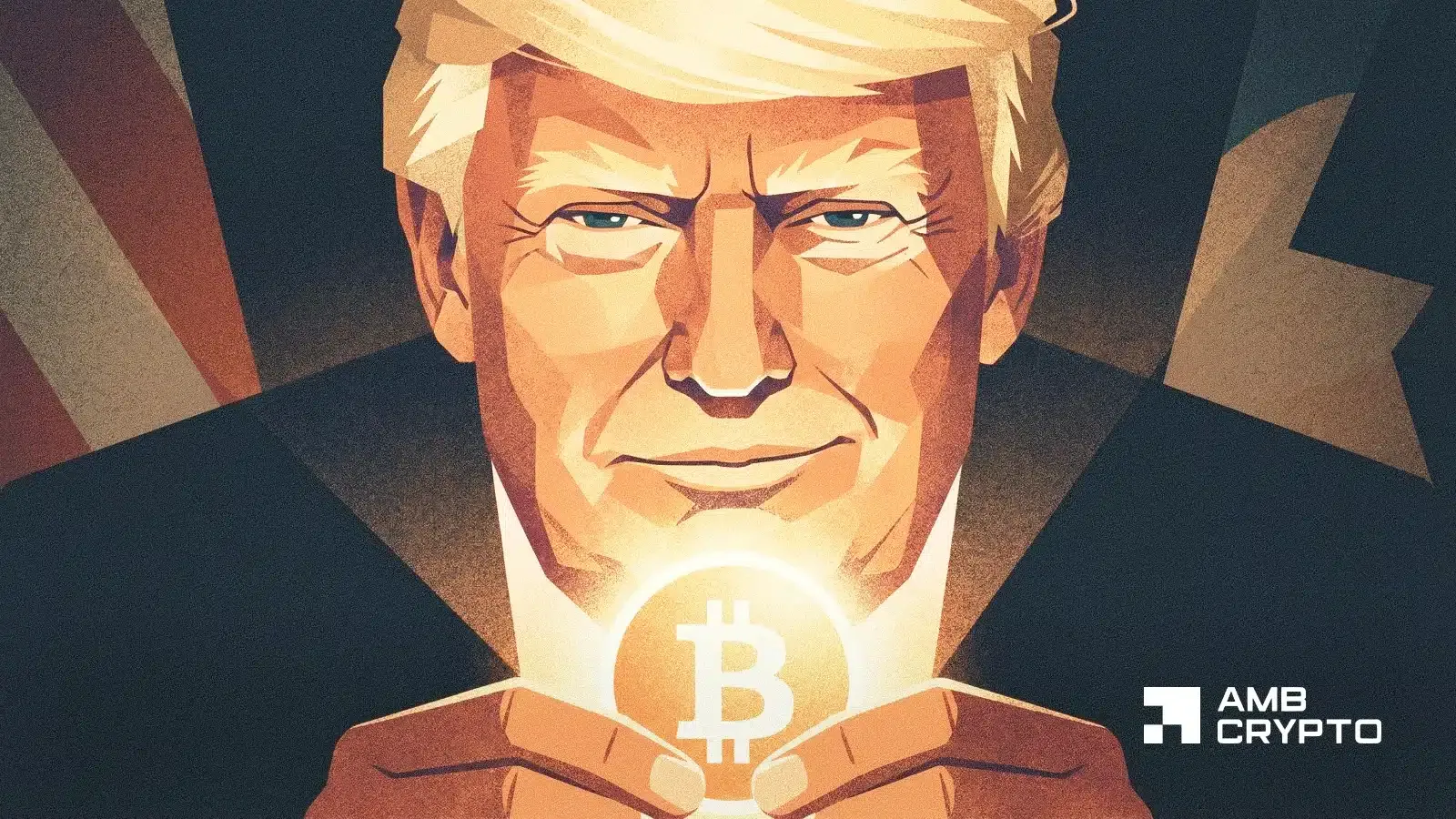
Donald Trump’s return to the White House in 2025 marked a dramatic pivot on cryptocurrencies. Once a vocal critic who dismissed Bitcoin as a scam, Trump embraced digital assets this term, earning the label “crypto president” thanks to his active involvement in crypto ventures and policies. His administration quickly rolled out initiatives that positioned the U.S. as a potential global leader in cryptocurrency and stablecoins.
Among his early moves, Trump issued an executive order in March 2025 that established a Strategic Bitcoin Reserve, incorporating not only Bitcoin but also top cryptocurrencies like Solana, Cardano, Ripple, and Ethereum. This action aimed to prevent a supply shock in key digital assets while reinforcing the country’s commitment to the crypto space. Later that summer, his administration passed legislation known as the GENIUS Act, creating the first comprehensive federal regulatory framework for the stablecoin market, which had ballooned into the hundreds of billions of dollars. This legislation effectively blocked Federal Reserve plans for a central bank digital currency (CBDC) that critics feared would heavily surveil users and restrict decentralization.

Trump has also publicly supported further reforms under the CLARITY Act, emphasizing the need to overhaul market structures and enhance returns for American investors. From the policy standpoint, these measures represent a significant shift from regulatory caution to promotion, accelerating the integration of decentralized finance within the U.S. financial system.
However, Trump’s crypto advocacy faces strong skepticism regarding its motivations. Critics point to his direct financial interests in projects such as World Liberty Financial and the WLFI token, which coincided with his political rebranding as a crypto champion. Concerns of conflicts of interest have been raised by prominent figures, including a Democratic senator who urged strict oversight of how regulatory decisions might intersect with Trump’s personal holdings and business ventures.
Calls for caution grew louder after accusations surfaced about manipulative controls embedded in Trump-backed cryptocurrencies. The founder of TRON publicly criticized World Liberty Financial for implementing backdoor features in smart contracts, enabling unilateral control over token holders’ wallets and limiting asset transfers. Such functionality runs counter to the ethos of decentralization and sparked fears that some crypto projects under Trump's influence could prioritize exclusivity and control over transparency and user autonomy.
Trump's crypto initiatives illustrate a complex balancing act between innovation, political positioning, and personal enrichment. While his policies have undeniably pushed the digital asset sector toward broader acceptance and regulation, the interplay of business interests and governance has fueled debate about the true drivers behind his crypto agenda.