Riot Sells Majority of Bitcoin Holdings to Fund $28 Billion AI Infrastructure Project
Bitcoin mining firm Riot has sold nearly 80% of its Bitcoin reserves to support a $28 billion, 15-year agreement focused on building AI infrastructure.



Bitcoin mining firm Riot has sold nearly 80% of its Bitcoin reserves to support a $28 billion, 15-year agreement focused on building AI infrastructure.

Worldcoin’s price briefly climbed above $0.54 in mid-October before falling back under $0.48, highlighting persistent volatility despite renewed attention fueled by AI-related developments.

The AI-focused cryptocurrency Quack AI has surged more than 80% in 24 hours, outpacing major cryptos as interest in AI projects gains momentum across markets.

Adam Back reacted to Ledger cofounder's comments about AI’s impact on ECDSA cryptography, emphasizing the enduring security of Bitcoin’s foundational signatures.

Venice Token rebounds strongly from key support, driven by its AI integration strategy, raising prospects for a significant price increase in the near term.

Top financial leaders gathered in New York to explore how artificial intelligence is transforming finance through automation, risk management, and customer experience.


Coinbase’s Base blockchain has processed more than 138 million x402 transactions, signaling growing adoption of HTTP 402 payments as AI-related revenue models attract critical attention.
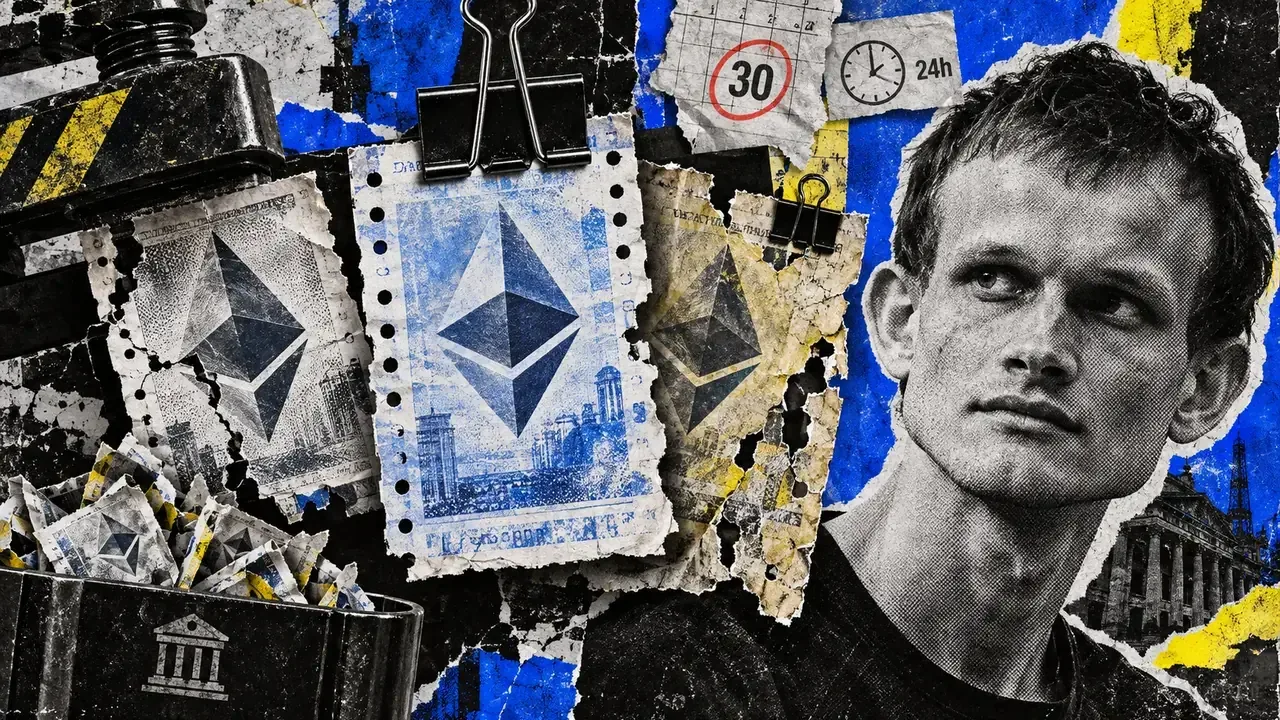
The Ethereum Foundation’s release of zkAPI on mainnet introduces an AI-driven payment system inspired by Vitalik Buterin, capable of redirecting expired deposits to a treasury.

Automated AI investment agents increasingly choose Ripple’s USD-pegged asset over XRP tokens, while BlackRock issues a striking new market prediction.
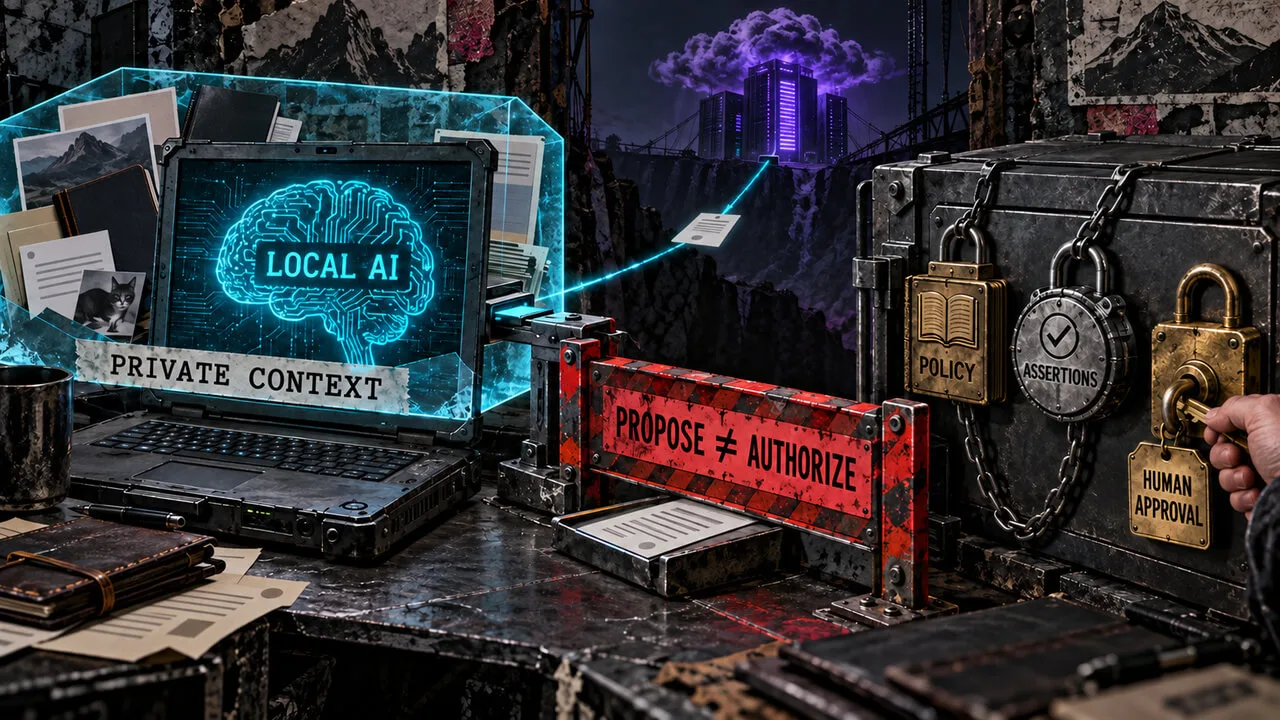
Ethereum co-founder Vitalik Buterin explains how emerging local AI technologies promise privacy improvements but warns crypto wallets remain unprepared to rely solely on AI for asset control.

An increasing number of Bitcoin miners have ceased their cryptocurrency hashing activities to redirect electricity resources toward more lucrative AI-related power uses.

The Philippines introduces tighter controls on virtual asset service providers alongside new measures promoting artificial intelligence and digital transformation in the financial sector.