

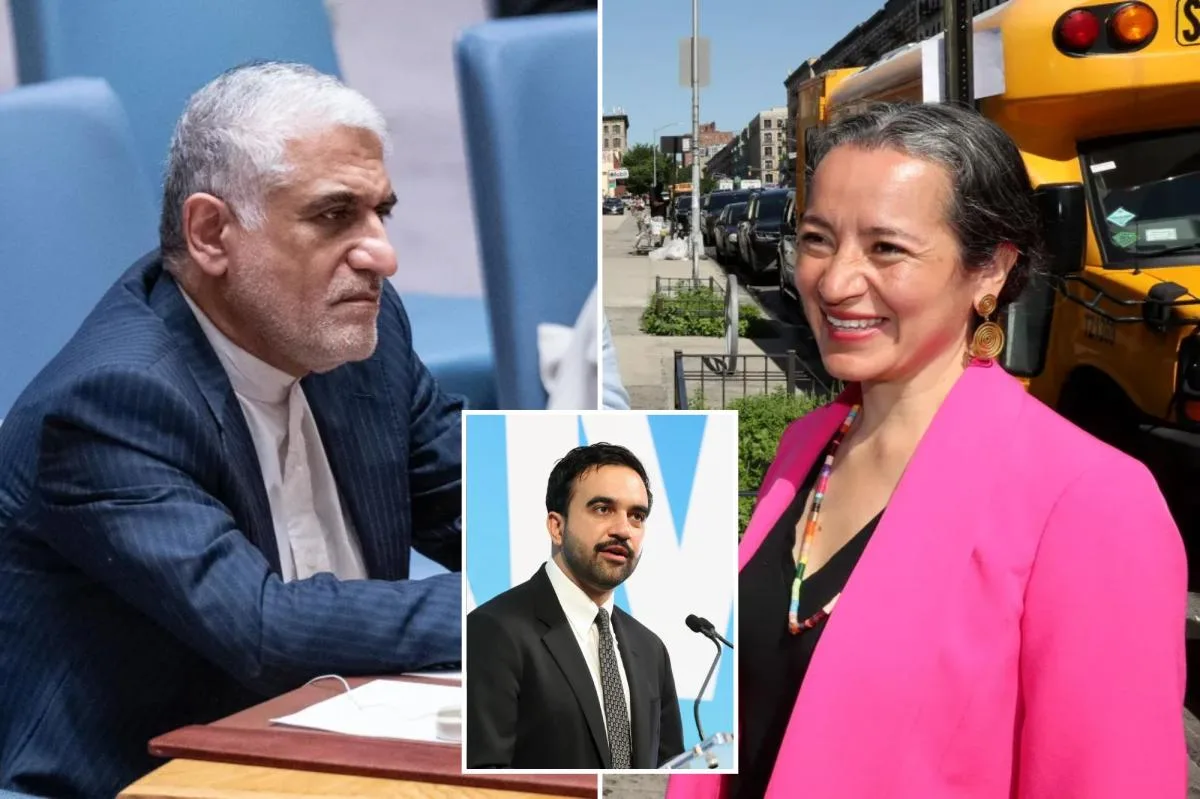
A top official within New York City’s Office for International Affairs scheduled a private meeting with Iran’s ambassador to the United Nations, sparking internal reprimands and federal scrutiny. The planned discussion, set to take place at the UN headquarters, was abruptly canceled after the U.S. State Department intervened, emphasizing protocols for engaging with foreign representatives.
Commissioner Ana María Archila intended to meet with Amir-Saeid Iravani alongside two other senior aides in the mayor’s international affairs team. This meeting was reportedly arranged without informing NYC Mayor Zohran Mamdani, an oversight that led to an internal reprimand and orders to cancel the talk. Sources familiar with the mayor’s office confirmed these details while officials within the State Department expressed surprise at being kept out of the loop.

Documents reviewed by City Journal revealed that the mayor’s Office for International Affairs had recently issued guidance encouraging staff to prioritize engagements with foreign officials who share leftist political views. This practice deviates from the traditional role of the office, which focuses on fostering diplomatic ties that benefit the city broadly—such as sharing municipal best practices, attracting international business, and maintaining relations with New York’s diplomatic community, regardless of political orientation.
The choice of Archila to oversee these international dealings has drawn attention because she lacks previous diplomatic experience, setting her apart from typical appointees in this arena. The canceled meeting with Iran’s UN envoy highlights tensions between local initiatives and federal oversight in managing foreign relations, particularly with countries subject to U.S. sanctions and diplomatic restrictions.
The episode underscores challenges faced by municipal governments when engaging with foreign diplomats who represent complicated or adversarial regimes, as well as the sensitivity required in coordinating such interactions with national authorities. The State Department’s involvement signals heightened monitoring of unconventional contacts that could affect broader U.S. foreign policy objectives.