

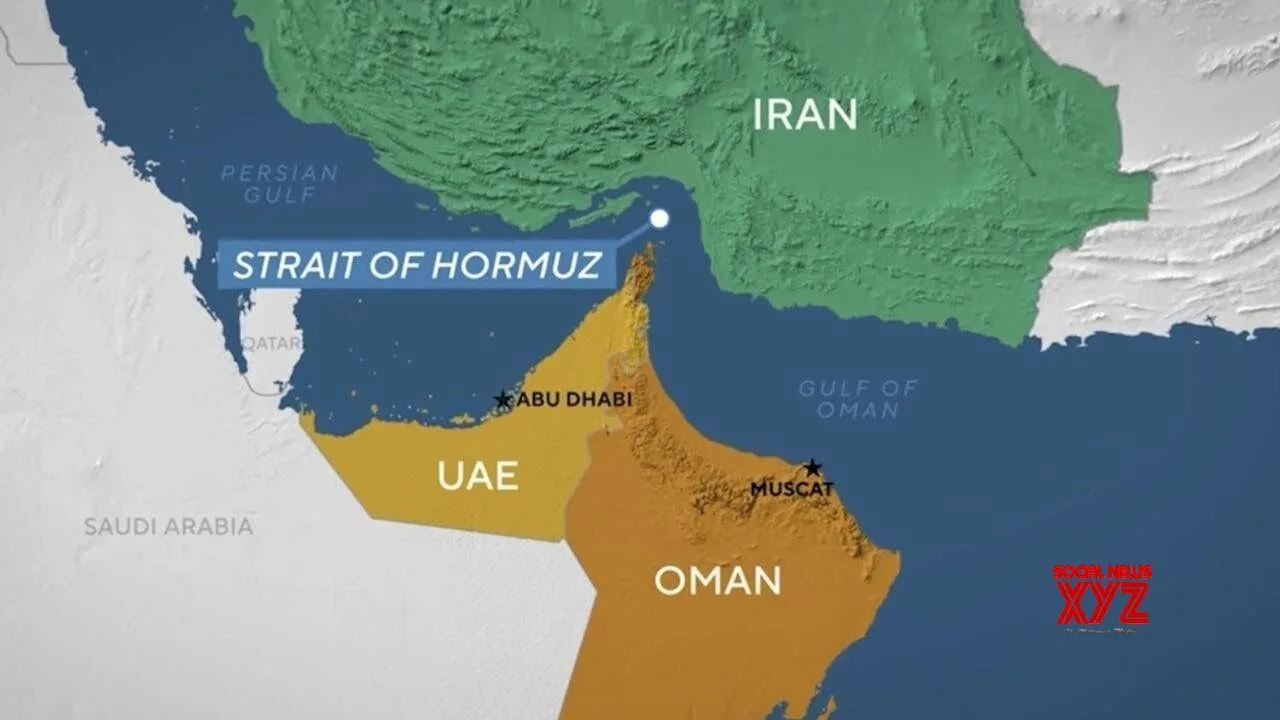
Iran and Oman are close to finalizing an agreement to jointly reopen and manage the Strait of Hormuz, a pivotal maritime chokepoint for international oil shipments. The announcement came from Iran’s foreign minister, signaling progress in diplomatic discussions aimed at securing safer navigation through the narrow waterway.
The Strait of Hormuz connects the Persian Gulf with the Arabian Sea and serves as a critical transit route for a large share of the world’s petroleum exports. Ensuring its operational stability has long been a priority amid regional tensions and past blockades or threats to shipping traffic.

This forthcoming deal would mark a significant move towards collaborative oversight between Iran and Oman, which borders the strait to the south. Joint management could involve coordinated patrols and regulatory measures to prevent disruptions and enhance maritime security. The details under negotiation remain under wraps, but the cooperation underscores the strategic importance both countries place on maintaining open and secure passage.
The Strait of Hormuz consistently draws global attention due to its impact on energy markets and international trade routes. Disruptions here have historically led to spikes in oil prices and escalated geopolitical conflicts. A formalized partnership between Iran and Oman over the strait could reduce uncertainties for commercial vessels and allied nations reliant on the flow of goods through this maritime corridor.
While no exact timeline has been disclosed, the nearing agreement signals a diplomatic breakthrough that may help ease regional tensions. Observers will watch closely to see how this bilateral arrangement influences broader security dynamics in the Gulf region and global energy transportation.