

Tehran is carefully assessing the latest response from the United States, delivered through mediator Pakistan, regarding a proposed framework to end the ongoing conflict. Iranian officials emphasize that all diplomatic options with Washington remain open, even as the risk of escalated confrontation persists in the region.
The Iranian Foreign Ministry confirmed it is reviewing the US counterproposal, signaling continued engagement despite criticism from Tehran that Washington seeks to pressure Iran into submission. Iran’s president reiterated that any attempt to force Tehran to surrender is unrealistic.

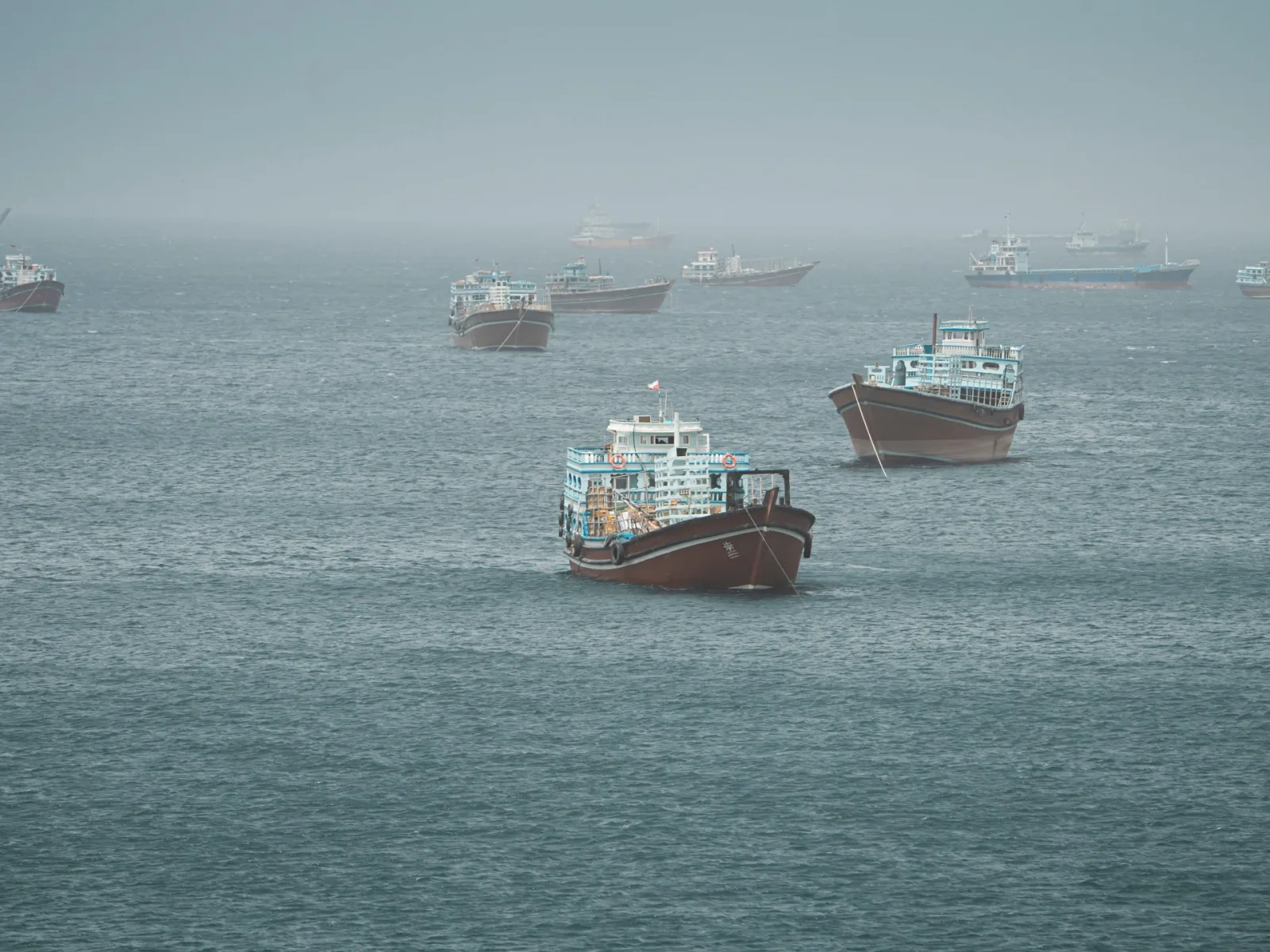
Meanwhile, the newly formed Persian Gulf Strait Authority announced a significant move to tighten control over the Strait of Hormuz, a vital global shipping route. Under the new rules, vessels must obtain official permission before transiting the waterway. Failure to comply will render passage illegal, according to the authority, raising concerns about potential disruptions to maritime traffic.
The Islamic Revolutionary Guard Corps (IRGC) Navy reported that in the past day, over two dozen ships, including oil tankers and container vessels, navigated the Strait of Hormuz under IRGC security coordination. This development underscores Iran’s intent to exert stricter oversight over this strategic chokepoint amid the ongoing conflict.
On the diplomatic front, Pakistan’s Interior Minister has traveled to Tehran again this week to facilitate dialogue between Tehran and Washington amid stalled negotiations. The Pakistani government plays a mediating role, attempting to bridge the gap between the two sides as Iran continues to demand a ceasefire arrangement.
Adding to regional tensions, Israel faces international criticism after video footage circulated showing its far-right National Security Minister seemingly taunting detainees from a Gaza-bound aid flotilla. This incident has intensified scrutiny over Israel’s handling of activists linked to the Palestinian cause and risks further inflaming regional sensitivities.
Iranian political leaders, including its parliamentary speaker and chief negotiator, accused the US of maintaining military ambitions despite economic and political pressure. They assert that Washington aims to provoke renewed conflict, with Iran standing firm against what it views as coercive tactics.