

Iran declared it will soon implement a toll system to regulate maritime traffic through the Strait of Hormuz, signaling a hardening stance on one of the world’s most strategic waterways. Iranian officials emphasized that only commercial vessels and those cooperating with Tehran would benefit from the new traffic management plan, which involves fees for specialized services.
This announcement comes amid strong warnings from the United States, with President Donald Trump cautioning Tehran that failure to reach a peace deal could lead to severe repercussions. Iran’s First Vice President asserted that military equipment belonging to “enemy” forces would no longer be permitted to pass through the strait, highlighting growing regional tensions.

Behind the scenes, Iranian and European diplomats have reportedly engaged in preliminary talks regarding transit through the strait. Iranian state media noted that East Asian countries such as China, Japan, and Pakistan had already coordinated with Tehran, and now some European nations are entering negotiations with the Revolutionary Guard’s naval forces. This reflects Iran’s broader strategy to assert control over the vital shipping lane that accounts for a significant portion of global oil transport.
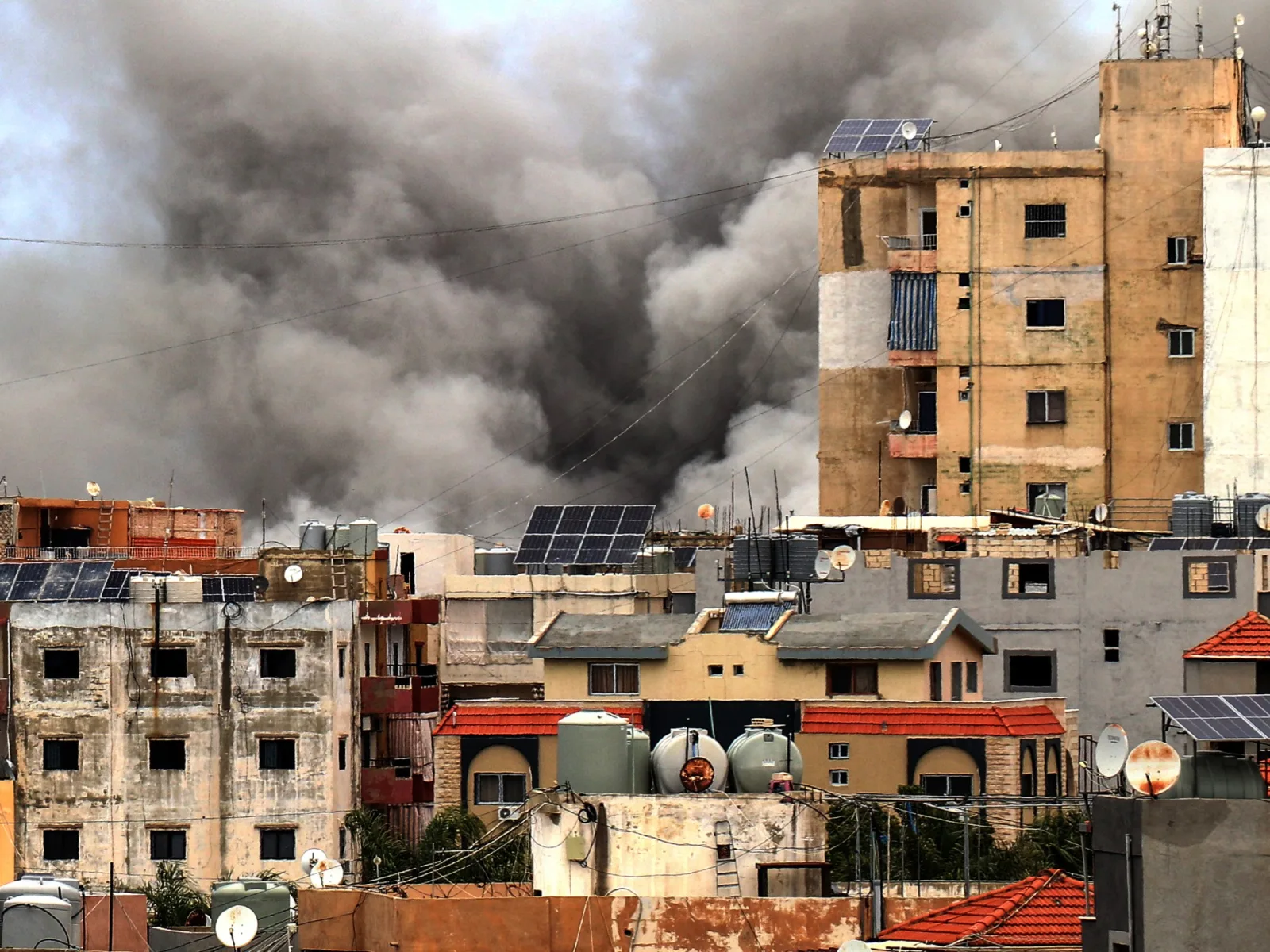
Meanwhile, hostilities persist in the Middle East. Israeli forces continued their air campaign in southern Lebanon, targeting the town of Zawtar al-Sharqiyah. Israeli military officials also reported a casualty among their troops, marking ongoing conflict in the region. These developments unfold against a backdrop of stalled peace efforts, despite a fragile ceasefire between Iran and the US.
Pakistan is seeking to play a diplomatic role in de-escalating tensions. Its Interior Minister arrived in Tehran to support stalled peace talks between the two nations, following a recent visit by Pakistan’s military chief aimed at facilitating dialogue. These efforts come as the US Navy completes a prolonged deployment that reinforced its presence in the region, including maritime operations impacting Iranian ports.
In addition to geopolitical conflict, Iran is preparing its national soccer team for international travel as part of broader national activities, indicating that normal state functions continue despite the heightened tensions.