

An Iraqi national stands accused of leading a broad campaign of terror attacks targeting Jewish communities and US interests, according to a federal complaint unsealed in Manhattan. Mohammad Baqer Saad Dawood Al-Saadi allegedly coordinated at least 18 attacks throughout Europe, including a firebombing in Amsterdam and stabbings of Jewish men in London, while also plotting assaults in North America.
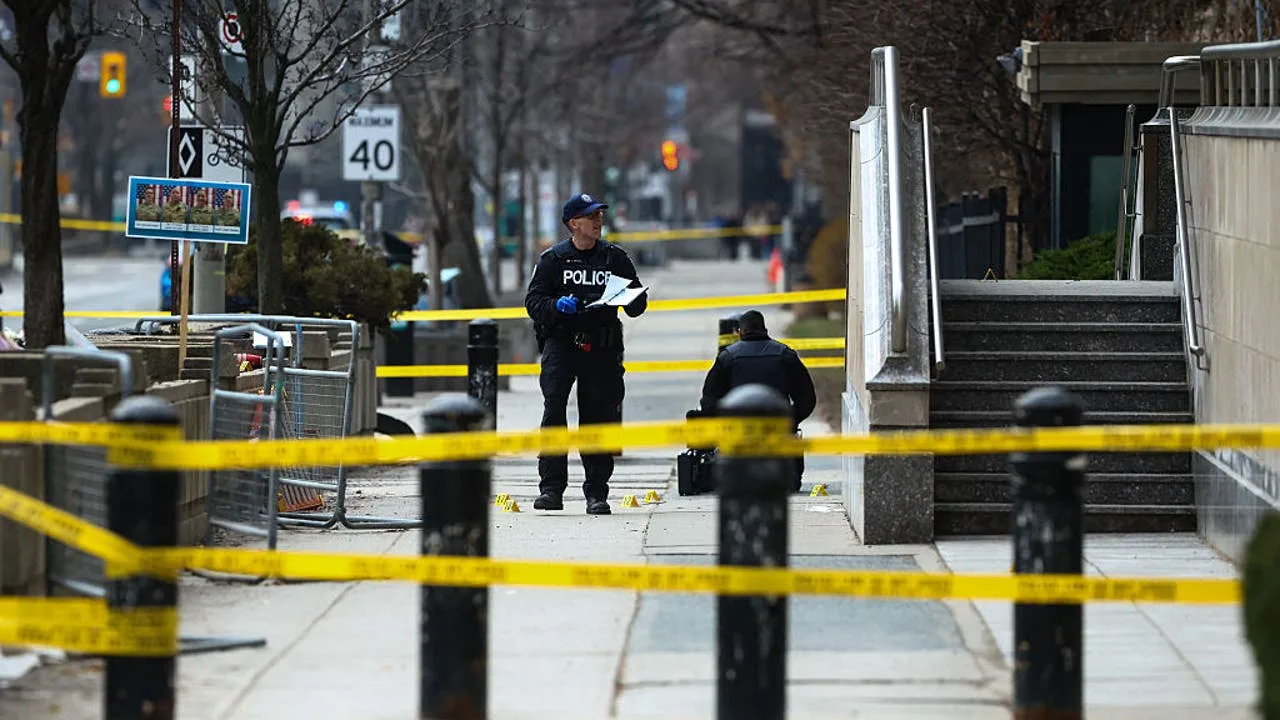
Authorities say Al-Saadi planned an attack on a New York City synagogue last month and provided an undercover officer with detailed information on Jewish centers in Los Angeles and Scottsdale, Arizona. He is further implicated in violent incidents in Canada, including a synagogue attack and a shooting at the US consulate in Toronto earlier this year. Prosecutors accuse him of urging others to carry out killings against Americans and Jews as part of Iran’s campaign against its adversaries.

Al-Saadi is charged with conspiracy to provide material support to Kata’ib Hizballah and Iran’s Islamic Revolutionary Guard Corps, both designated as foreign terrorist organizations by the US government. He allegedly served as a commander within Kata’ib Hizballah, an Iraqi Shia militia supported by Tehran. His charges include conspiring to commit acts of terrorism and conspiring to bomb public places, offenses that carry potential life imprisonment.
The FBI described Al-Saadi as a high-value global terrorist responsible for orchestrating widespread violence connected to Iran’s proxy groups. Their director praised the arrest as the result of a carefully executed mission involving multiple law enforcement partners. New York City police officials highlighted how the case reveals the persistent danger posed by the Iranian regime and its armed affiliates abroad.
Evidence against Al-Saadi includes social media posts on platforms like Snapchat and Telegram discussing attacks, as well as recorded phone calls from an FBI informant involved in plotting violence on US soil. He expressed willingness to kill during these planned attacks, underscoring the severity of the threat he posed.
During his initial court appearance, Al-Saadi remained silent but smiled. Through legal counsel, he declared himself a political prisoner and prisoner of war, alleging persecution linked to his association with Qasem Soleimani, the late leader of Iran’s Revolutionary Guard who was killed by a US drone strike.