

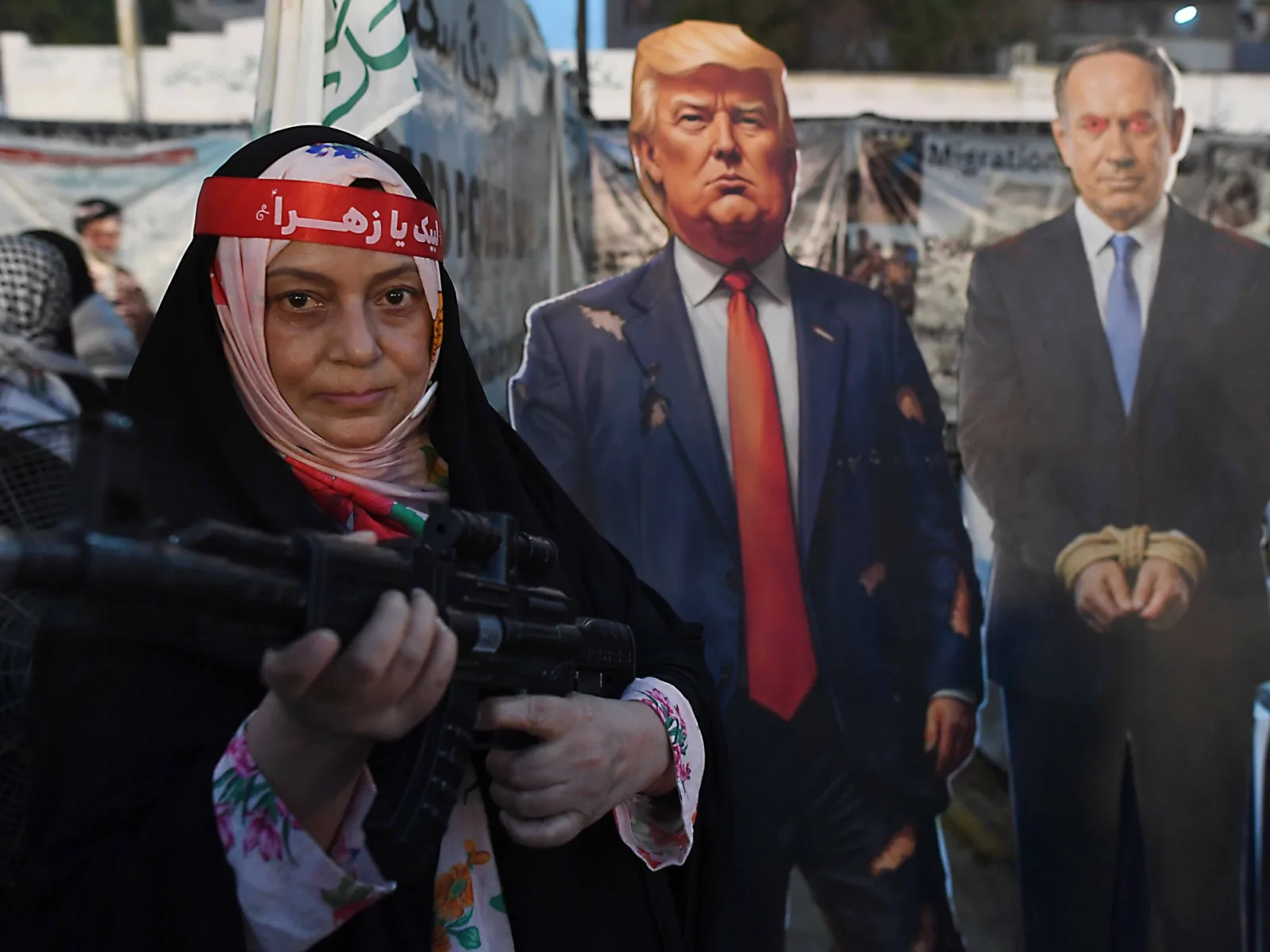
Israel’s political leadership appears eager to reignite conflict with Iran, but its ability to act is constrained by US resistance to renewed military escalation. Recent reports revealed that a prominent Israeli broadcaster disclosed alleged confidential plans targeting an Iranian uranium storage site, underscoring the intensity of Israel’s hawkish stance. However, the leak sparked backlash from Israeli lawmakers, forcing the anchor to clarify that his remarks were speculative.
Meanwhile, efforts by the United States to secure a ceasefire with Iran have sidelined Israeli priorities. A recent call between Israeli Prime Minister Benjamin Netanyahu and US President Donald Trump reportedly left Netanyahu frustrated over Washington’s insistence on diplomacy over strikes. This tension reflects deeper disagreements about how to handle Iran’s regional influence, despite substantial military aid and arms supplies Israel has received from the US over the years.

Israeli media coverage indicates intense discussions within the security cabinet about possibly resuming hostilities. Yet Iran’s continued ability to deter attacks through regional proxy strikes and strategic moves like closing the Strait of Hormuz complicates any swift Israeli military action. The prospect of another prolonged conflict faces considerable opposition in Washington, worried about the high costs and uncertain outcomes of war with Tehran.
Domestically, the ceasefire reached in April has become a political flashpoint in Israel. Opposition figures have criticized the truce as damaging to national security, accusing Netanyahu of weakness. Public opinion polls reflect this discontent, with many Israelis viewing the ceasefire as premature and expressing support for resuming the war with Iran. Analysts connect this sentiment to a deeply rooted Israeli perception of Iran as an existential threat, a viewpoint reinforced over decades and highlighted in scholarly works documenting intense Iranian fear within Israeli society.
The internal debate reveals uncertainty over what a lasting solution to the conflict with Iran might look like. While political leaders and the public share apprehensions about Tehran, there remains little consensus on how to move forward safely and effectively under current geopolitical constraints. For now, the US-imposed ceasefire framework shapes the immediate landscape, limiting Israel’s maneuvering room despite its vocal advocacy for military action.