

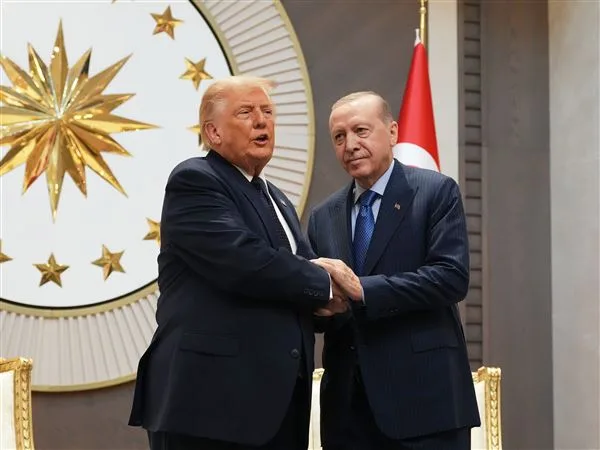
NATO has disclosed multiple arms agreements valued in the billions as part of its effort to strengthen collective defense capabilities among member states. This push to boost military firepower comes amid geopolitical challenges and internal debates over strategic priorities.
At the same time, former U.S. President Donald Trump has once again called for the United States to acquire Greenland, signaling ongoing interest in the Arctic region’s geopolitical importance. His renewed demand underscores the strategic competition involving NATO allies and the United States over critical territories.

The arms deals include advanced weaponry and defense systems intended to modernize NATO forces and enhance interoperability across Europe and North America. This expansion of military capability is seen as a response to rising tensions with rival powers. Various countries within the alliance are expected to benefit from the contracts, which also aim to reassure member states about NATO’s commitment to collective security.
Turkey’s position within NATO plays a crucial role in these developments, as Ankara continues to navigate its relationship with both Western allies and regional partners. The arms contracts reflect a balancing act among NATO members to address external threats while managing internal political complexities.
Additionally, European leaders, including the Netherlands' Prime Minister, have expressed support for strengthening NATO’s military posture amid an evolving security landscape. These moves illustrate a broader determination to maintain the alliance's relevance and deterrence capacity in an uncertain era.