

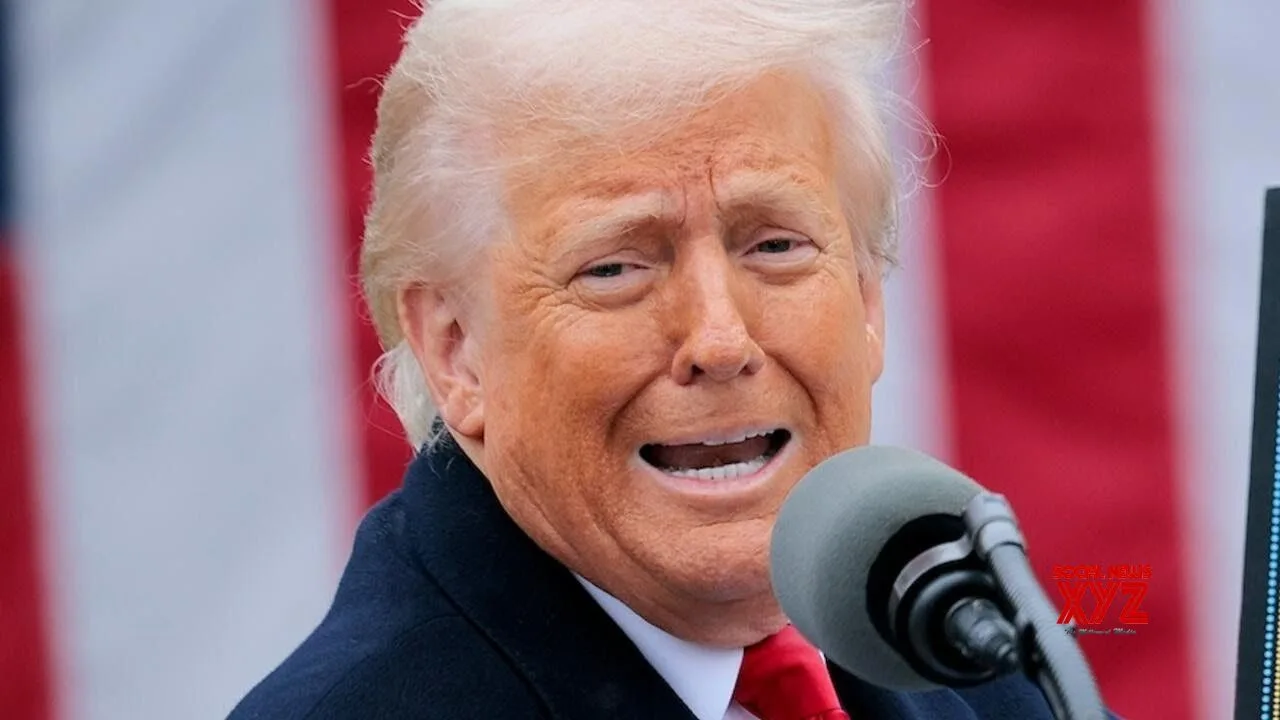
President Trump declared that the ceasefire with Iran has ended, dismissing ongoing negotiations as unproductive. This abrupt statement sent shockwaves through global financial markets, causing oil prices to spike and stock indices to decline significantly. The announcement revived concerns about escalating tensions in the Middle East.
The immediate market response reflected fears of renewed conflict disrupting oil supplies from the region. Crude prices surged as investors anticipated possible supply constraints, while stock markets reacted negatively to the heightened geopolitical uncertainty. Traders and analysts closely monitored potential ripple effects on energy and global economic stability.

Trump characterized previous talks with Iran as a “waste of time,” conveying a hardening stance that signals a shift away from diplomatic efforts. This development comes amid an already fragile geopolitical environment, where ceasefire agreements play a crucial role in maintaining regional stability. The renewed unrest could complicate international relations and energy markets alike.
The volatility underscores the sensitive link between Middle East dynamics and global economic health. With oil markets particularly vulnerable to conflicts in the region, the end of the ceasefire raises concerns for energy prices and supply chains worldwide. Investors and policymakers are likely to monitor developments closely in the coming days.