

Pakistan’s geopolitical significance continues to shape U.S. military strategies in the Middle East and Asia. Despite not hosting permanent American bases, Pakistan’s cooperation has been instrumental in multiple U.S. operations, from Cold War surveillance missions to recent actions near Iran. Its unique position, bordering Iran and maintaining ties with both Tehran and Washington, makes it a vital intermediary in regional conflicts and negotiations.
This dynamic was underscored during the recent U.S. strikes on Iranian missile sites near the Strait of Hormuz. Taking place amid a fragile ceasefire, these operations highlight the ongoing tensions between Washington and Tehran. While Iran resists international demands to dismantle its missile and nuclear capabilities, the U.S. remains reluctant to escalate to a full-scale ground invasion, instead relying on regional partners like Pakistan to influence outcomes and safeguard strategic interests.

Pakistan’s long-standing role in American military strategy dates back to the Cold War. Unlike India’s leadership of the Non-Aligned Movement, Pakistan aligned closely with the United States, joining the Baghdad Pact—an alliance aimed at curbing Soviet influence in the Middle East. Its geographic proximity to Soviet borders offered critical strategic advantages, enabling surveillance flights and intelligence collection.
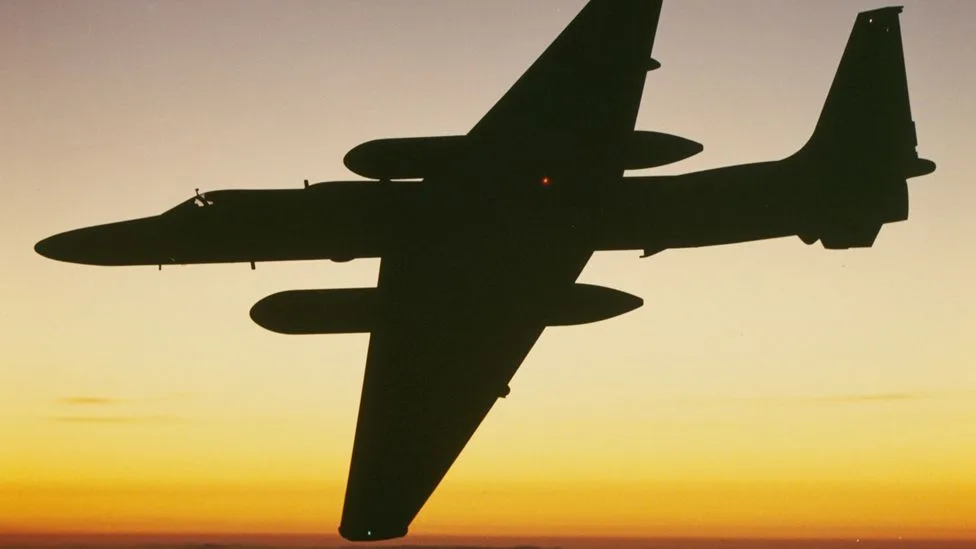
One defining moment occurred in 1960 when a U.S. Lockheed U-2 spy plane took off from Pakistan’s Peshawar Air Base to gather reconnaissance over Soviet territory. The mission ended with the aircraft being shot down, exposing Pakistan’s pivotal but covert role in U.S.-Soviet tensions. This incident marked the beginning of Pakistan’s enduring importance as a logistical and diplomatic partner in U.S. foreign policy.
Since then, Pakistan’s strategic cooperation has extended across multiple arenas: supporting U.S. efforts against Soviet forces in Afghanistan during the 1980s, facilitating détente with China, and participating in the War on Terror after 2001. Its position near Iran now places Islamabad at a critical juncture once again, mediating between Washington and Tehran while managing its own regional interests.
Islamabad’s relationship with both countries played a key role in brokering the recent ceasefire announced earlier this year, showing its capacity to serve as a mediator in high-stakes conflict resolutions. This dual diplomacy underlines Pakistan’s status as a recurring U.S. “trump card” in balancing power in volatile regions without direct military engagement.