

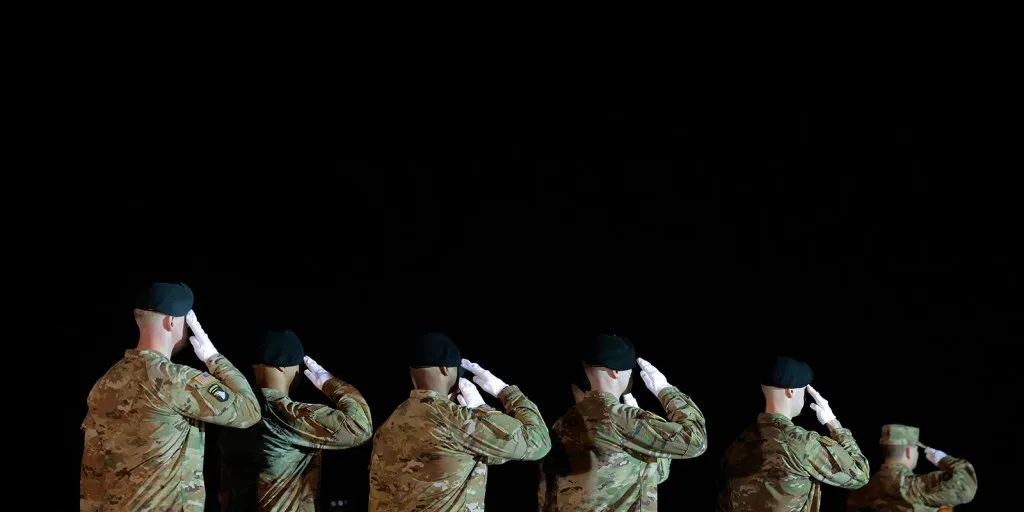
As the nation observes Memorial Day, attention turns not only to honoring fallen service members but also to how the Pentagon addresses civilian casualties in ongoing conflicts. Critics urge the military to openly acknowledge mistakes causing Iranian civilian deaths and injuries, emphasizing the need to uphold both legal standards and American values in warfare.
One of the most pressing concerns is the lack of formal acknowledgment from U.S. authorities regarding incidents such as a missile strike that reportedly killed nearly 200 Iranian girls and their teachers at the war’s outset. Additionally, allegations confirmed by media reports cite that U.S. forces have struck dozens of civilian schools and medical centers in Iran, raising questions about compliance with the laws of armed conflict.

Compounding these issues is the reported dismantling of the “Civilian Harm Mitigation and Response” program under the Trump administration, which was designed to reduce civilian deaths caused by military operations. According to an internal Department of Defense review, this program’s weakening has rendered it ineffective as well as legally deficient. Meanwhile, public statements by senior military officials have failed to convincingly address civilian harm, undermining confidence in operational integrity. For example, when questioned about collateral damage, the top U.S. Central Command commander responsible for Iran operations denied evidence of attacks on civilian infrastructure despite credible reports, causing concern among lawmakers and the public.
There is further unease over past threats by political leadership to target Iranian civilian infrastructure, such as power plants, which would violate international law and harm innocent populations. Military leaders have yet to clearly repudiate such tactics or reaffirm the U.S. commitment to ethical conduct in warfare.
To truly honor those who have sacrificed their lives, some experts insist the Pentagon must recommit to transparency and moral responsibility. This includes promptly investigating civilian harm incidents, issuing apologies where appropriate, and restoring robust programs focused on minimizing noncombatant injuries. Such steps would not only reinforce the military's values but also enhance trust among service members, the American public, and international partners.