

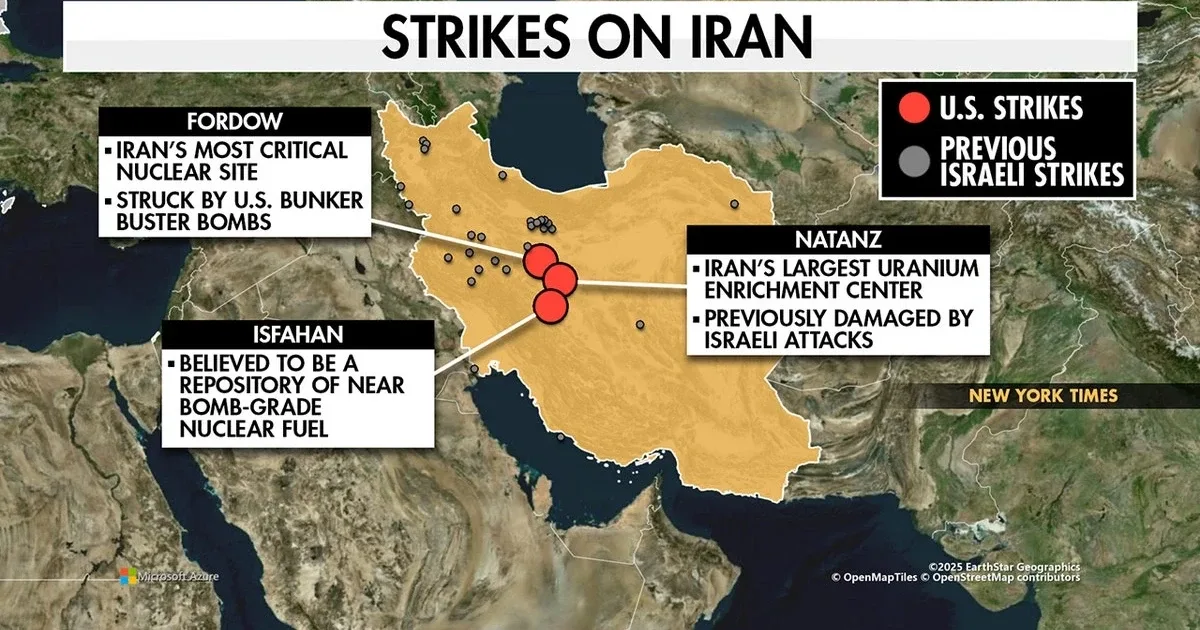
Fresh hostilities between the United States and Iran have challenged a fragile truce established in mid-June, suggesting the fragile peace talks may be unraveling. U.S. forces targeted approximately 90 sites within Iran, while Tehran responded with missile and drone attacks on American military bases in Kuwait and Bahrain. These exchanges marked the most serious breach of the ceasefire since its adoption, testing the limits of whether the conflict can remain limited.
The ceasefire, formalized through a memorandum of understanding, set up a High-Level Committee tasked with addressing nuclear concerns, sanctions, and dispute resolution. This framework, mediated by Pakistan and Qatar, aimed to sustain dialogue between the two adversaries following indirect talks that concluded without substantial breakthroughs. However, the renewed military strikes occurred only days after the talks ended on July 1, highlighting the tenuous nature of the agreement.

Complicating the picture, former U.S. President Donald Trump publicly declared the ceasefire “over” during a speech in Ankara, adding ambiguity to American intentions. His remarks hinted at a possible shift toward a more confrontational stance, intensifying fears that isolated incidents could escalate into a larger conflict. The language also blurred the distinction between calibrated military responses designed to signal resolve and genuine escalations that risk wider regional destabilization.
Central to the broader conflict remains the Strait of Hormuz, a critical gateway for global oil shipments. The initial June agreement to reopen this passage had temporarily steadied energy markets, but ongoing tensions threaten to disrupt this vital chokepoint again. Any renewed hostility there could have immediate consequences on shipping routes and worldwide energy prices.
Alongside the military confrontations, the United States continues to enforce stringent sanctions against Iran, targeting its digital currency platforms, oil trade networks, and energy smuggling operations. These sanctions form an integral part of Washington’s pressure strategy and run concurrently with diplomatic efforts, making each missile strike or counterattack a negotiating tool as much as a military act.