

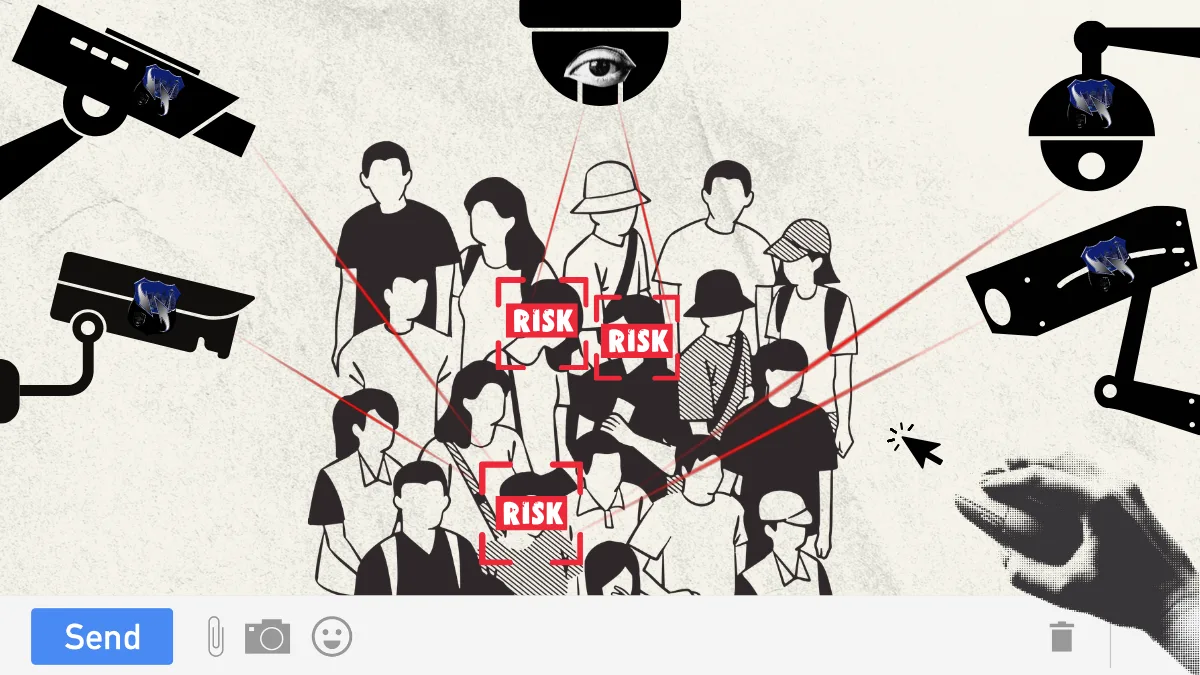
Seattle’s intelligence-sharing network, Seattle Shield, integrates public agencies with private corporations, including Amazon, Facebook, and Immigration and Customs Enforcement (ICE), creating a complex web of information exchange directed by the Seattle Police Department.
Established in 2009 and managed without dedicated funding, Seattle Shield aims to foster collaboration aimed at preventing acts of terrorism by soliciting reports of suspicious activity from both public and private sector participants. However, details about how this information is used and the program’s impact remain undisclosed, with the Seattle Police Department and corporate members declining to comment.

Documents obtained through public records reveal a membership roster that spans military intelligence officials, nonprofits, private security firms, and major tech and real estate companies. Despite the scope of this network, prominent civil liberties organizations have only recently acknowledged the program, indicating it has operated largely under the radar.
In recent years, Shield reports predominantly focused on monitoring protests and potential disruptions caused by public demonstrations across Seattle. One communication from 2025 highlighted events tied to the anniversary of a Middle Eastern conflict, detailing violent incidents against Jewish communities in other U.S. cities while omitting references to related anti-Muslim or anti-Palestinian violence nationwide.
Seattle Shield’s blend of law enforcement and private-sector intelligence gathering reflects a broader national trend of surveillance partnerships justified by counterterrorism aims. Nonetheless, transparency about accountability mechanisms and the safeguards governing information sharing remains limited.