

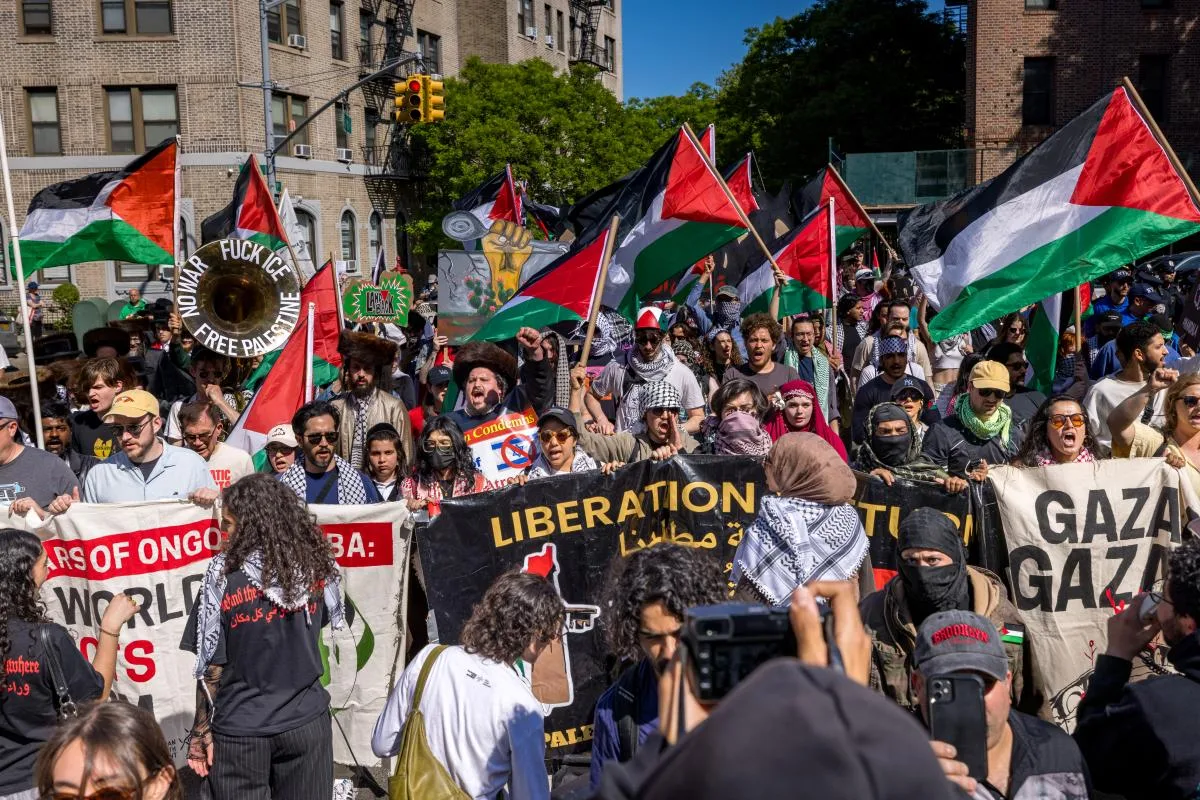
The intense scrutiny and condemnation directed at Israel since the October 7 attack contrast sharply with the silence or indifference toward other historic and ongoing instances of ethnic cleansing and state violence worldwide. Critics have portrayed Israel and its supporters in extremes, accusing them of genocide and fascism, yet often overlook far more egregious actions by other governments.
For instance, the Turkish government conducted a genocidal campaign against Armenians between 1915 and 1920, an atrocity it denies to this day without apology. Despite Turkey’s continued military partnerships with the United States and arms sales, this history rarely features in American protests or media discussions, in stark contrast to the constant focus on Israel. Additionally, Turkey’s invasion and ethnic cleansing of Greek populations in Northern Cyprus receive little public or activist attention.

The neglect of other displaced communities is similarly glaring. Before the Arab-Israeli wars of the 20th century, nearly a million Jews lived in Middle Eastern and North African countries. These longstanding Jewish communities were expelled or fled largely unnoticed by the global human rights apparatus. Their losses and displacement rarely enter public discourse or motivate protests, even though their homes and properties were confiscated. Likewise, Somalia’s brutal clan-based purges under Mohamed Siad Barre caused massive civilian deaths and displacement, yet Somali refugees, including families formerly linked to his regime, have found refuge in the West without facing widespread scrutiny or blame.
This selective outrage exposes a double standard. While Israel faces relentless international criticism, often framed in extremes, the histories of other nations’ ethnic violence and forced population displacements are largely ignored. The focus on Israel tends to disregard the broader, complex realities of regional conflicts, historical grievances, and geopolitical alliances that shape global responses.