

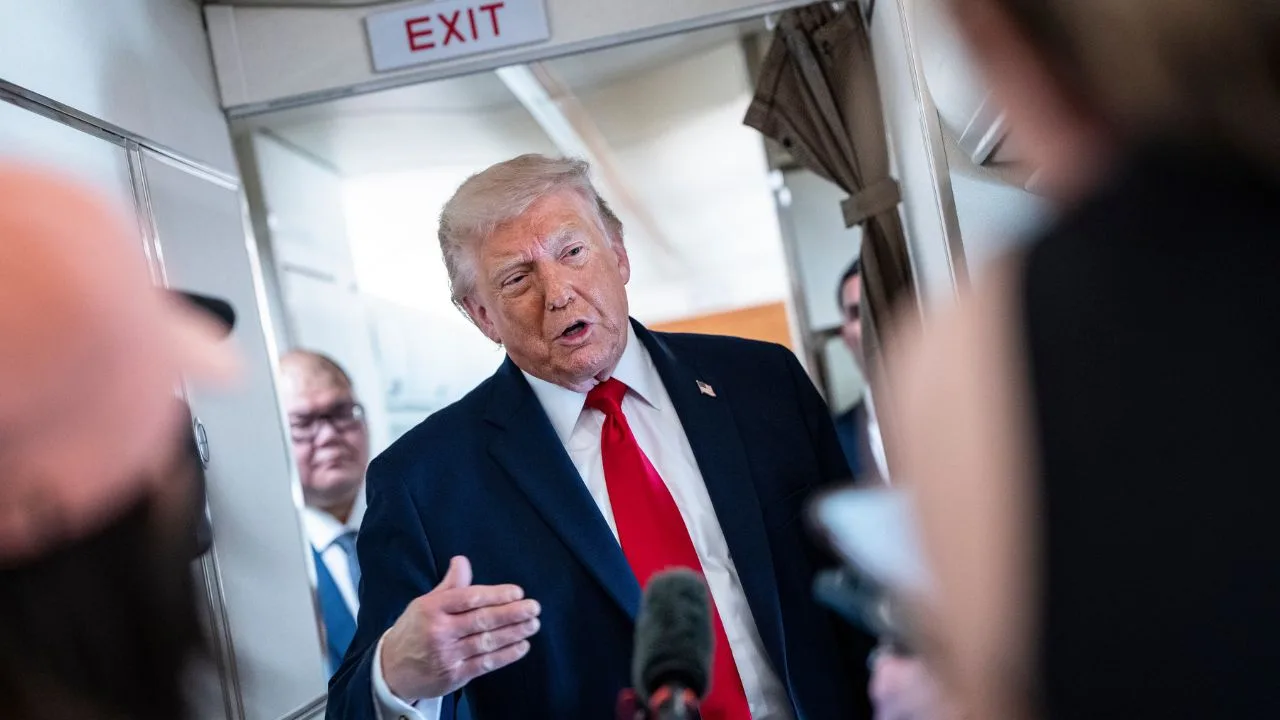
Recent exchanges of fire between Israel and Iran have exposed a growing rift between Washington and Tel Aviv regarding their approach to the ongoing conflict. Despite previous collaboration in launching military action against Iran, President Donald Trump publicly criticized Israel’s latest strikes and urged both sides to cease hostilities immediately.
Trump’s unease with Israel’s aggressive tactics surfaced following Israel’s air raids near Beirut, targeting Iranian-backed Hezbollah positions in Lebanon. This counterattack by Iran marked one of the first escalations since a ceasefire brokered in April. However, Trump’s efforts to pressure Prime Minister Benjamin Netanyahu to halt further strikes appear limited, highlighting challenges in controlling Israel’s operational decisions on the ground.

The US president emphasized a tentative hope for peace talks, describing them as close to resolution but vulnerable to missteps. Meanwhile, Israel’s government has maintained that its actions constitute self-defense, with its defense minister suggesting as recently as April that approval from the US was key before large-scale operations against Iran. Nevertheless, analysts argue that Netanyahu may proceed with military actions independent of US consent, reflecting a strained alliance.
Experts on Middle Eastern affairs note that while Israel influenced Trump’s initial decision to engage militarily with Iran, the president’s control over the situation has weakened amid persistent Israeli incursions. The complexity of this dynamic is underscored by recent exchanges involving Hezbollah rocket fire into northern Israel and subsequent retaliatory airstrikes on a Beirut suburb known as a Hezbollah stronghold.
Though it remains unclear whether the Trump administration formally endorsed Israel’s recent operations in Lebanon and Iran, skepticism persists about Washington’s ability to deter Israeli military initiatives at this stage. The conflict’s persistence challenges US diplomatic efforts aimed at ending hostilities and raises questions about the future coherence of the US-Israel partnership in managing Middle Eastern wars.