

President Donald Trump explicitly suggested that he could initiate military action against Cuba, a move that would break with decades of U.S. presidents who considered but refrained from intervention. Speaking in the Oval Office, Trump remarked that while previous administrations debated such a measure for over half a century, it now appears that he may be the one to carry it out.
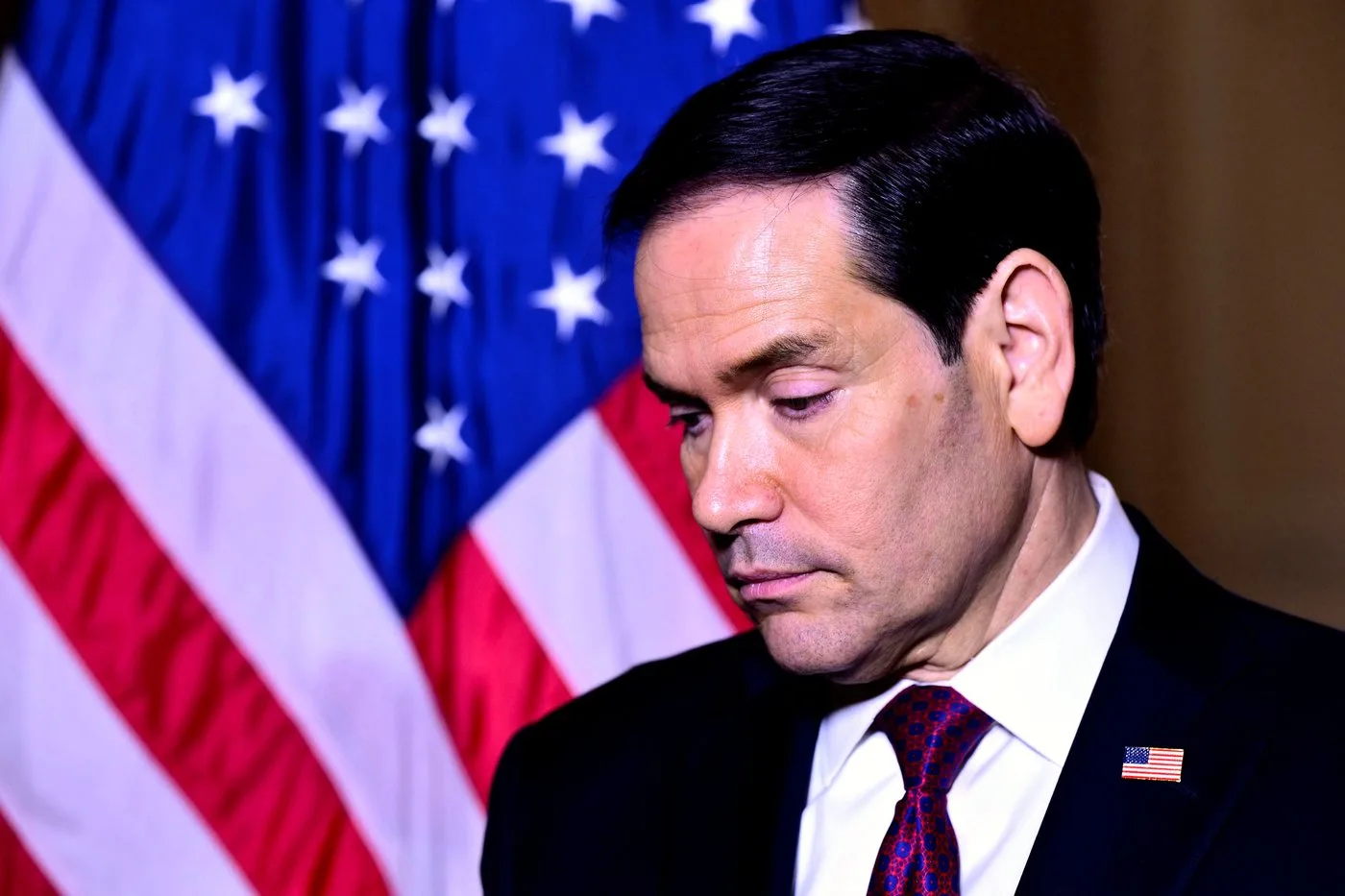
Meanwhile, Secretary of State Marco Rubio emphasized the persistent national security threat that Cuba poses due to its alliances with U.S. adversaries. Rubio, whose family background is rooted in Cuban exile, conveyed skepticism about the possibility of a successful diplomatic resolution with Cuba’s current government, despite the administration’s expressed preference for peaceful negotiation.

Recent months have seen high-level meetings between Trump administration officials, including Rubio and the CIA director, and Cuban representatives in an attempt to explore potential improvements in bilateral relations. However, the U.S. side reportedly left these talks unconvinced, prompting the imposition of additional sanctions against the Cuban government.
The urgency in Washington stems from a recent indictment against Cuba’s former leader, Raúl Castro, which accuses him of orchestrating the 1996 shootdown of civilian planes operated by Miami-based exiles. The charges, which include murder and destruction of aircraft, were revealed shortly before Cuban President Miguel Díaz-Canel denounced them as a politicized move.
Rubio underlined that although diplomacy remains the administration’s preferred approach, the president retains the authority to take any necessary action to protect U.S. national interests, indirectly reaffirming the threat of military consequences. He dismissed suggestions that such intervention would equate to nation-building, framing it instead as countering a significant security challenge.
Reacting to the long-standing tactics of the Cuban government, Rubio stated that Cuba can no longer rely on delaying strategies to outlast U.S. pressure. The administration’s firm stance signals a possible escalation in U.S.-Cuba relations as diplomatic avenues appear increasingly constrained.