

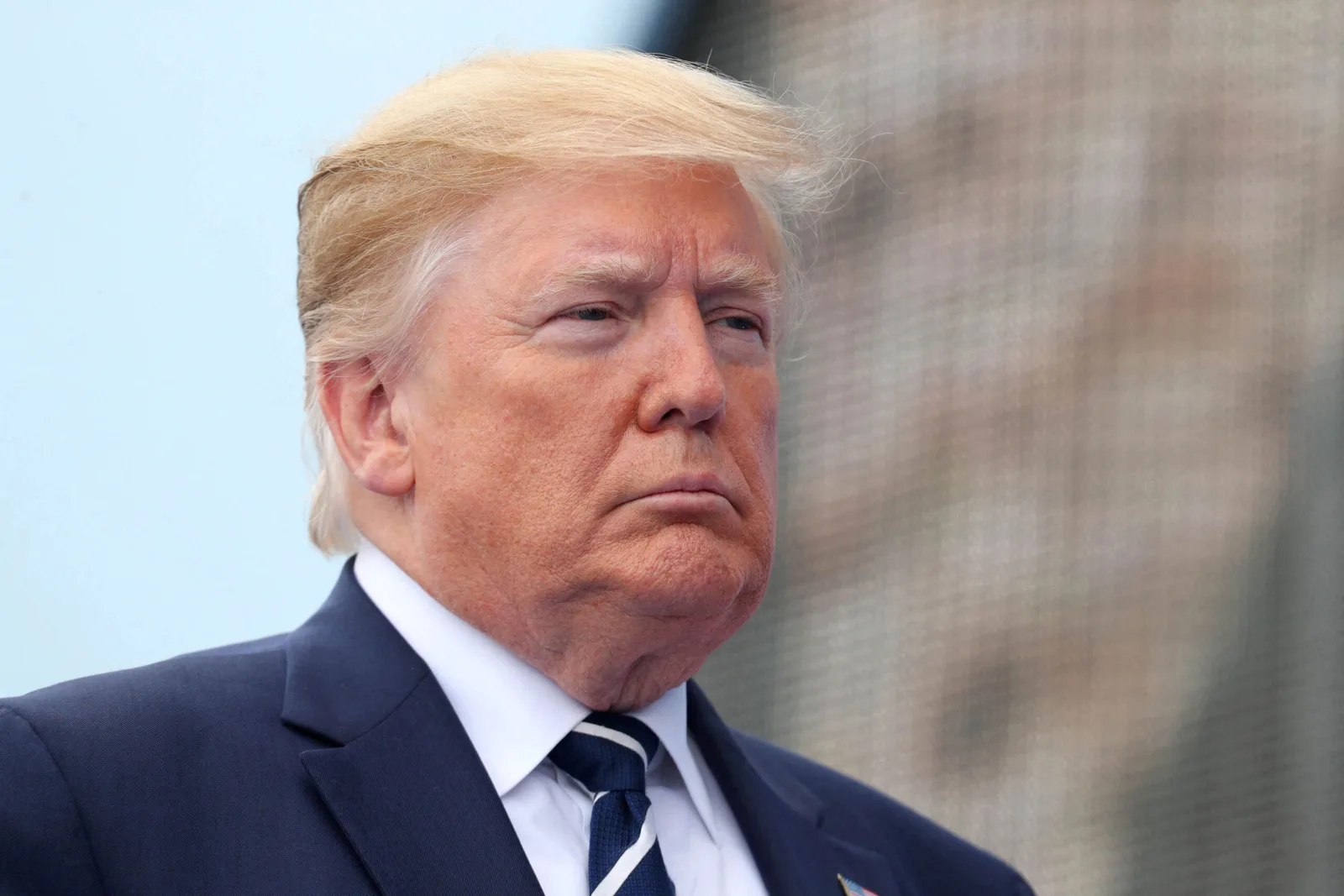
Donald Trump declared a comprehensive blockade on all Iranian shipping traffic through the Strait of Hormuz, signaling a sharp escalation in U.S. military and political pressure on Tehran. He emphasized that the strategically vital waterway remains open to all international vessels except those associated with Iran, effectively restricting Iranian cargo and port traffic.
The announcement came shortly after U.S. forces targeted dozens of Iranian sites in overnight strikes, reportedly resulting in casualties among Iranian military personnel. In turn, Iran vowed retaliation through attacks on U.S. installations across the Gulf, intensifying the volatile standoff in the region.

Trump credited key military leaders, including the Defense Secretary and Central Command officials, for restoring security in this critical maritime corridor. The blockade enforces naval restrictions imposed by U.S. Central Command, which took effect at midnight prior to the announcement.
In a shift from a recent proposal to impose a 20% U.S. transit fee on vessels passing through the Strait, Trump abandoned the controversial levy citing productive negotiations with Gulf allies. Instead, he emphasized upcoming trade and investment agreements with Middle Eastern partners that promise substantial economic engagement with the United States.
Trump framed the intensified measures as part of a broader campaign to prevent Iran from advancing nuclear capabilities and to end what he described as Tehran’s destabilizing influence and violence. The former president signaled a determination to disrupt Iran’s economic activities tied to the Gulf, underscoring the blockade’s strategic intent to isolate the regime further.