

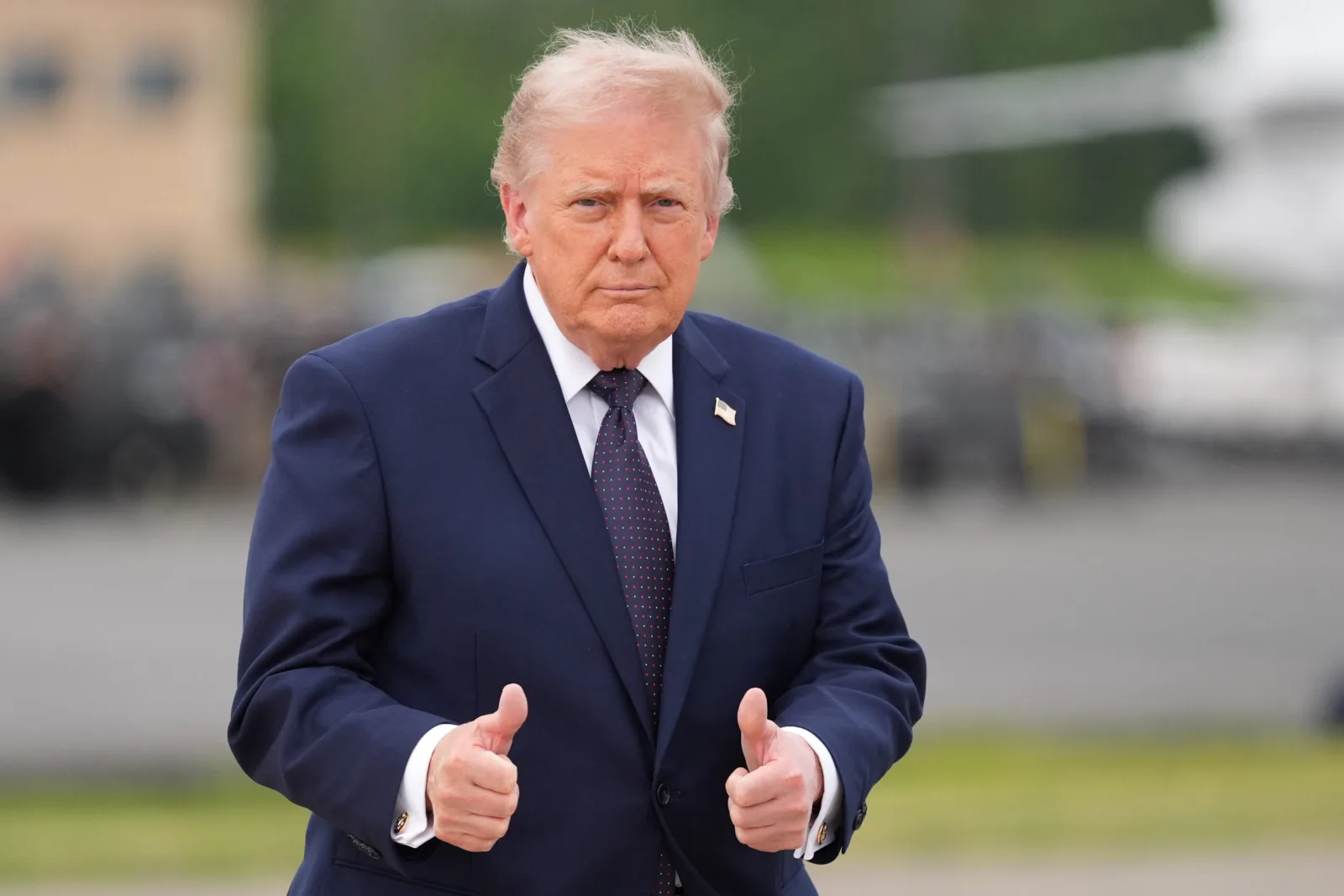
President Trump responded to conservative critiques of his administration’s ongoing Iran nuclear negotiations by emphasizing that the current deal differs fundamentally from the 2015 agreement signed under President Obama. Trump argued that, unlike the previous pact, his administration’s deal aims to prevent Iran from ever developing a nuclear weapon, describing it as "the exact opposite" of the former agreement.
Despite pushback from influential Republicans including former Secretary of State Mike Pompeo, Senator Ted Cruz, and Senator Lindsey Graham, Trump assured that the negotiations are proceeding carefully and deliberately. He stressed that his team has been instructed to avoid rushing into a premature agreement, highlighting that the blockade on Iran remains fully in effect until a deal is finalized, certified, and signed.

Trump also framed the evolving relationship with Iran as becoming more professional and productive, signaling a potential shift in diplomacy. He praised Middle Eastern nations for their cooperation thus far and noted the possibility of Iran joining the Abraham Accords, a landmark set of normalization agreements in the region.
Earlier announcements from Trump indicated that a peace deal was "largely negotiated" and close to completion, though key details remain under discussion and have yet to be disclosed. Secretary of State Marco Rubio echoed this uncertainty during a press briefing in India, stating that news on the deal’s finalization could emerge soon but was not guaranteed.