

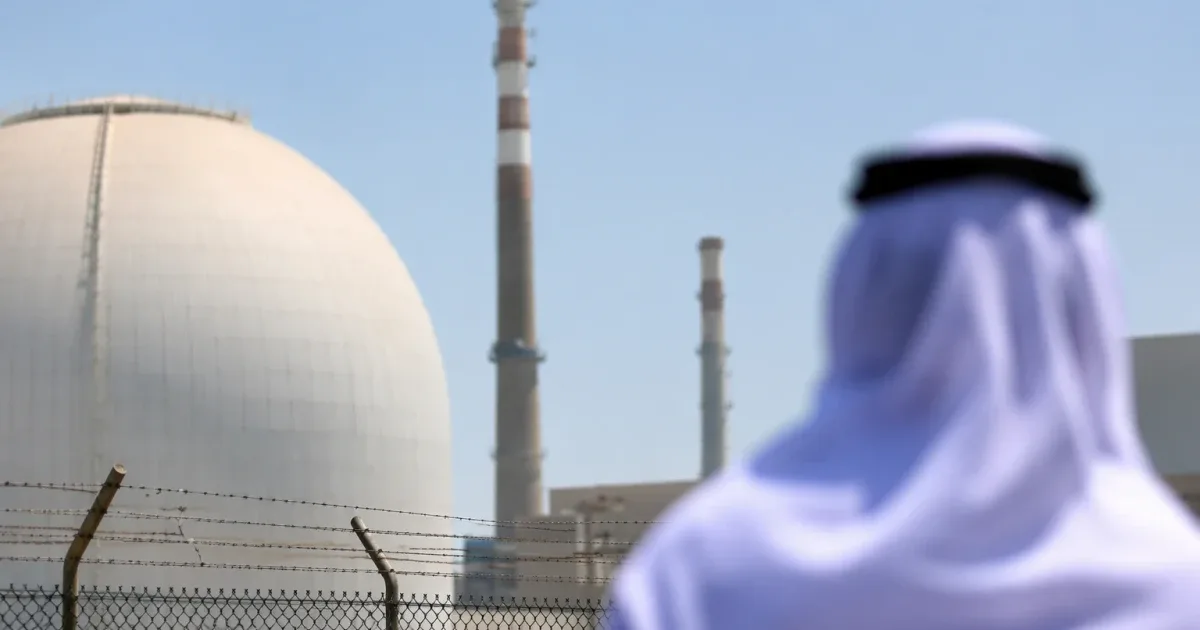
The future of the U.S.-Saudi Arabia civil nuclear cooperation agreement now hinges on Riyadh’s normalization of ties with Israel, following a shift in conditions announced by former President Donald Trump. This new linkage threatens to stall a pact that had been progressing toward congressional approval and raises concerns about regional stability and nuclear proliferation risks.
The pact, signed earlier but not yet finalized, was initially advanced without explicit connection to Saudi recognition of Israel. However, Trump reintroduced normalization as a prerequisite, reversing the Biden administration’s previous approach, which treated closer Saudi-Israeli relations as a broader U.S. national security interest but separated it from the nuclear deal’s technical negotiations.

Saudi Arabia had been pursuing civil nuclear projects to develop two reactors, inviting technical bids since 2022 and signaling its intent to produce low-enriched uranium domestically for peaceful energy purposes. The United States and Saudi Arabia reached a joint declaration to complete negotiations on civil nuclear energy cooperation in late 2025. Congress, including Senator Edward J. Markey, has stressed the need for stringent oversight to prevent potential misuse of nuclear technology, expressing fears that the agreement could enable Saudi Arabia’s pathway toward nuclear weapons capability, thus destabilizing the Middle East.
The core of the debate centers on compliance with Section 123 of the Atomic Energy Act, which regulates peaceful nuclear cooperation. The controversy involves whether Riyadh would accept limitations on uranium enrichment and reprocessing activities, crucial to ensuring nonproliferation. Earlier in 2024, the administration reportedly removed some safeguards from the deal’s framework, provoking criticism from lawmakers and advocacy groups.
Advocacy organizations like Democratic Majority for Israel have warned that granting Saudi access to U.S. civil nuclear technology without substantial progress on Israeli normalization risks missing an opportunity for a strategic breakthrough and could jeopardize regional security.
The dispute highlights broader geopolitical tensions where nuclear cooperation, diplomatic relations, and Middle East security intersect, leaving the nuclear deal’s fate uncertain as political conditions evolve.