

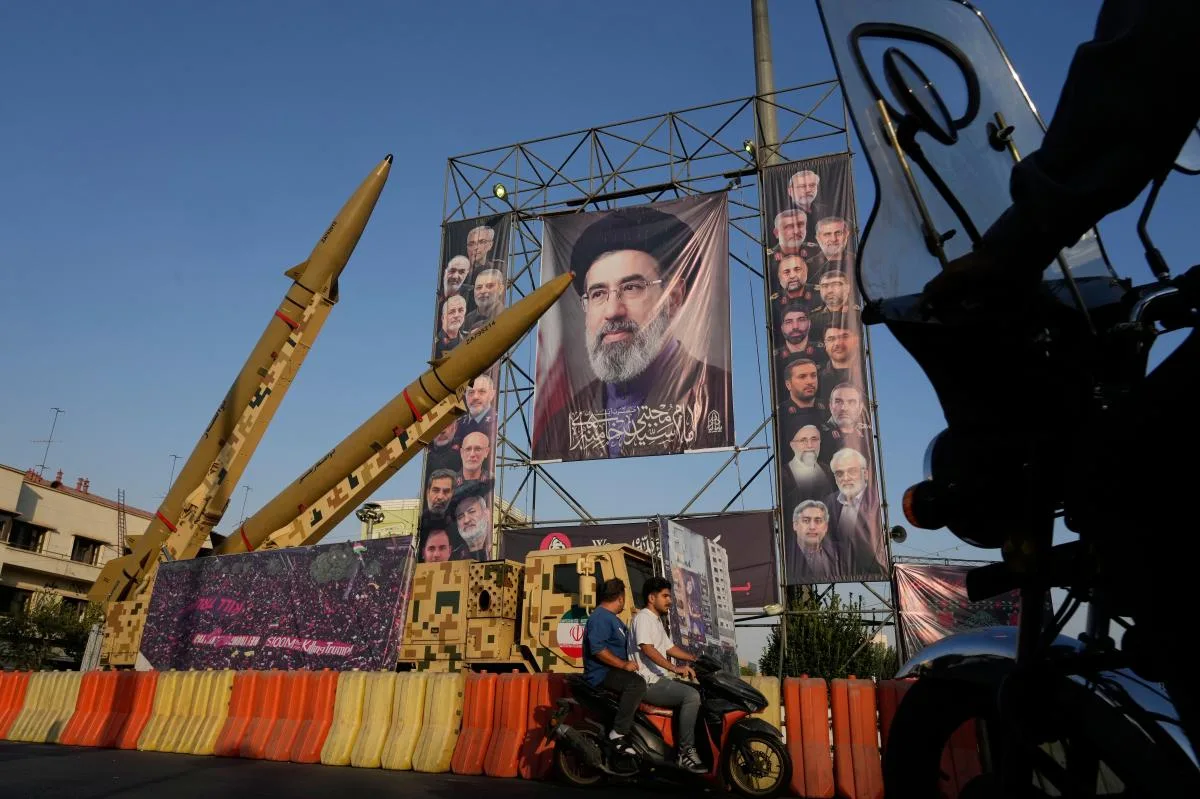
Iran has significantly advanced its nuclear program, signaling a bold push to rebuild capabilities despite international scrutiny and prior U.S. sanctions. The move marks a decisive shift away from previous diplomatic containment efforts, raising alarms over regional security and global nonproliferation commitments.
Recent reports indicate that Tehran has expanded uranium enrichment activities and increased stockpiles of nuclear material, a development that critics warn could shorten the timeline for potential weaponization. This progression tests the resolve of global powers and specifically challenges the non-engagement stance adopted after former U.S. leadership took a hard line on Iran’s nuclear ambitions.

The current situation places renewed pressure on policymakers to reconsider military and diplomatic strategies in preventing further escalation. Iran’s actions also complicate ongoing international negotiations aimed at reviving or replacing previous nuclear agreements, as the country appears willing to risk sanctions and potential strikes to assert its nuclear sovereignty.
Heightened rhetoric from Iranian leadership further underscores the defiance toward Western demands and cultivates an atmosphere of confrontation. This dynamic elevates concerns about triggering new conflicts in an already volatile Middle East region.