

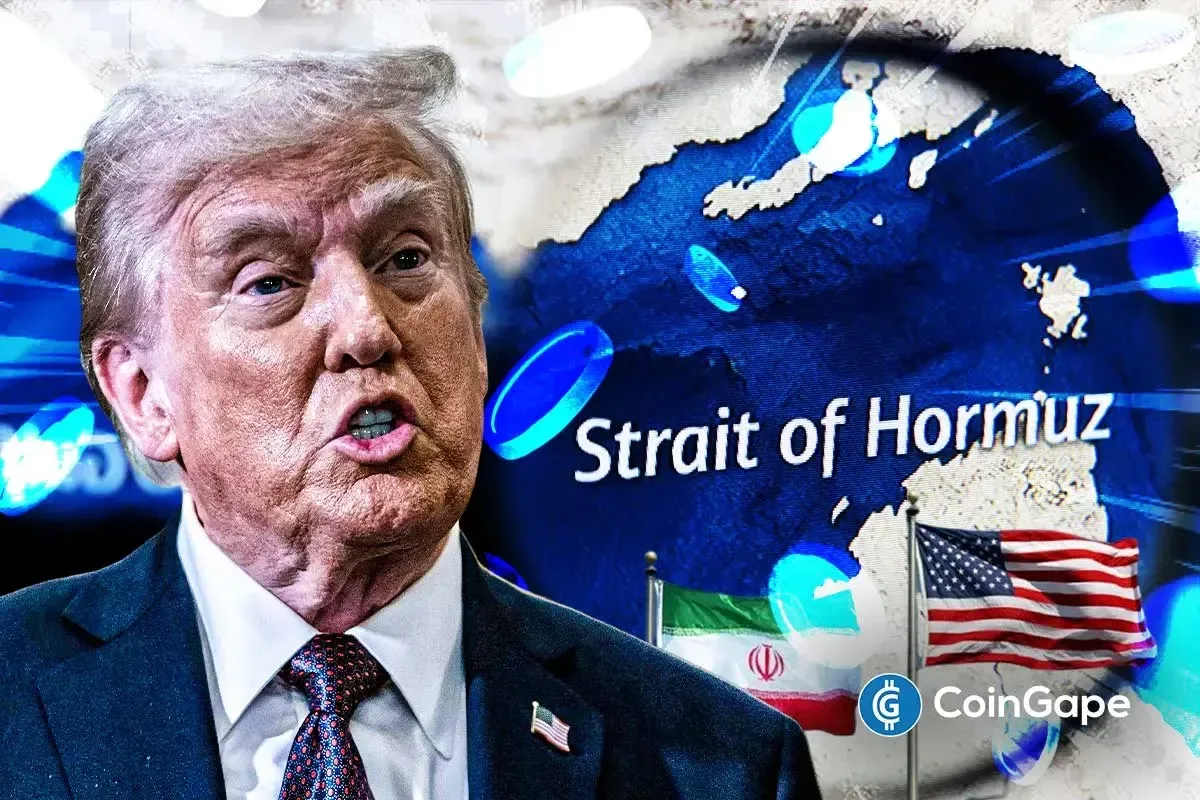
The United States has declared the reinstatement of a blockade targeting Iranian ships in the strategically vital Strait of Hormuz, a key chokepoint for global oil shipments. Alongside this move, the U.S. will impose a 20% cargo fee on all vessels it assists in navigating the waterway, aiming to cover the costs of maintaining security in this volatile region.
Despite the increased military posture, U.S. officials insist that the Strait of Hormuz remains open for all other nations, framing the American role as “THE GUARDIAN OF THE HORMUZ STRAIT.” The administration emphasized that cargo passing through will be subject to the new fee, reflecting the logistical and security expenses that have risen amid escalating tensions.

This announcement comes after a recent surge in hostilities between the U.S. and Iran. Iran’s Navy declared a closure of the Strait until further notice and has targeted multiple vessels, signaling an effort to tighten its control over this crucial maritime passage. These developments follow the U.S. decision to assert dominance in the Strait, reversing earlier arrangements and effectively imposing a toll similar to Iran’s previous proposals.
Market reactions have been swift, particularly in the cryptocurrency sector. Bitcoin prices have slipped from a recent peak above $64,000 to around $62,400, reflecting growing investor uncertainty amid fears the conflict will disrupt shipping and trade. Data from a prominent crypto prediction platform estimates only a low probability that traffic through the Strait will normalize by the end of August, a substantial drop from earlier optimistic assessments.
The escalation of conflict in the Strait of Hormuz—the passage responsible for a significant portion of the world’s oil transit—carries consequences far beyond regional disputes. The renewed blockade and imposed fees highlight the intersection of military strategy and economic leverage as both the U.S. and Iran vie for control over this critical maritime route.