

President Donald Trump indicated he might consider military action against Cuba, a drastic measure that previous U.S. administrations contemplated but never pursued. Speaking in the Oval Office during an environmental event, Trump stated that while earlier presidents debated intervention for decades, he appeared ready to take that step if necessary.
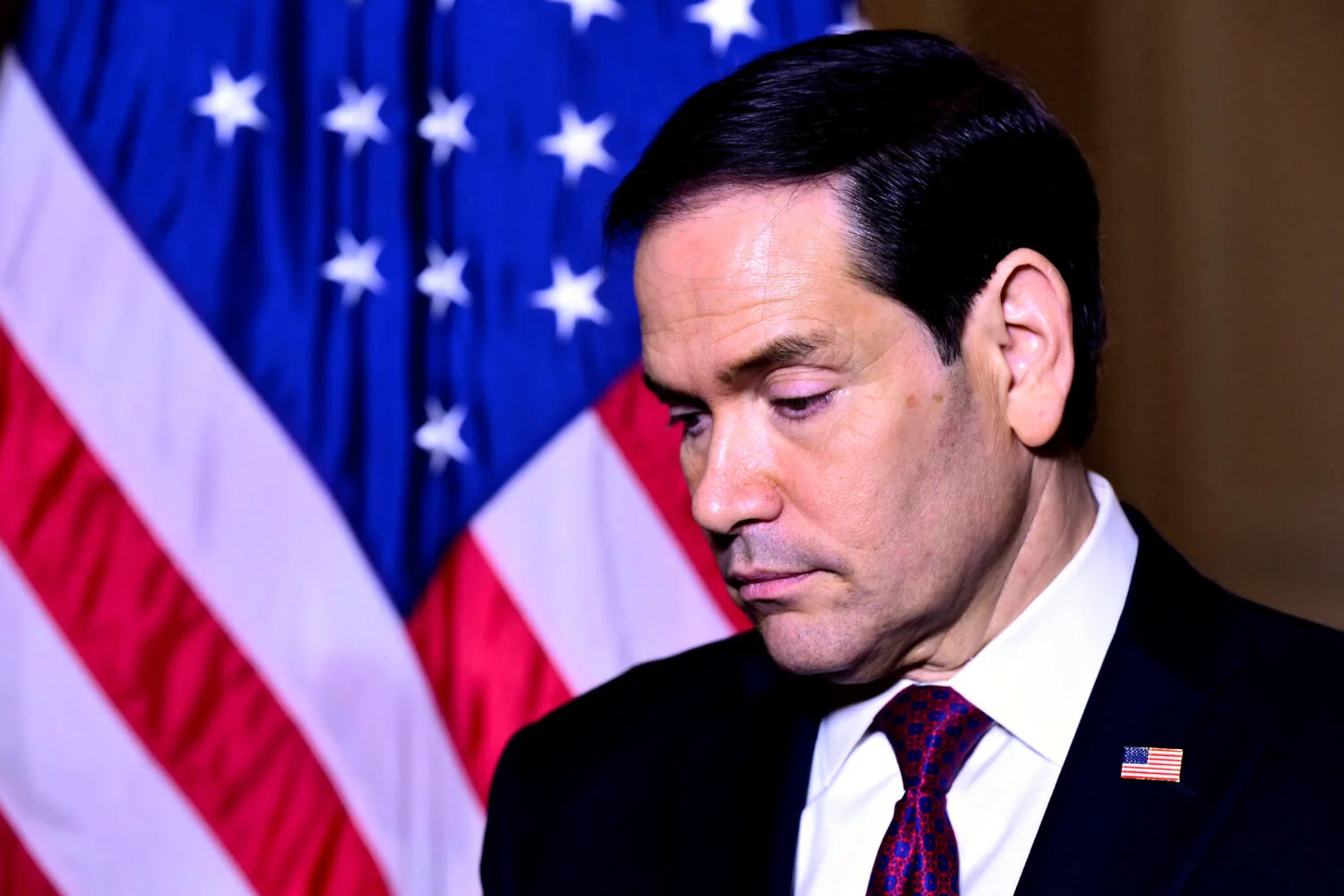
Despite this tough stance, Secretary of State Marco Rubio emphasized that the administration’s primary goal remains a peaceful resolution with the Cuban government. Rubio, known for his hardline views and Cuban heritage, highlighted the island’s longstanding role as a security threat due to its alliances with U.S. adversaries. Nevertheless, he expressed skepticism about the feasibility of diplomatic progress with the current Cuban leadership, describing chances of a negotiated settlement as low.

Recent months have seen senior U.S. officials, including Rubio and CIA Director John Ratcliffe, conduct talks with Cuban representatives to explore potential improvements in bilateral relations. However, these discussions yielded little optimism, prompting additional sanctions against Cuba. Rubio accused the Cuban regime of historically buying time to endure U.S. pressure but warned that Washington’s current approach is more determined.
The renewed threats come shortly after federal prosecutors announced criminal charges against former Cuban leader Raúl Castro. The secret indictment accuses Castro of ordering the 1996 shootdown of civilian planes operated by Miami-based exiles, charging him with murder and destruction of aircraft. The Cuban government, led by President Miguel Díaz-Canel, dismissed the indictment as a politically motivated act aimed at justifying U.S. hostility.
When pressed on whether the United States might employ force to alter Cuba’s political landscape, Rubio reiterated that diplomacy remains the preferred avenue but affirmed the president’s authority to take any necessary actions to protect national interests. He rejected comparisons to nation-building, framing the issue squarely as addressing a tangible security threat posed by Cuba.