

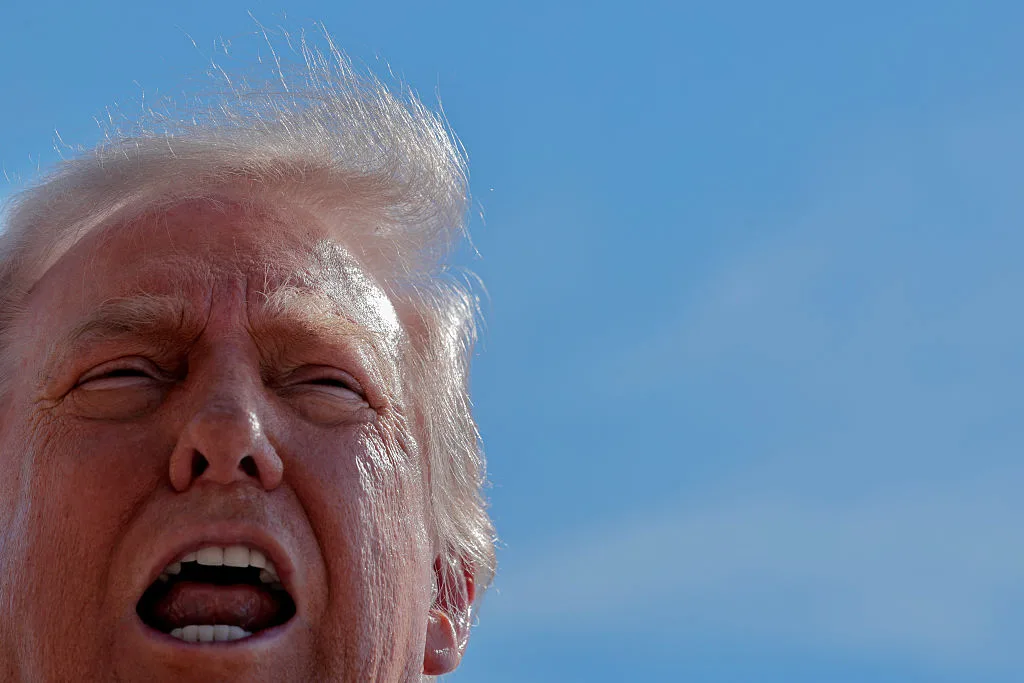
The Trump-led Department of Justice has set up a controversial $1.7 billion fund designed to compensate individuals convicted for their roles in the January 6 Capitol attack. This initiative, framed as an “Anti-Weaponization Fund,” aims to provide restitution to those the administration claims have been unfairly targeted by federal authorities during Joe Biden’s presidency.
The creation of this fund followed a series of unusual legal maneuvers. Trump filed a $10 billion lawsuit against the federal government, including the IRS and Treasury, challenging the leaking of his tax returns amid FBI investigations. A federal judge questioned whether Trump, effectively the head of the federal government, could sue his own administration, highlighting doubts about the legitimacy of the case. Responding to judicial skepticism, Trump withdrew the suit.

In connection with the lawsuit’s dismissal, the Justice Department announced that Trump and his co-plaintiffs agreed to drop claims related to the 2022 Mar-a-Lago search and the Russia collusion probe. In return, the DOJ established the reparations fund, which it said would develop a “systematic process” to review and address claims from individuals who, according to the department, “suffered weaponization and lawfare.”
The fund’s framing and justification have drawn sharp criticism. Critics argue it effectively acts as state-sponsored reparations for individuals convicted of attempting to overturn the government, challenging standard legal and ethical boundaries. Supporters within Trump’s circle portray it as a corrective measure against political persecution under the Biden administration. This initiative reflects broader tensions over how the January 6 events and their aftermath are politically and legally contested.
Legal experts have noted the unprecedented nature of such reparations for convicted insurrectionists and question the implications for the separation of powers and accountability, especially given the DOJ’s role in both prosecuting these cases and now providing compensation. The fund’s creation also touches on complex issues of government funding, political influence, and the narrative battle surrounding January 6.