

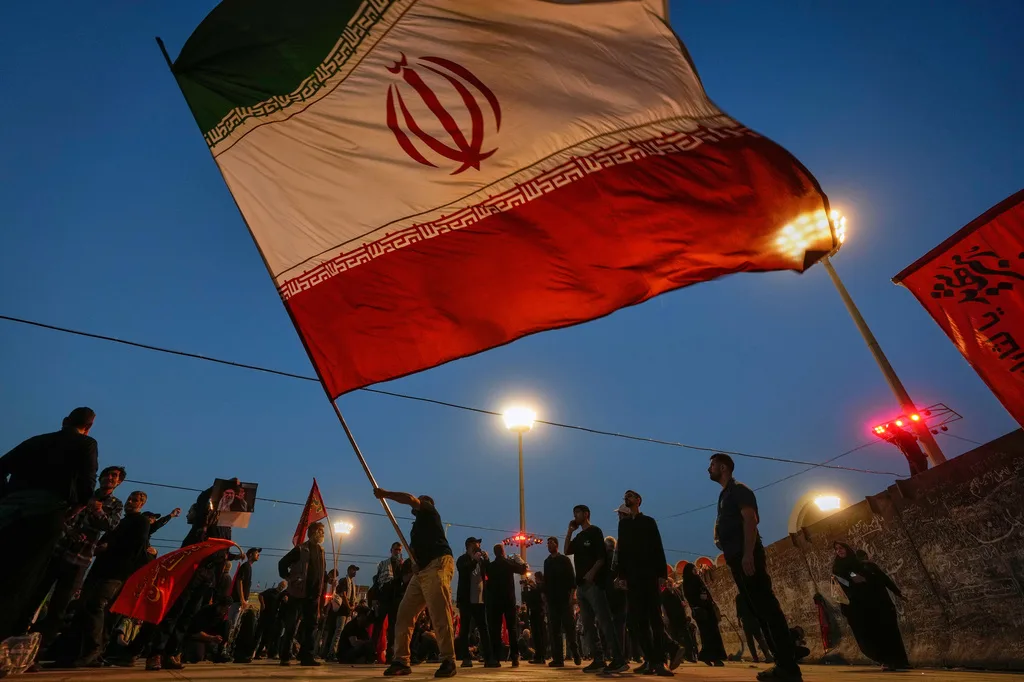
A series of airstrikes targeted multiple locations in southern Iran just as the country was preparing for the funeral of its late Supreme Leader Ayatollah Ali Khamenei. These attacks came shortly after the United States Central Command announced it had completed its recent campaign, striking approximately 90 targets in Iran.
Despite the timing, the new wave of strikes was not claimed by any state or group, intensifying questions about who launched them. Iranian officials have withheld direct accusations but warned the United Arab Emirates over alleged support to the US efforts against Iran. Gulf Arab states, which have frequently experienced Iranian retaliatory actions since hostilities escalated, have not issued public responses regarding the latest attacks.

The renewed strikes coincide with heightened tensions over control of the Strait of Hormuz, a vital maritime corridor through which nearly a fifth of global oil and gas shipments transit. Iran asserts exclusive sovereignty over the waterway, demanding fees for passage, clashing with longstanding international recognition of the strait as open international waters. The conflict's impact on the strait has previously triggered global energy price spikes, though oil prices have since stabilized below peak wartime levels.
Following the unexplained airstrikes, Iran launched a broader missile campaign across the Middle East, striking Bahrain, Jordan, Kuwait, and Qatar. Missile alert sirens forced civilians in these countries to seek shelter, and limited injuries were reported. The United Arab Emirates' leader traveled to Kuwait immediately to coordinate responses, while Gulf states intensified diplomatic engagement, including consultations with Qatar’s foreign minister, who plays a role in mediation efforts between Iran and the US aimed at preserving a fragile interim agreement.
In the past, during the ongoing conflict, unclaimed attacks have occasionally been later attributed to Gulf countries such as Saudi Arabia and the UAE, following Iranian strikes on their territories. However, no official party has yet acknowledged responsibility for the most recent airstrikes on Iranian soil. The uncertainty complicates the dynamics of the war and the fragile regional diplomacy surrounding it.