

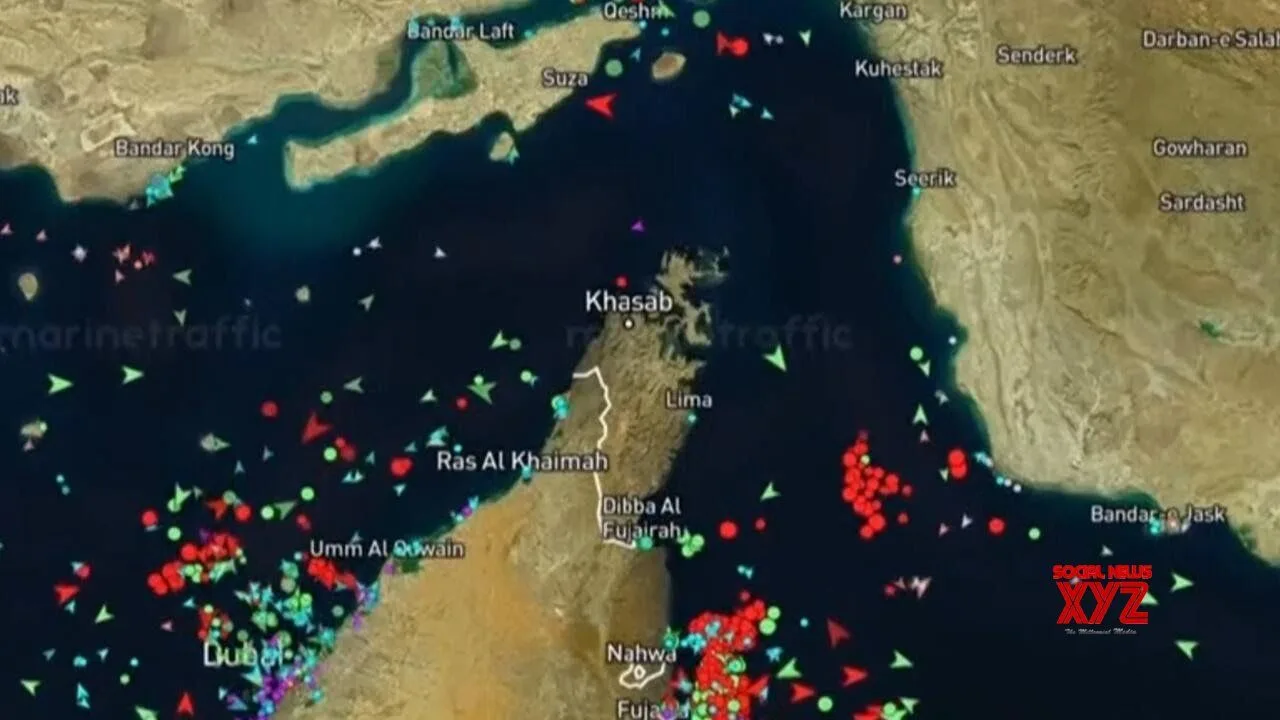
The United States resumed its naval blockade against Iran this week, intensifying its military presence in the region alongside newly launched airstrikes. This move marks a significant escalation in ongoing tensions and signals a firm stance against Iranian activities that Washington deems threatening.
The blockade aims to restrict maritime traffic and economic resources reaching Iranian ports, potentially limiting the country’s ability to move goods and military supplies. Alongside this, U.S. forces carried out targeted airstrikes designed to degrade Iran’s strategic capabilities and infrastructure.

Retired military analysts suggest these actions form part of a broader strategy to pressure Iran into compliance with international norms and to disrupt its regional influence. The blockade and air raids come amid complex geopolitical dynamics involving Iran’s nuclear program and proxy conflicts across the Middle East.
The naval blockade involves patrolling key waterways and intercepting vessels suspected of carrying contraband or weapons. Airstrikes reportedly focused on military installations and supply routes that facilitate Tehran’s regional operations.
This recent escalation follows a period of heightened diplomatic strain and sets the stage for potential further military engagements. The U.S. administration has kept open channels for negotiation while maintaining pressure through these forceful measures.