

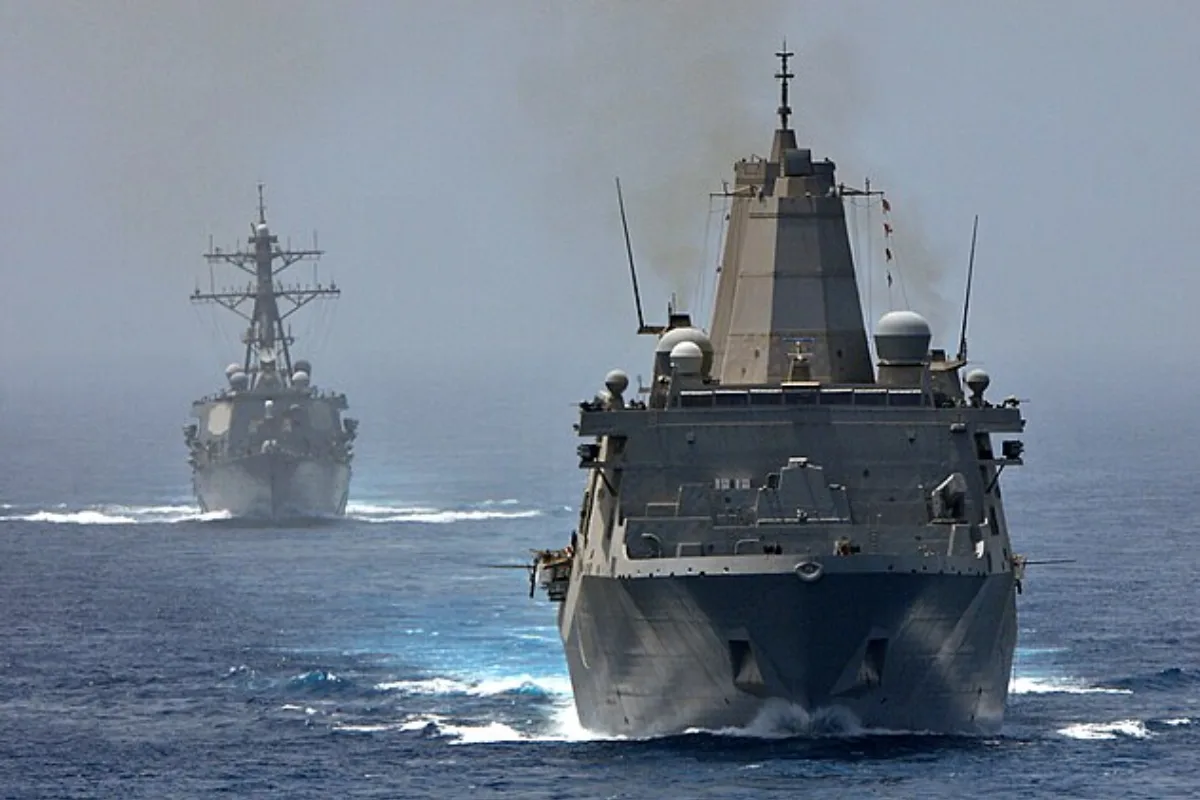
Recent U.S. and Iranian military confrontations underline persistent tensions even as diplomatic talks continue without decisive breakthroughs. The U.S. intercepted four Iranian drones deemed threatening and struck a ground control station near Bandar Abbas, a strategic location close to the Strait of Hormuz critical for global shipping routes.
These incidents followed attempts by U.S. naval vessels to cross the Strait without Tehran’s permission, leading to a quick Iranian retaliatory strike targeting a U.S. airbase. Although specifics on the airbase’s location remain unconfirmed, regional reports indicate Kuwait suffered missile and drone attacks linked to these escalations.

Officials on both sides have downplayed the new confrontations as limited, emphasizing they do not signal a return to large-scale combat. Meanwhile, diplomatic discussions persist under a veil of caution and contradictory signals.
President Donald Trump clarified that no final agreement has been reached, rejecting speculative timelines or pressure stemming from disruptions to the Strait of Hormuz’s commercial traffic. The White House also publicly refuted a leaked memorandum of understanding circulated by Iranian state media, labeling it a fabrication. This draft reportedly involved a phased restoration of shipping through the Strait, withdrawal of U.S. troops from nearby waters, and a cooperative management role for Iran in conjunction with Oman.
According to reports, the proposed framework excludes military vessels and remains tentatively structured, with any finalized deal potentially advancing to the United Nations Security Council for binding resolution within two months. However, the lack of official confirmation and ongoing military skirmishes cast doubt on an imminent resolution to the conflict.