

The fragile ceasefire aimed at halting hostilities in the Middle East is under severe strain after a new wave of attacks between the United States and Iran. Recent US airstrikes on Iranian targets triggered retaliatory missile and drone strikes against US allies in the region, notably hitting Bahrain, Kuwait, Qatar, and Jordan.
Sirens sounded repeatedly across Bahrain, home to the US Navy’s 5th Fleet, signaling incoming missile attacks. Kuwait faced a barrage that included ballistic missiles, cruise missiles, and drones, with debris injuring at least one person. Jordan also reported missile alerts and intercepted Iranian projectiles fired by the paramilitary Revolutionary Guard. Qatar came under missile threat, though damage reports remain unclear.

Iran accused the US of targeting areas near its sole nuclear power plant in a separate airstrike, sparking multiple explosions across the country. The Iranian Health Ministry reported casualties from the American bombings over two days, confirming that at least fourteen people—mostly military personnel—were killed and dozens more wounded. The ongoing military exchanges have rapidly eroded hopes of lasting peace, as US leadership warned that Tehran’s recent attacks on commercial ships near the Strait of Hormuz effectively ended the ceasefire.
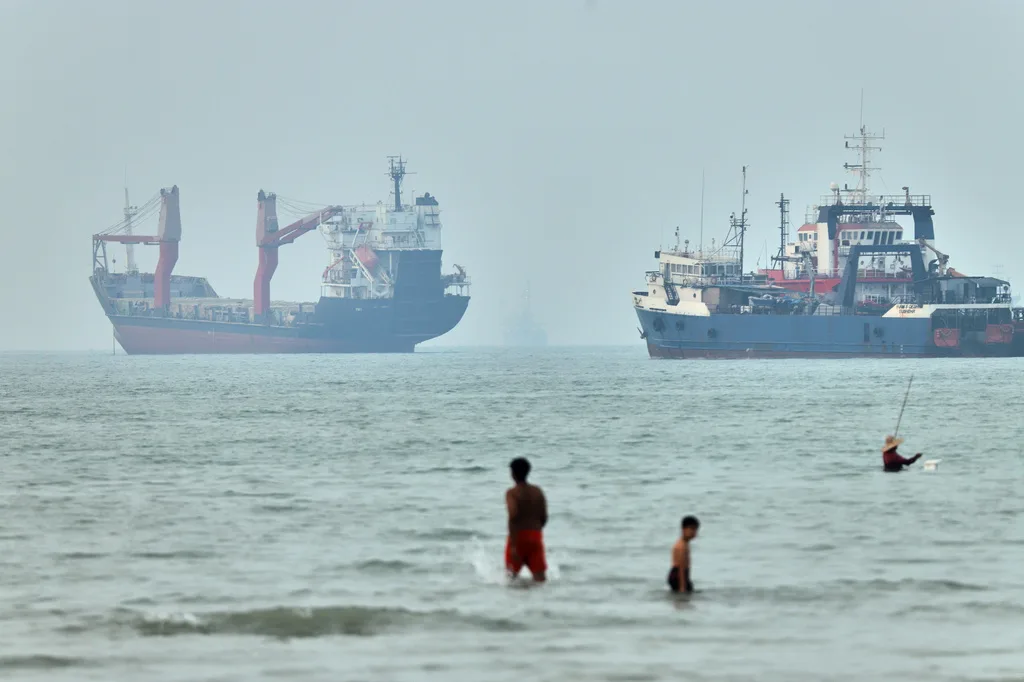
The Strait of Hormuz is a vital global shipping lane for energy exports, and any intensification of conflict in the area risks disrupting international oil supplies with far-reaching economic consequences. The US Central Command reported striking approximately ninety targets in Iran during its latest offensive, underscoring the significant escalation in military operations.
The latest round of attacks highlights the precarious nature of the regional security environment, where tit-for-tat actions could ignite wider conflict involving multiple countries. Both sides remain entrenched, and the cycle of violence threatens to undo diplomatic efforts aimed at restoring stability and preventing further bloodshed in one of the world’s most volatile regions.