

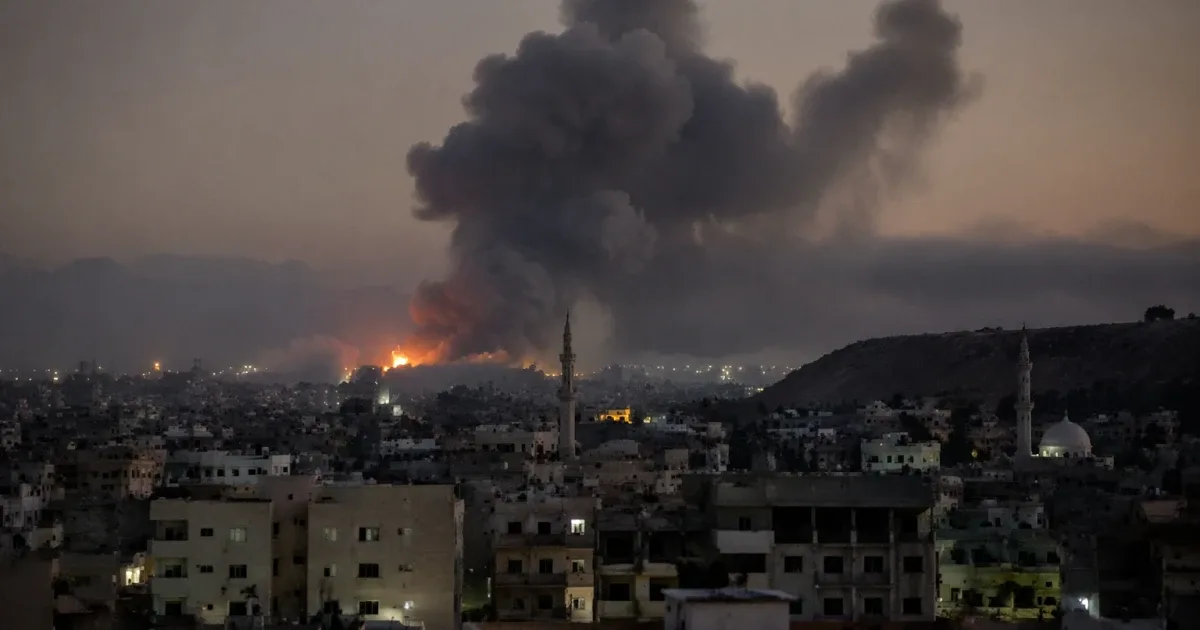
The United States launched airstrikes against nearly 90 targets inside Iran, including missile launchers and an airport runway, aiming to undermine Iran’s ability to disrupt navigation through the Strait of Hormuz. This strategic waterway handles about one-fifth of global oil and natural gas trade, making its security critical to international energy markets. The strikes resulted in significant casualties, with Iranian officials reporting at least 14 deaths and dozens wounded.
In retaliation, Iran fired missiles and deployed drones across multiple Gulf countries, including Bahrain, Kuwait, Qatar, and Jordan. These attacks triggered multiple air defense responses; Kuwait’s military intercepted ballistic and cruise missiles along with several drones, although debris injured one civilian. Bahrain and Jordan likewise activated intercept systems, with Bahrain sounding alerts multiple times. The strikes caused explosions in several Iranian cities, including Bushehr and Mashhad, and an Iranian official accused the United States of targeting areas near its sole nuclear power plant, further escalating tensions.

This acute military exchange risks collapsing a delicate ceasefire that had opened a 60-day period for indirect negotiations, mediated by Pakistan, toward a longer-term agreement. Talks held in Qatar recently concluded without progress, and U.S. officials signaled an end to the truce after Iranian attacks on shipping in the Strait of Hormuz. The ongoing confrontations have already disrupted shipping routes and contributed to rising oil prices globally.